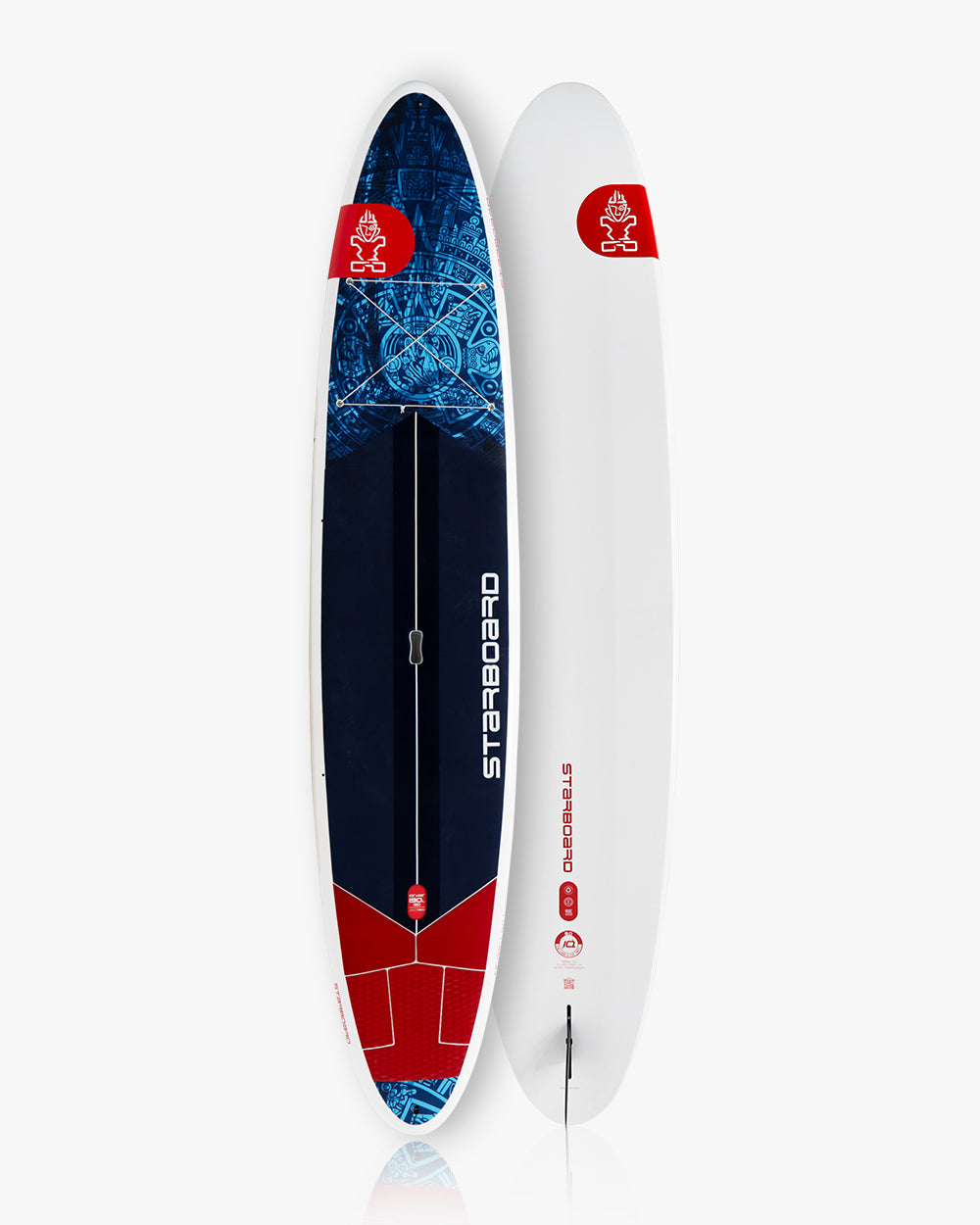
Starboard Brand Review: SUP, Windsurfing and Foils — 200 Products
Starboard came out of windsurfing and became the leading name in SUP. The range: inflatable and hard boards, paddles, fins, wings and windfoils — and who the brand suits.
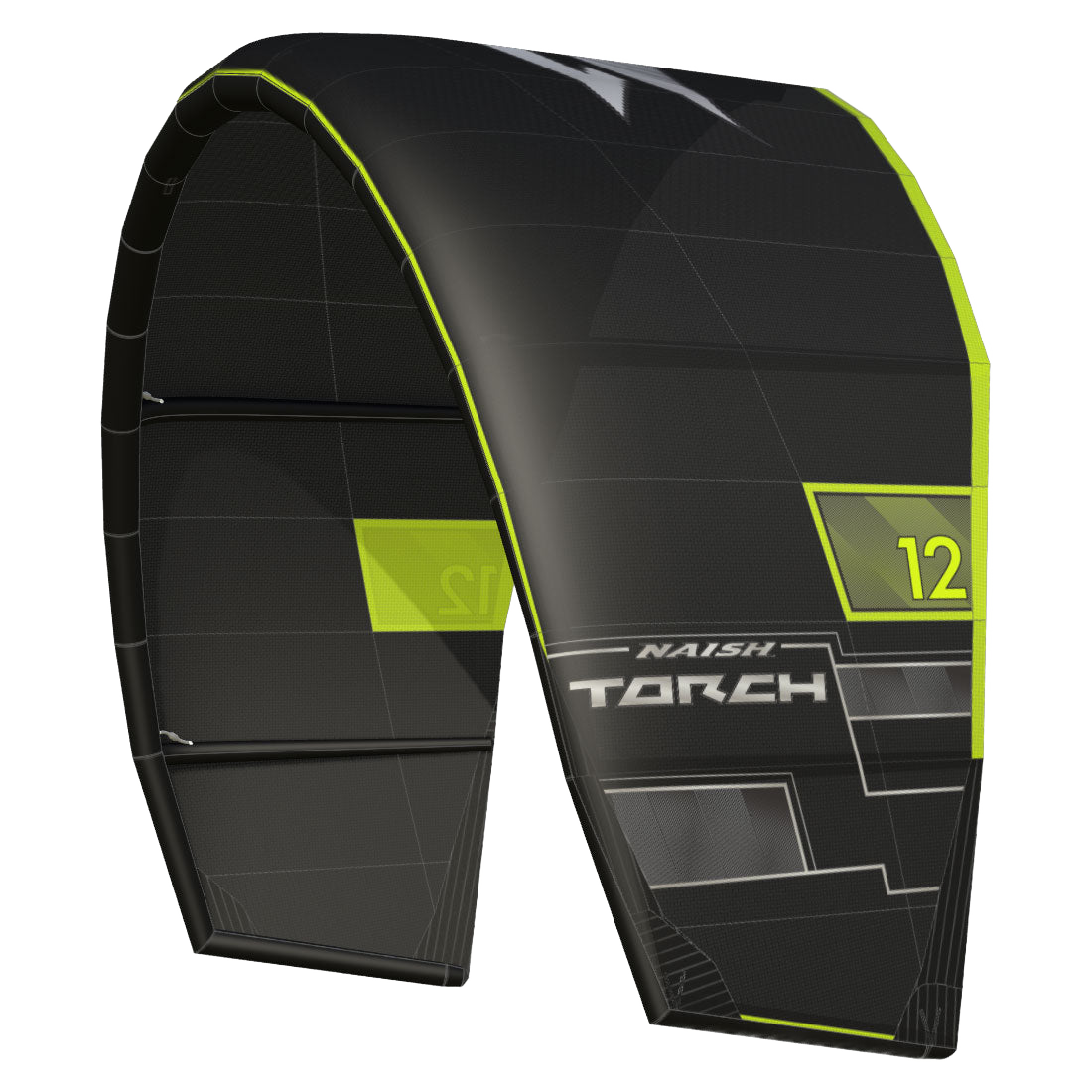
Naish Torch Review: Freestyle and Slack in Pure Form
The Torch is Naish's freestyle model and the brand's narrowest specialisation. What slack is, why a freestyle kite is awkward on freeride, and who actually needs one.
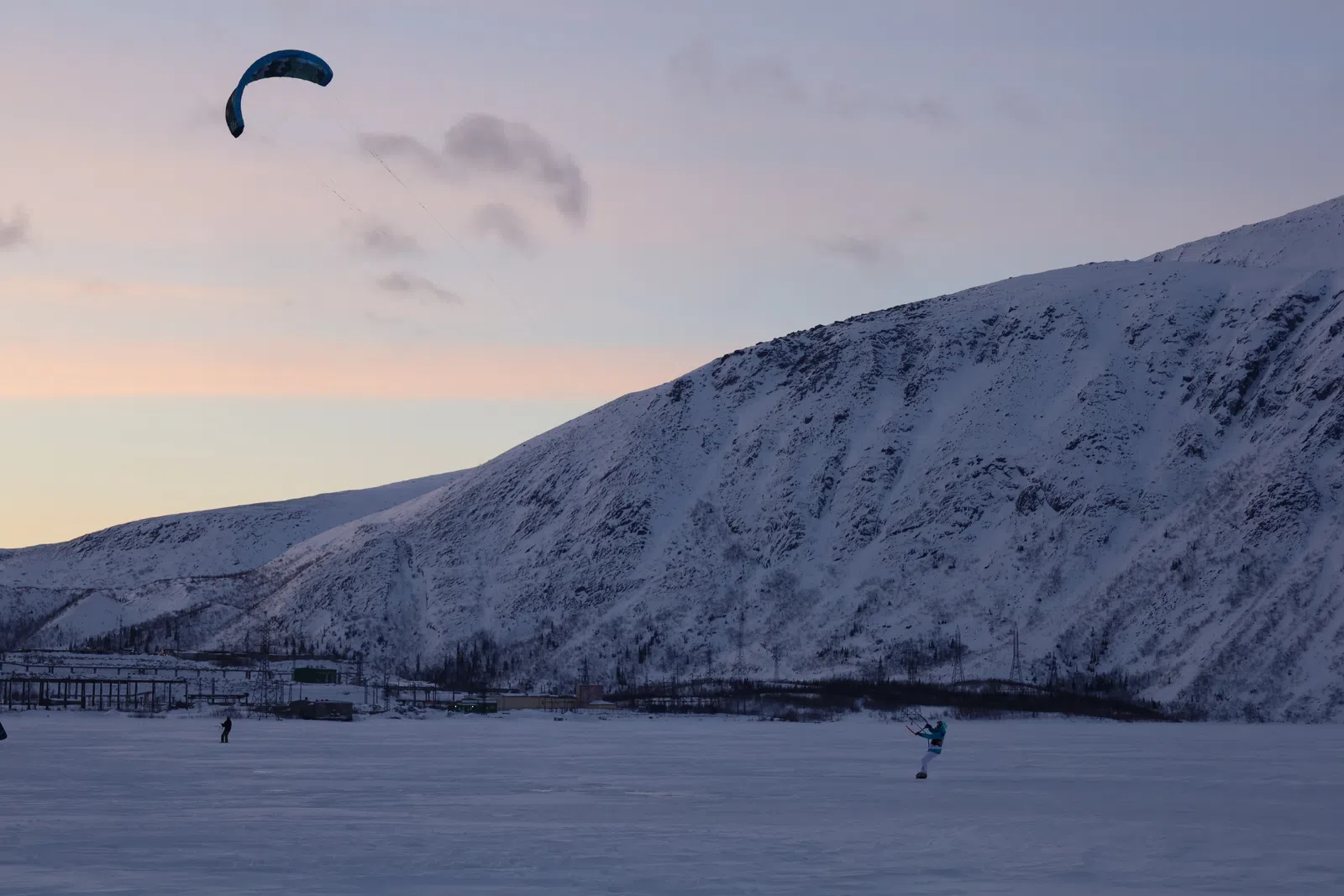
Naish vs Core: A Wide Range or One Refined Kite
Naish runs seven kite models and thirteen boards; Core runs one kite in eleven sizes. What each approach gives the buyer, and when the narrow range wins.
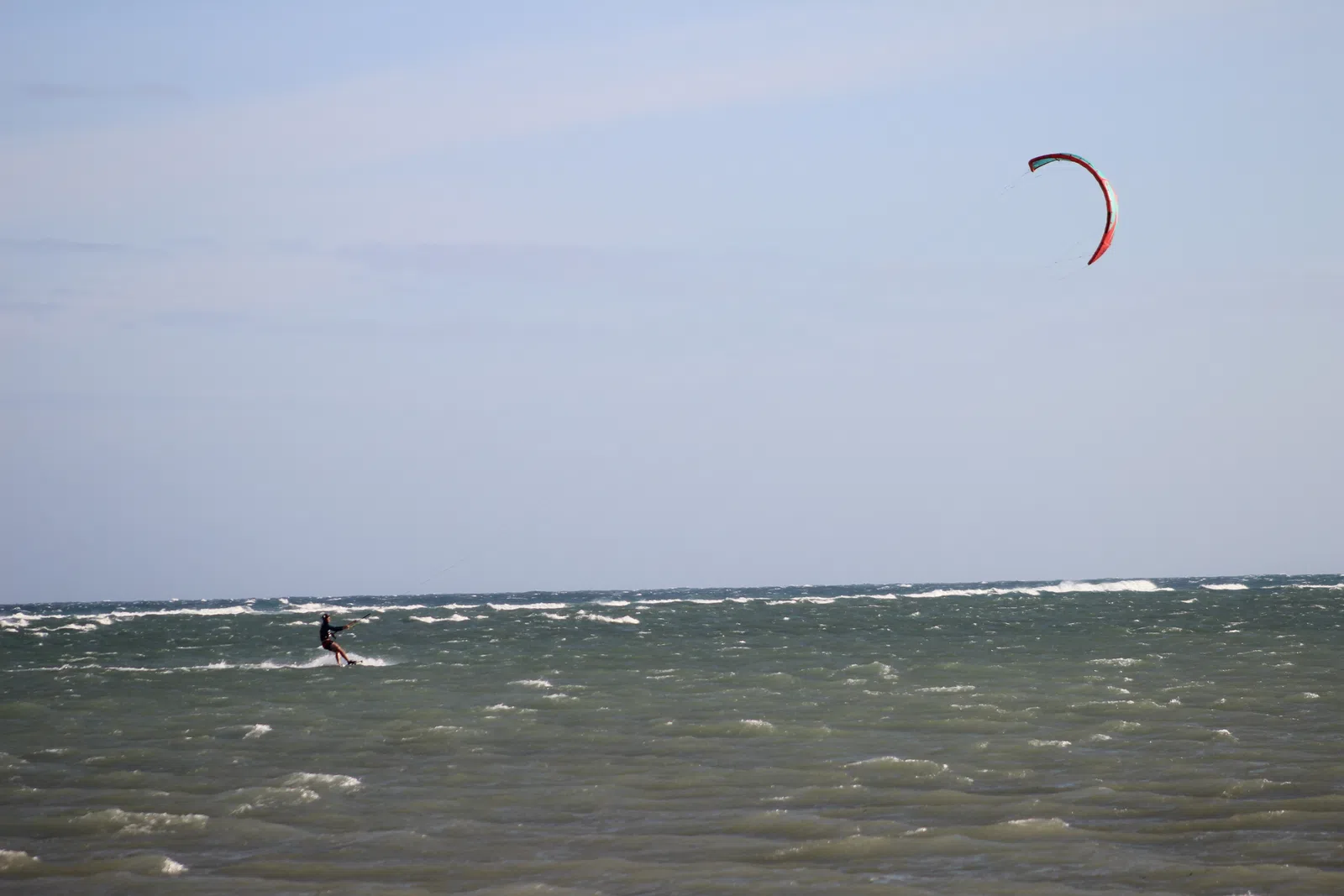
Naish Kite Foil Semi Complete: A Kite Foil Package from 424 Euros
Semi Complete is a full foil without a board, in three front wing areas. What is included, how 650 differs from 980 cm², and why 'semi' does not mean stripped down.

Naish Hover: Thirteen Foil Boards in One Range
Hover is Naish's foil branch, with thirteen positions across disciplines and levels. How to read a range like that, and the three parameters that decide a foil board.
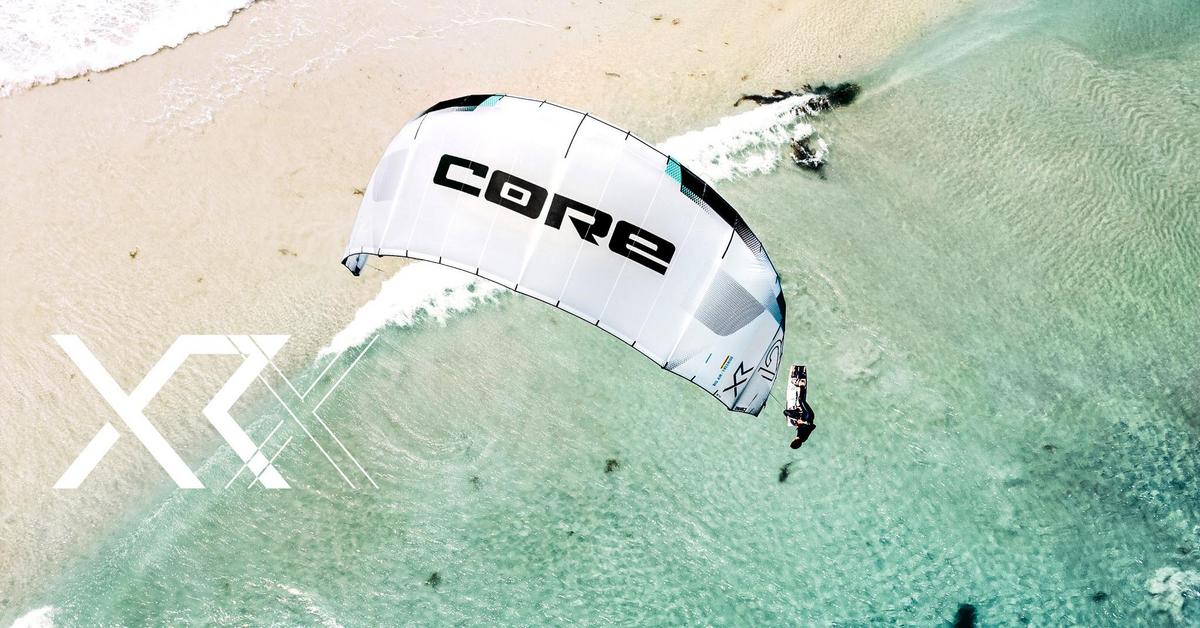
Core Brand Review: German Engineering and One Kite Instead of a Range
Core builds kites in Germany and keeps a very narrow range. The XR8 in eleven sizes, the Badger and 720 surfboards, and how the German approach differs from the French and Hawaiian ones.
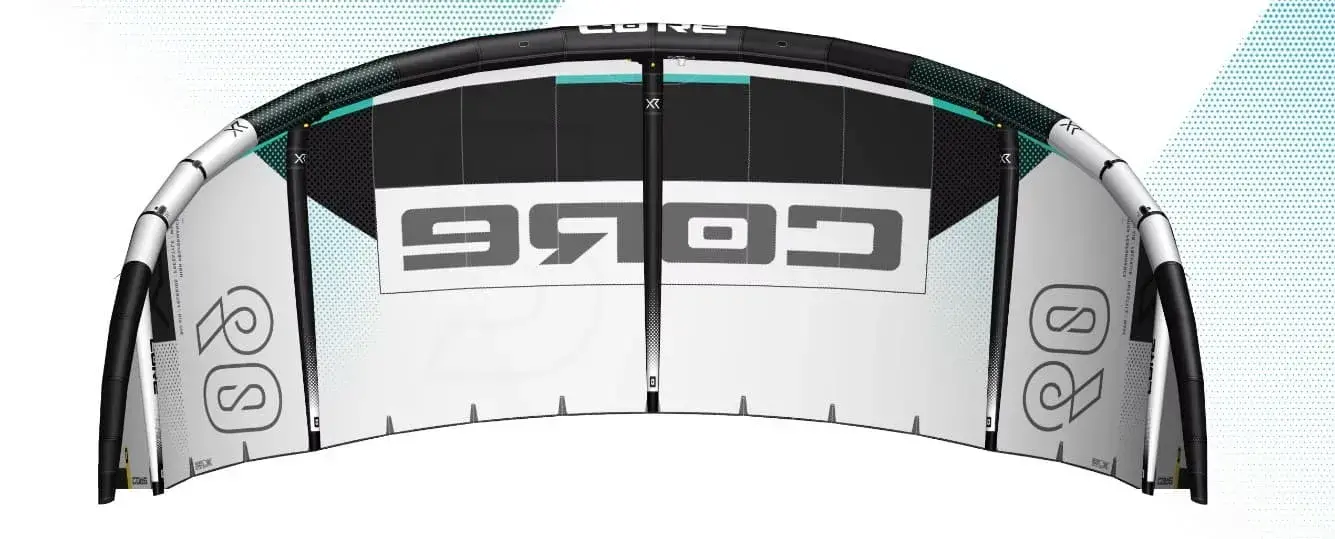
Core XR8 Review: Eleven Sizes and an Eighth Generation
The XR8 is Core's only kite in our catalogue and the eighth generation of the model. Sizes 5 to 17 m, from 1,879 €. What an eighth version means, and why one kite must do everything.
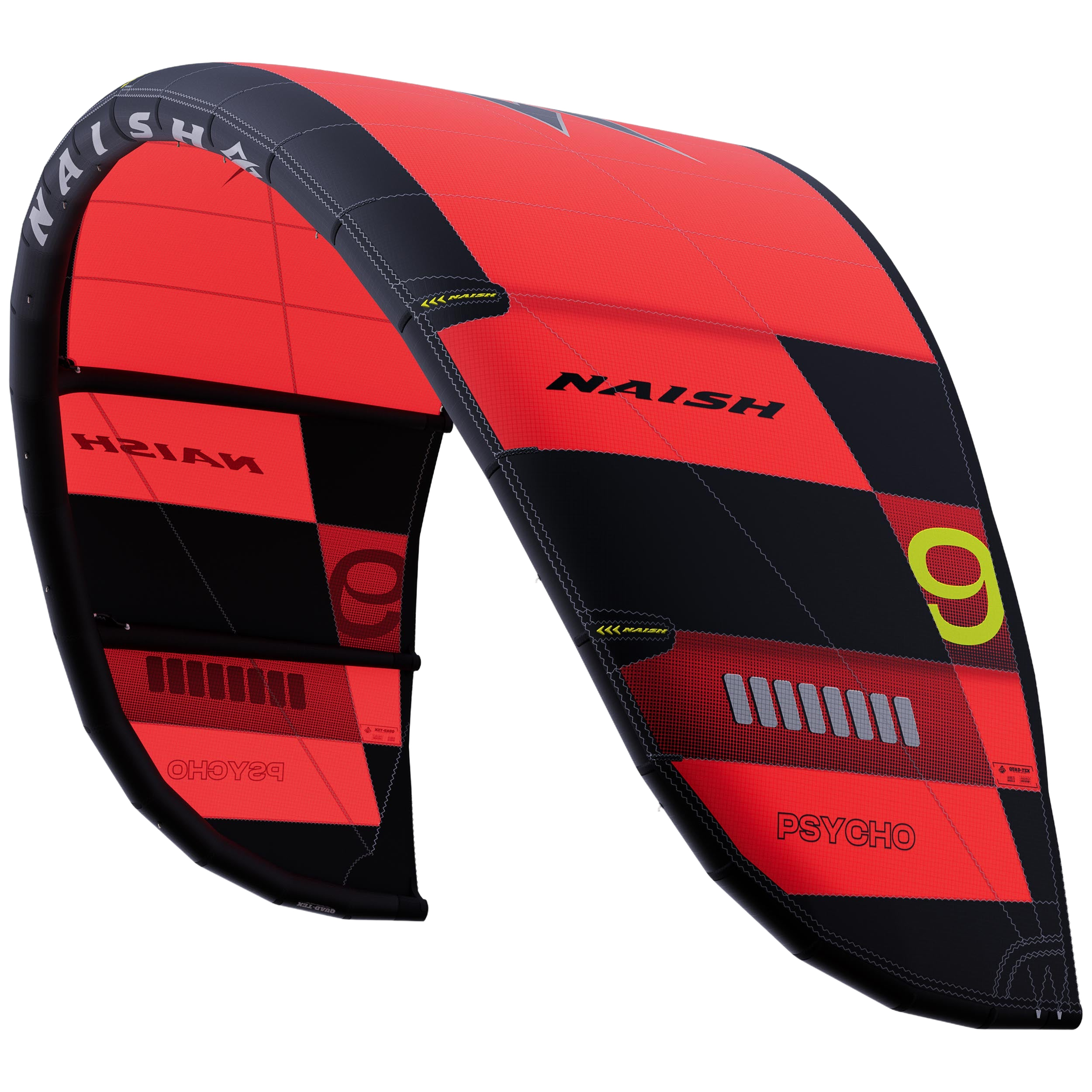
Naish Psycho Review: High Jumps and Progression in One Stated Purpose
The Psycho is stated for high jumps and progression after lessons — an unusual pairing for a big-air kite. How that works, and how it differs from the Pivot within the range.
Naish Pivot vs Ozone Reo: Two Views of a Wave Kite
The Pivot is stated as freeride plus waves, the Reo as pure wave. How an all-rounder with a wave bias differs from a specialist, and who should buy which.
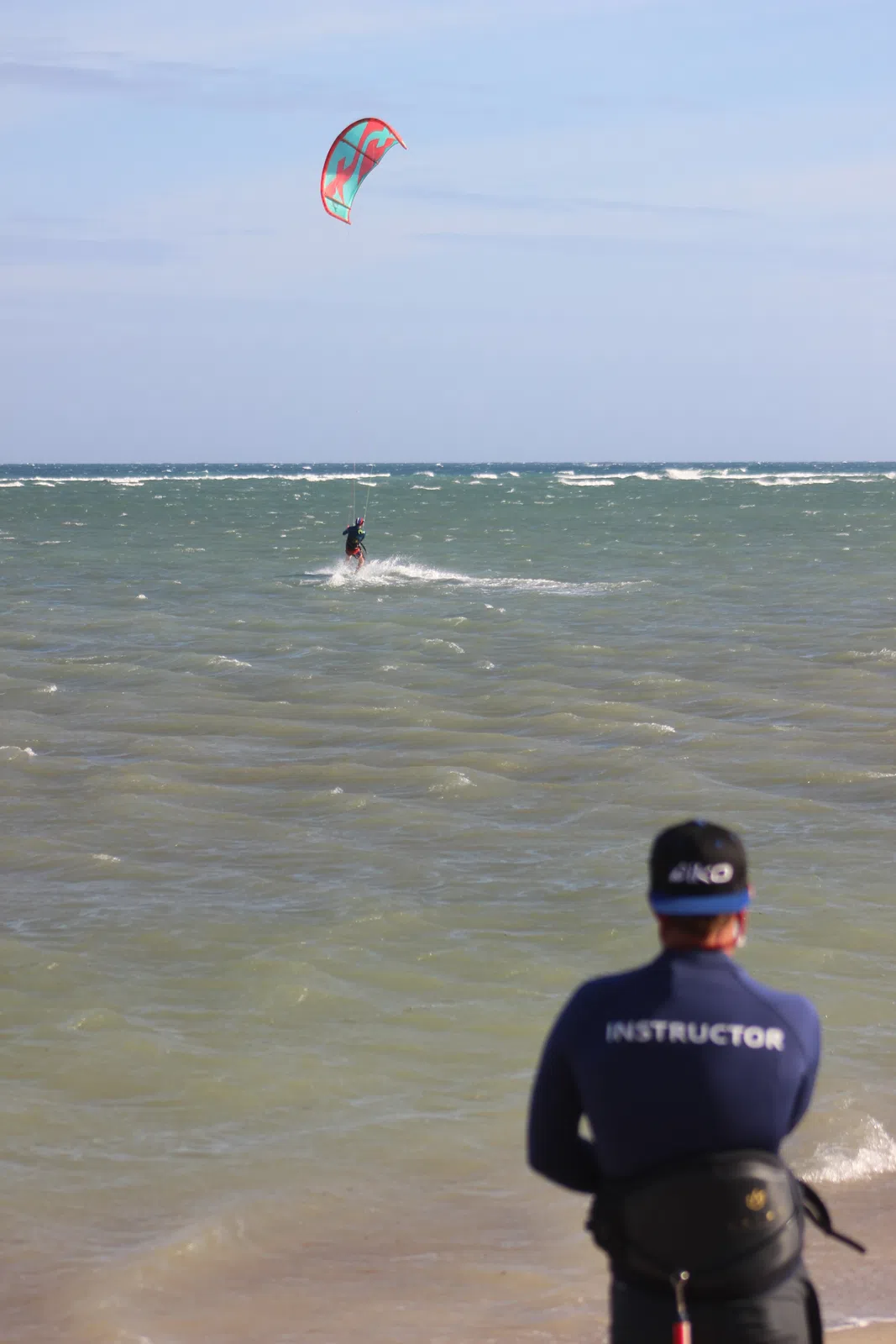
Five Versions of the Naish Pivot: 1,225 to 2,451 Euros for One Model
The Pivot exists as base, Q Series, LTD, NVision and LW. How they differ in stated purpose and price, and which to buy — the spread within one model is twofold.
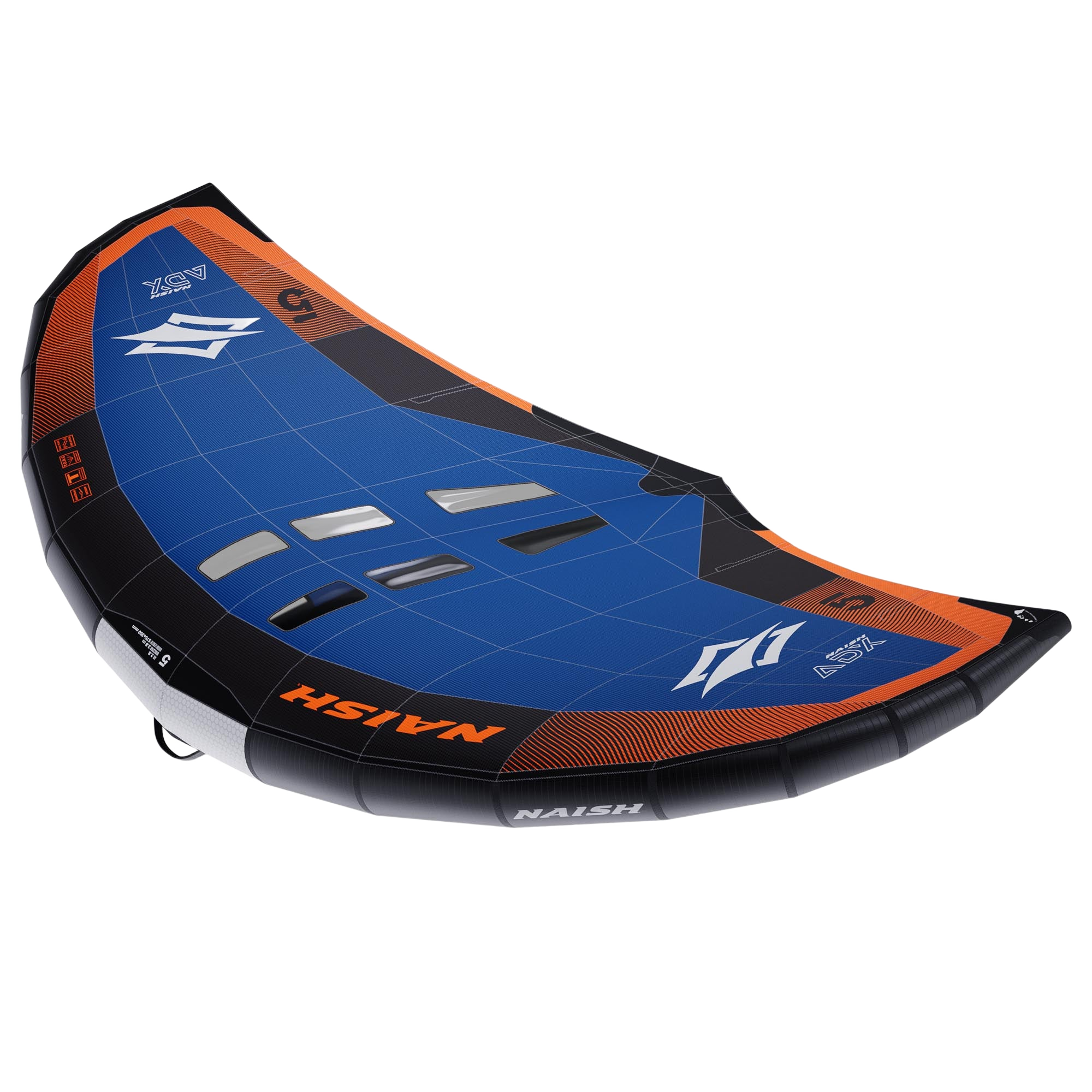
Naish Brand Review: From Windsurfing to Foils, Half a Century on the Water
Naish began with Robby Naish's windsurfing and today offers the widest foil range in our catalogue. 124 items. The Pivot, Boxer and Psycho kites, the Hover boards, and what Q Series, LTD and NVision mean.

Naish Pivot 2026 Review: Why It Is Named After a Turn
The Pivot is Naish's core model and a wave-riding benchmark. Eight sizes from 6 to 14 m, from 1,225 €. What the name refers to, and who it suits better than a dedicated wave kite.

Naish Boxer Review: From 2.8 to 16 Metres in One Range
The Boxer covers a span most brands split across three models. Why a 2.8 m exists, what a 16 m does, and how to pick a pair from a range that wide.
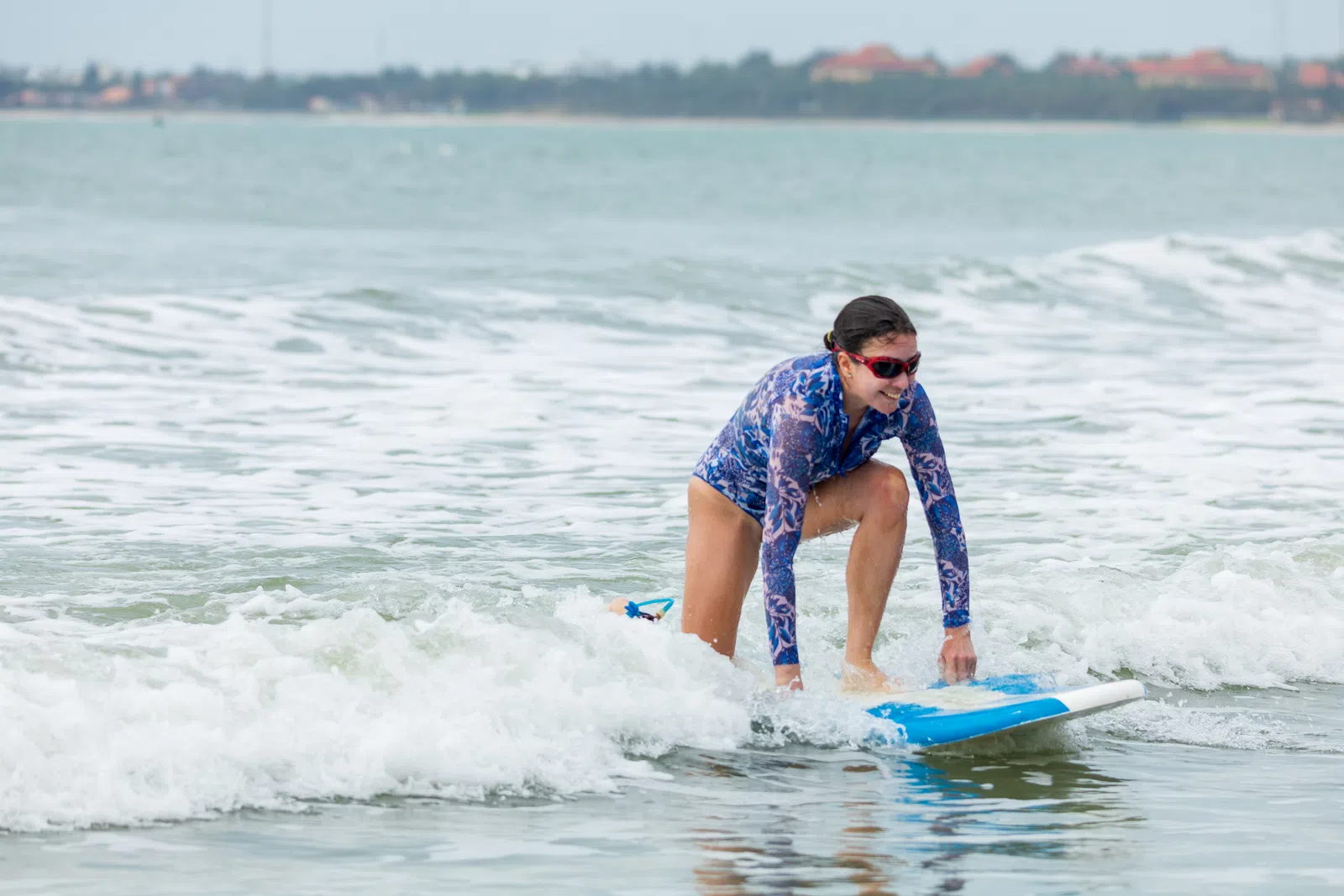
Three Wave Boards: F-One Mitu Pro, Duotone Whip and F-One Keahi Pro
A directional kiteboard is its own world with its own rules. Three models compared on volume, price and character — and how a kite wave board differs from a surfboard.
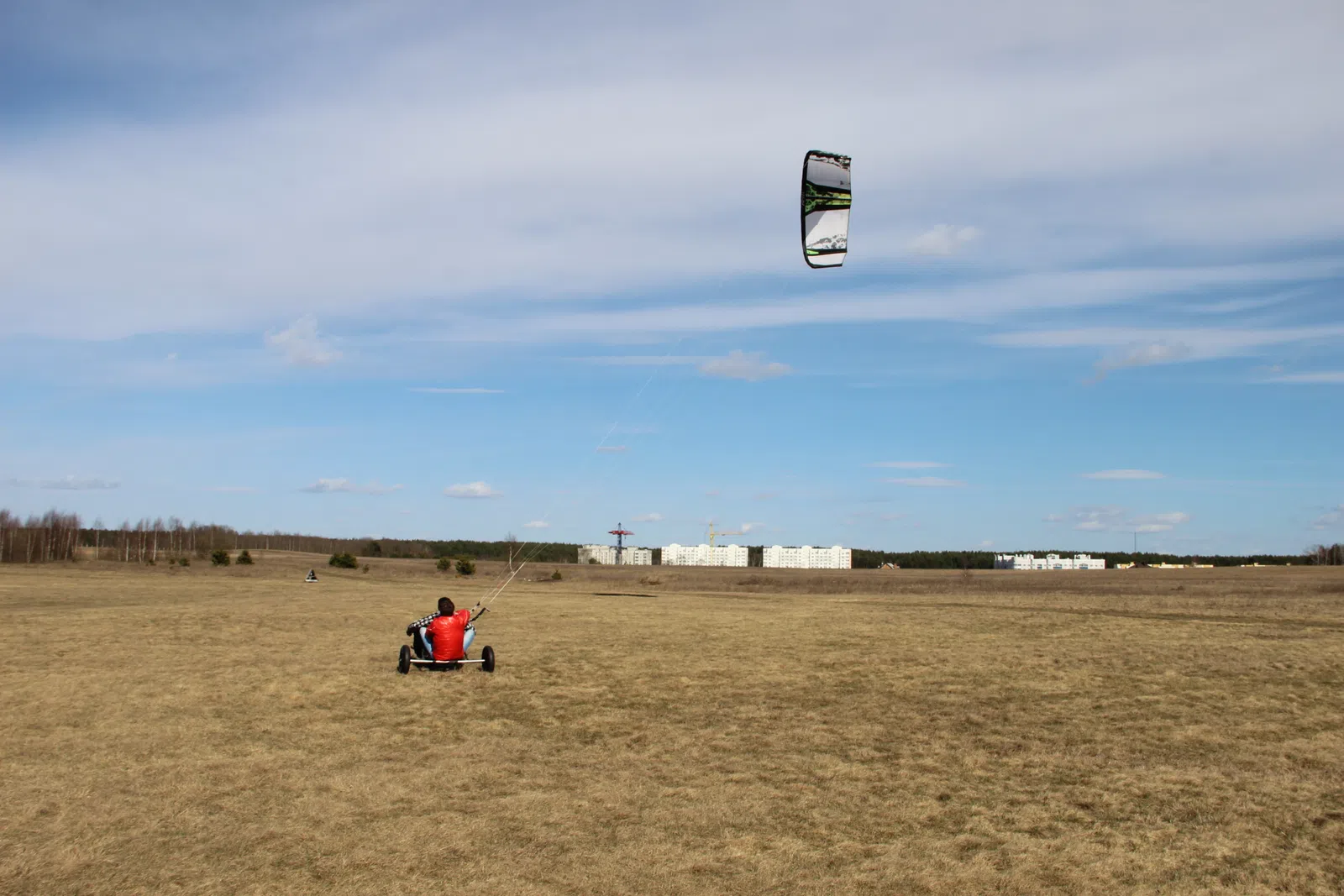
F-One Mitu Pro Bamboo Review: 20 Litres, and Why That Is Right
The Mitu Pro is F-One's most affordable wave board: five sizes, from 20.5 l and 2.81 kg. Why a kite directional carries less volume than a surfboard.
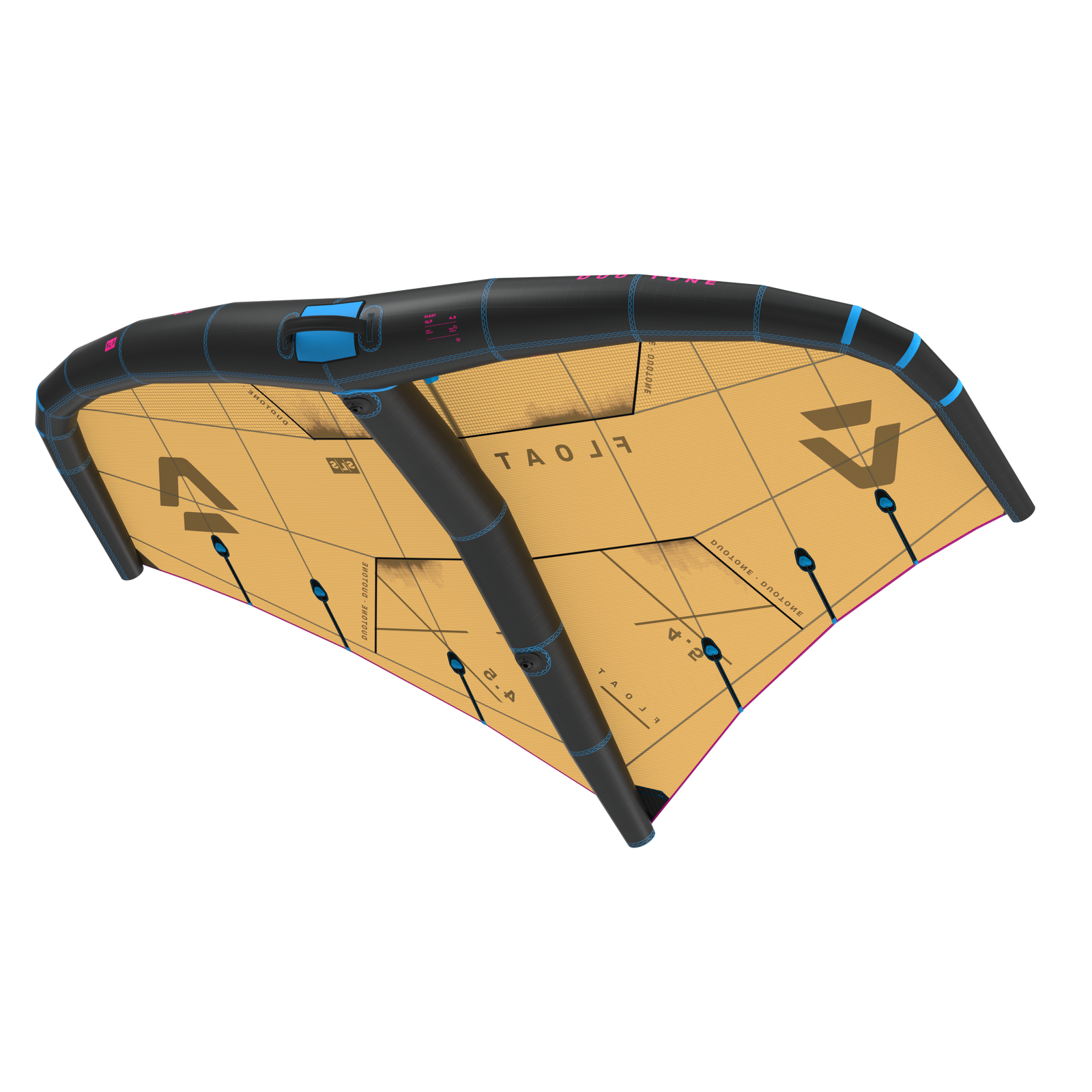
Duotone Brand Review: Three Constructions per Model
Duotone organises its range not by model but by construction tier: base, SLS and D/LAB. What sits behind that, how the Evo differs from the Rebel, and why one model spans two prices.
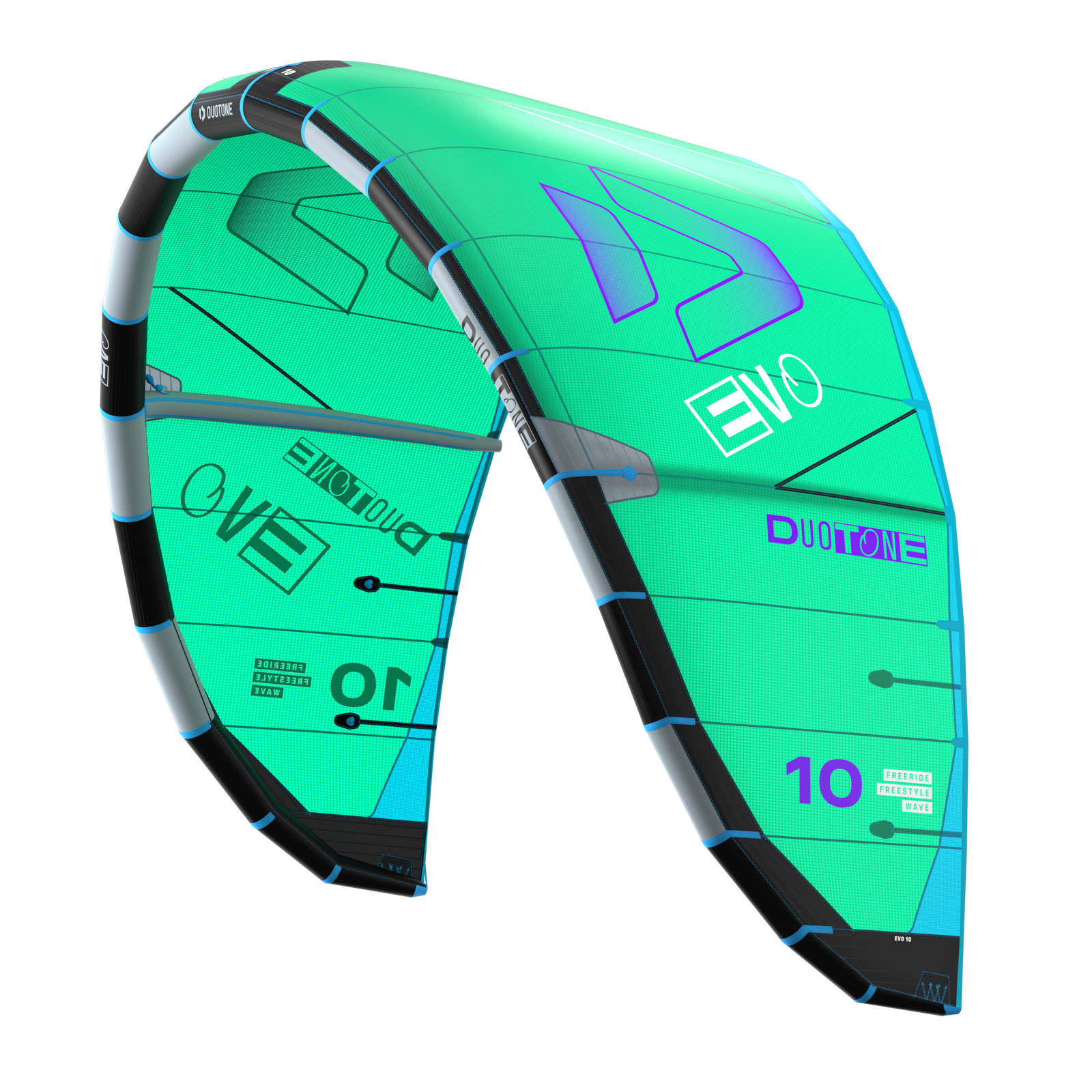
Duotone Evo Review: One Model, Three Characters
The Evo exists as a base version, SLS and D/LAB — each with its own stated purpose. Why construction changes a kite's character, and which version fits your job.
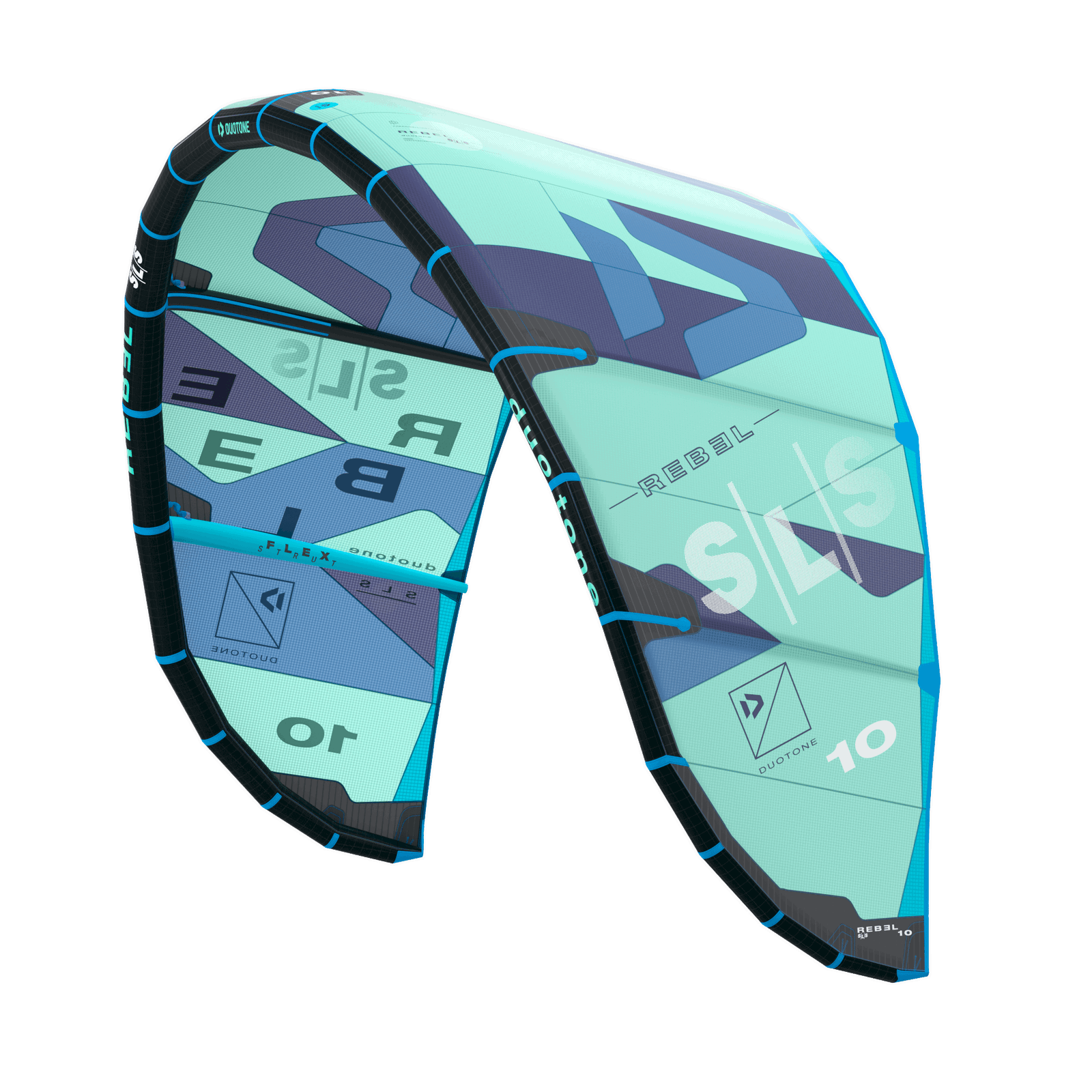
Duotone Rebel SLS Review: High Jumps and Light Wind in One Kite
The Rebel exists only in premium constructions — there is no base version. Why the brand made that call, and how jumping and light wind coexist in one model.
F-One Bandit vs Duotone Evo: Two Approaches to an All-Round Kite
Both are their brands' flagship all-rounders. But F-One publishes weight and range per size while Duotone splits the model into three constructions. What that says, and who should buy which.
F-One Trax HRD Lite Tech Review: Five Sizes, One Price
The Trax is F-One's best-known twintip. Sizes from 135×39 to 140×45 cm, 2.9 to 3.1 kg, and why width grows faster than length in this range.
F-One Foils: Assembling a Setup Without Buying the Wrong Parts
A foil is four independent parts, each sold separately. Using F-One's range: what each part does, how the Phantom differs from the Gravity, and what order to buy in.
F-One Gravity FCT 1800 Review: The Wing People Learn to Fly On
1800 cm², aspect ratio 5.0, weight 1.7 kg. Why low aspect ratio at large area is the right first foil, and when you outgrow it.

F-One Phantom FCT Review: Three Sizes and Aspect Ratios to 6.4
The Phantom is F-One's efficient wing: 1280, 1480 and 1680 cm² at aspect ratios 5.9 to 6.4. What high aspect ratio buys, what glide is, and which size for which job.

F-One Brand Review: The French Who Count Grams
F-One carries 145 items with us and is the only brand publishing the weight of every kite size to ten grams. Bandit, Trigger, the foils, and the logic of TEC and BRAINCHILD.
F-One Bandit TEC Review: Eight Sizes and an Honest Range for Each
The Bandit is F-One's all-rounder, published with a full table of weights and wind ranges per size. How to build a gap-free quiver from those figures, and why the 14 m has half the range.

F-One Bandit BRAINCHILD Review: What a Kilogram Costs
BRAINCHILD is 4 to 12 % lighter than the standard Bandit and a third dearer. Using the manufacturer's own figures: where the premium repays and where you are paying for air.
Cabrinha Switchblade vs North Orbit: The World's Two Best-Selling Kites
Both are big-air benchmarks, both cost around two thousand, both have topped the charts for years. Size ranges, lift character and catalogue depth compared.

North Pulse 2025 Review: Freestyle, Slack, and Why It Is Its Own World
The Pulse is North's freestyle model: four sizes, 7 to 13 m. What slack means on a trick, how a freestyle kite differs from a big-air one, and why it is wrong for freeride.
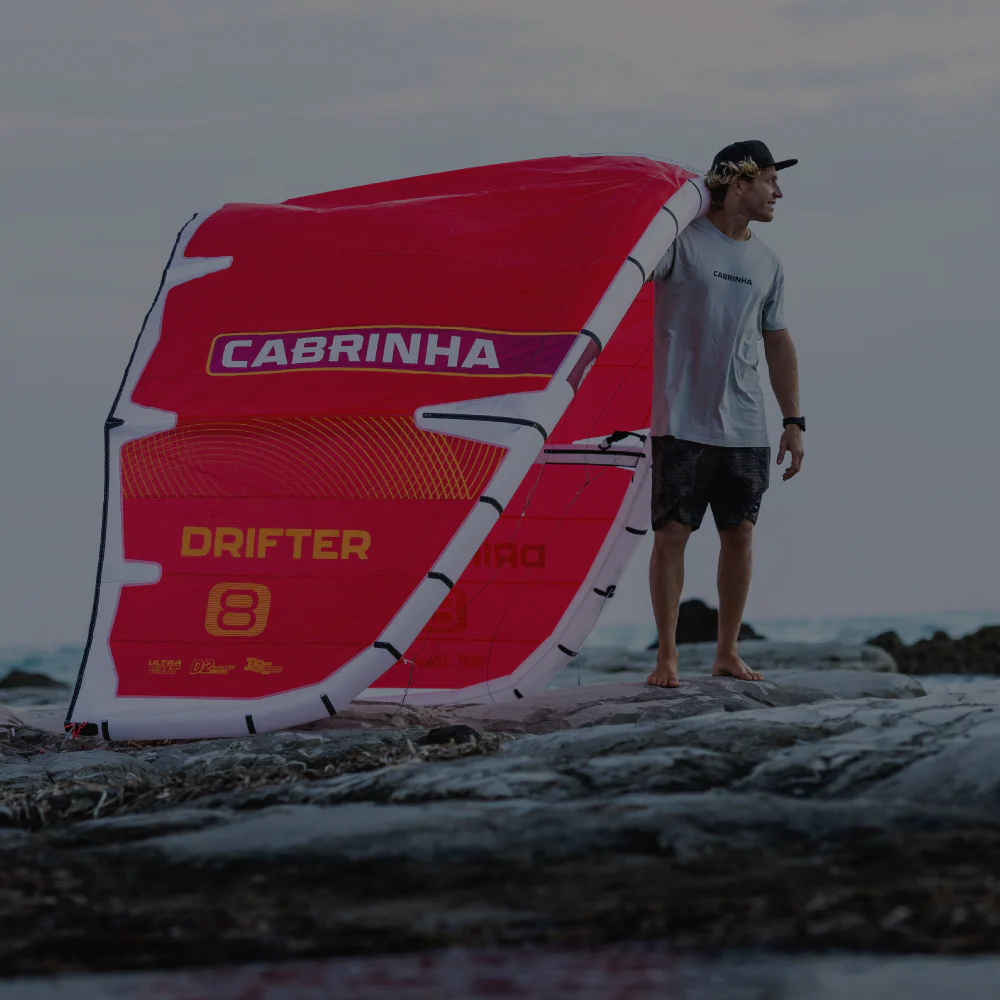
Cabrinha Brand Review: The Hawaiian School and a Kite That Lasted 20 Years
Cabrinha is Pete Cabrinha's brand from Maui. Four kites — Switchblade, Moto X, Drifter, Nitro — the Quickloop and Modular bars, and why the Switchblade has stayed on top for two decades.
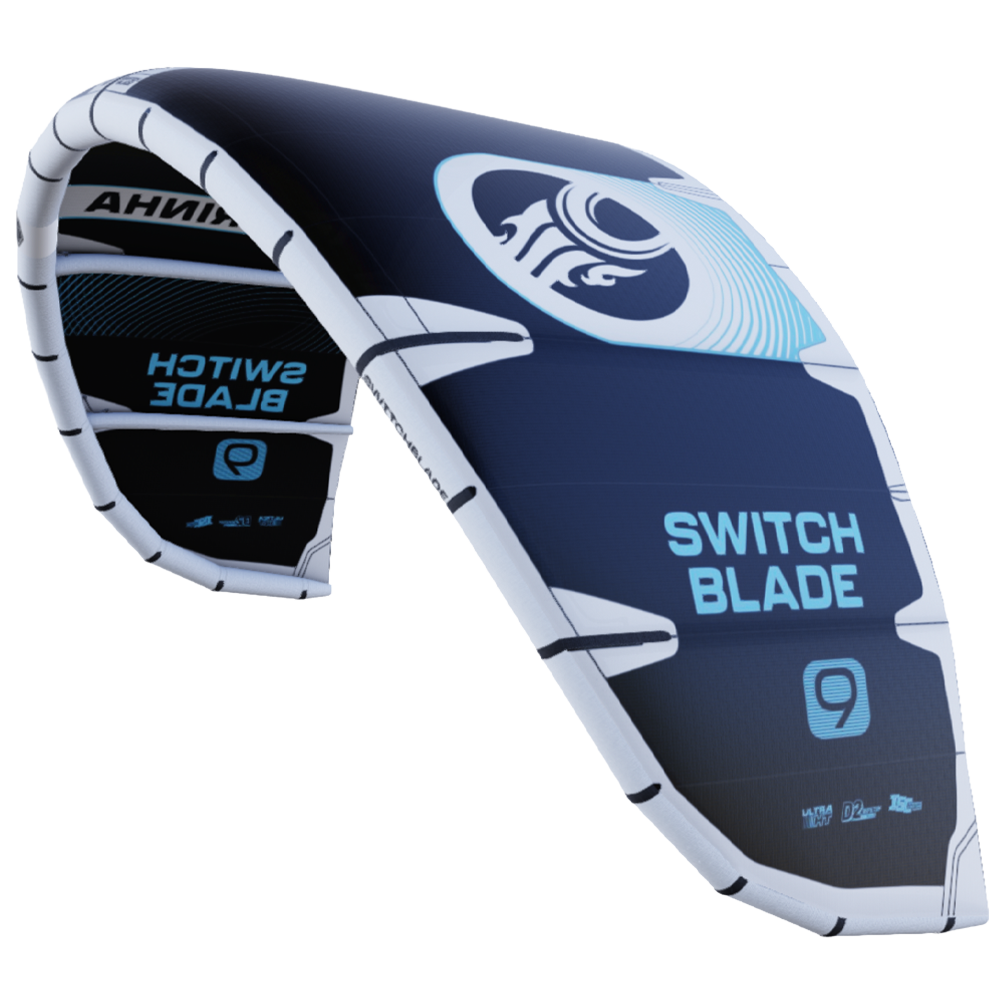
Cabrinha Switchblade Apex Review: A Legend That Ignores Fashion
The Switchblade has stayed on top for over fifteen years. Seven sizes 7 to 14 m, from 1,663 €. What steady lift means, why it is a rare quality, and who the kite suits.
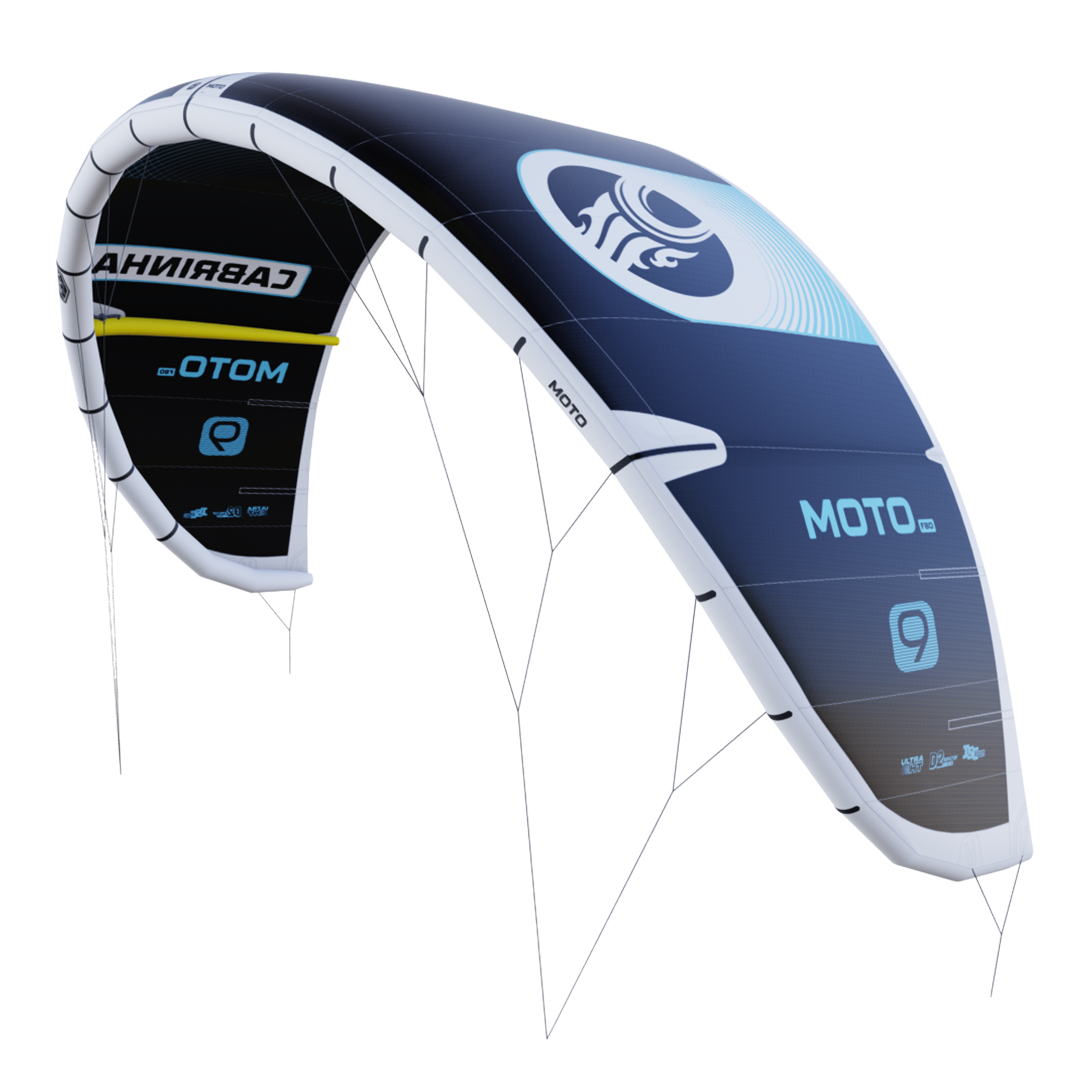
Cabrinha Moto X Review: An All-Rounder With Drift at 860 €
The Moto X is Cabrinha's most affordable kite and a rare all-rounder that drifts. Four sizes, 5 to 10 m. How that combination works, and where its limit lies.

North Boards: Prime, Astra, Focus, Atmos — the Whole Twintip Range
Five lines from 619 to 1,599 €, sizes 127 to 152 cm. How the lines differ, why the Prime runs to 152 cm, and which rung of the ladder is yours.
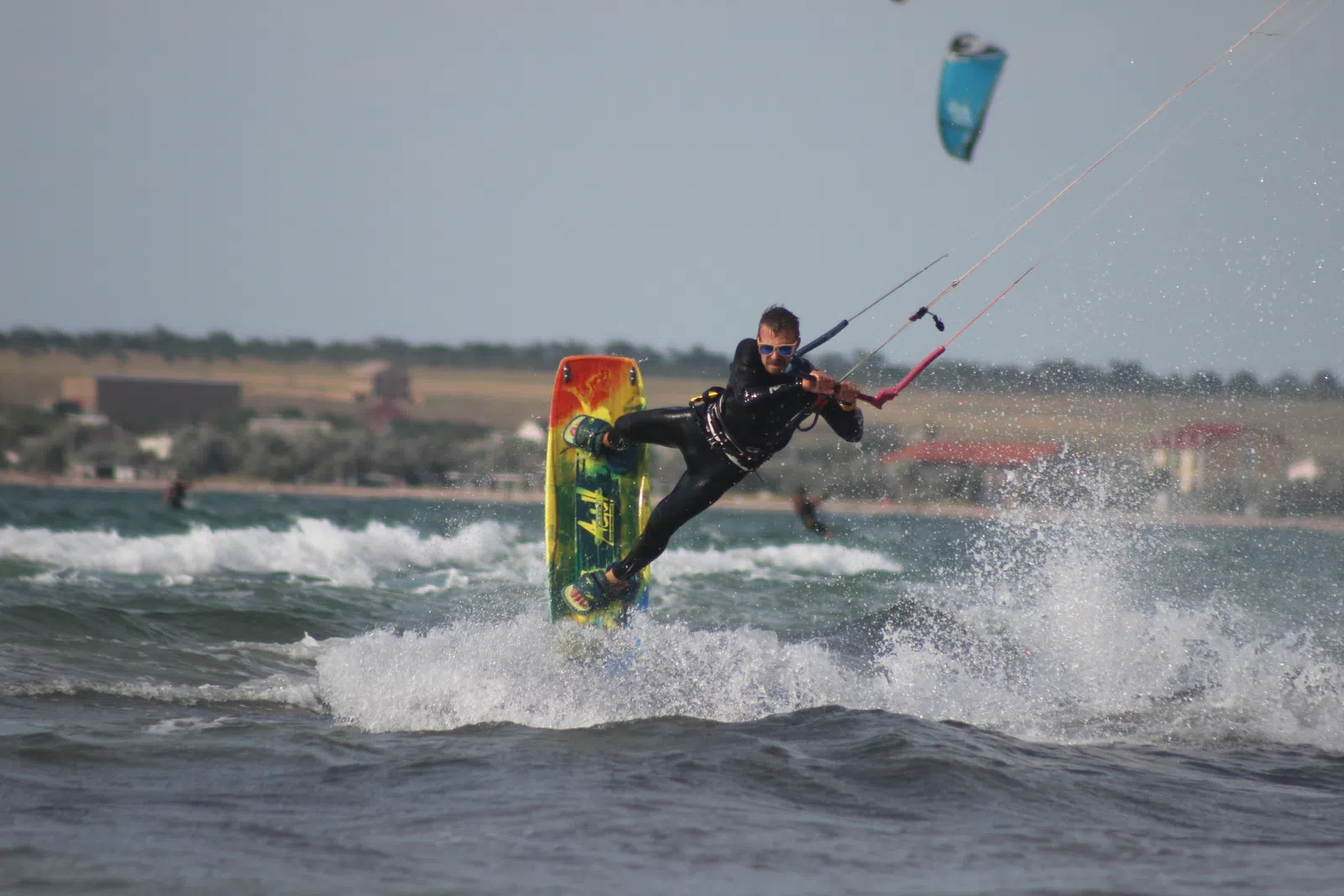
North Atmos 2026 Review: The Middle of the Range Where Most People Live
The Atmos is North's core freeride twintip: four sizes 136–144 cm, one price of 799 €. How it differs from the Prime below and the Atmos Pro above, and who it is enough for.
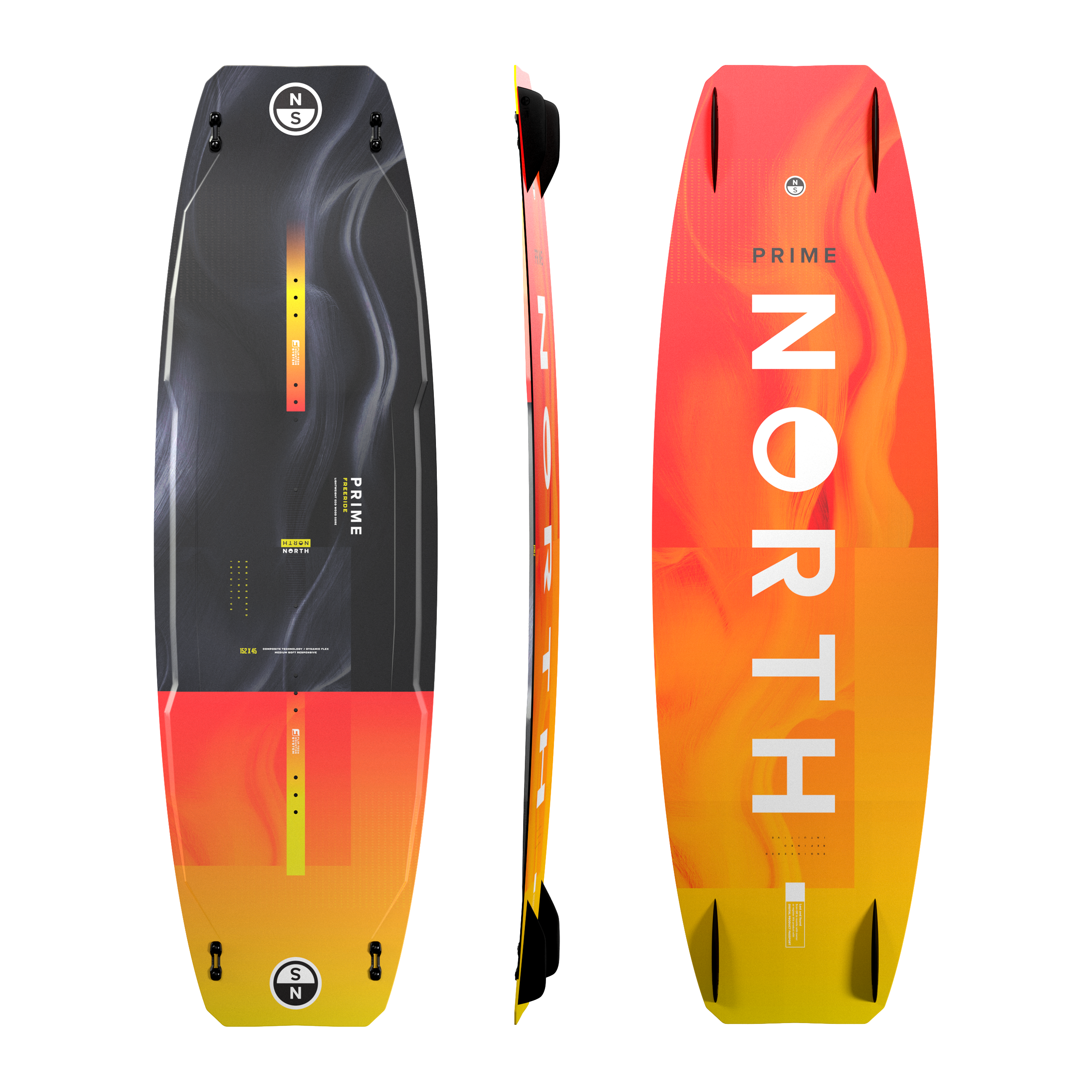
North Prime 2026 Review: The Cheapest Board With the Widest Range
The Prime costs 619 € and runs to 152 cm — effectively a light-wind size inside an ordinary line. Why a soft board suits a learner better, and when 152 cm beats a second kite.
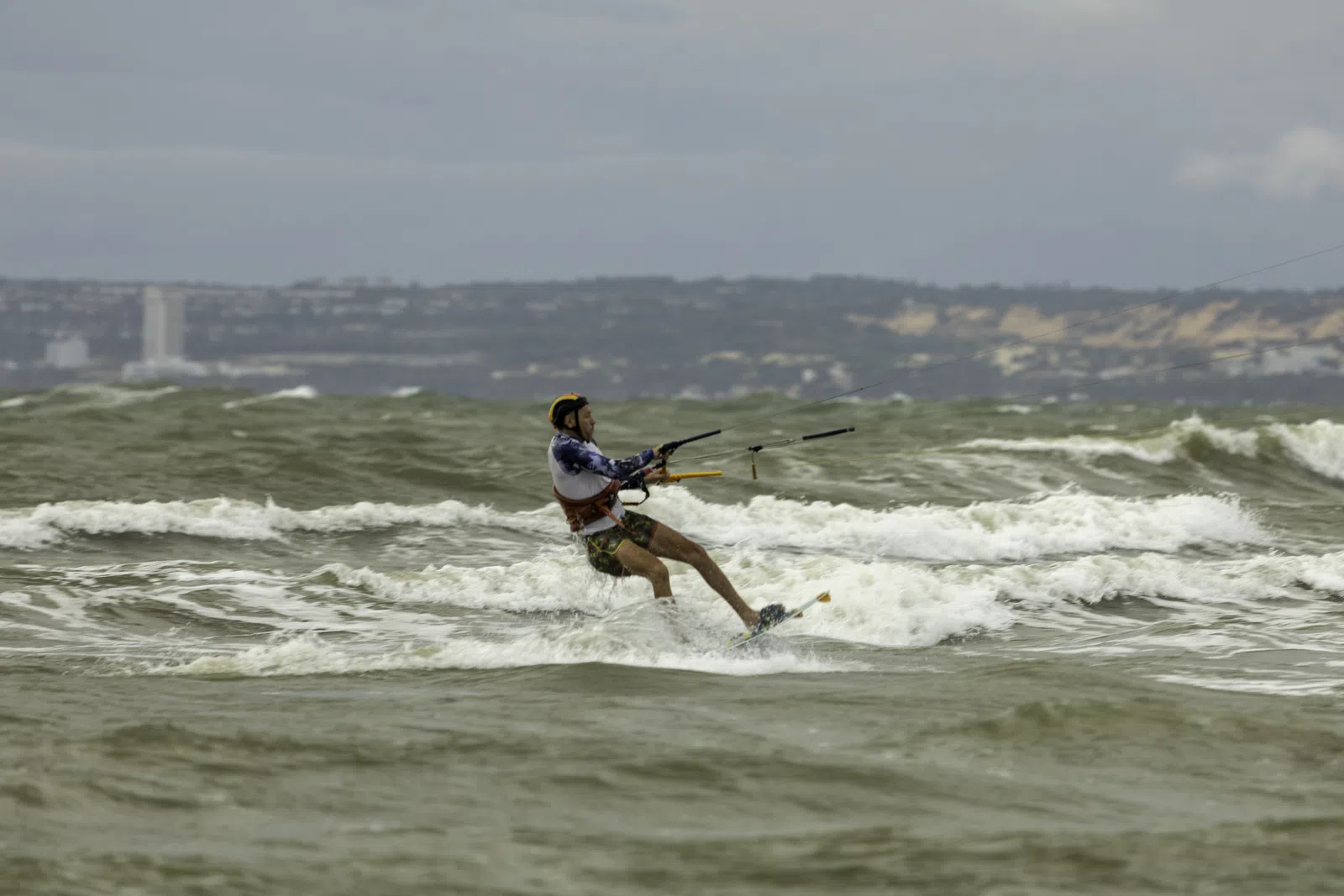
North Orbit vs Ozone Edge VT: Big Air From Two Schools
The two most recognised big-air kites on the market, two philosophies. Size ranges, weight, price and character compared — and why the choice is not decided by specifications.
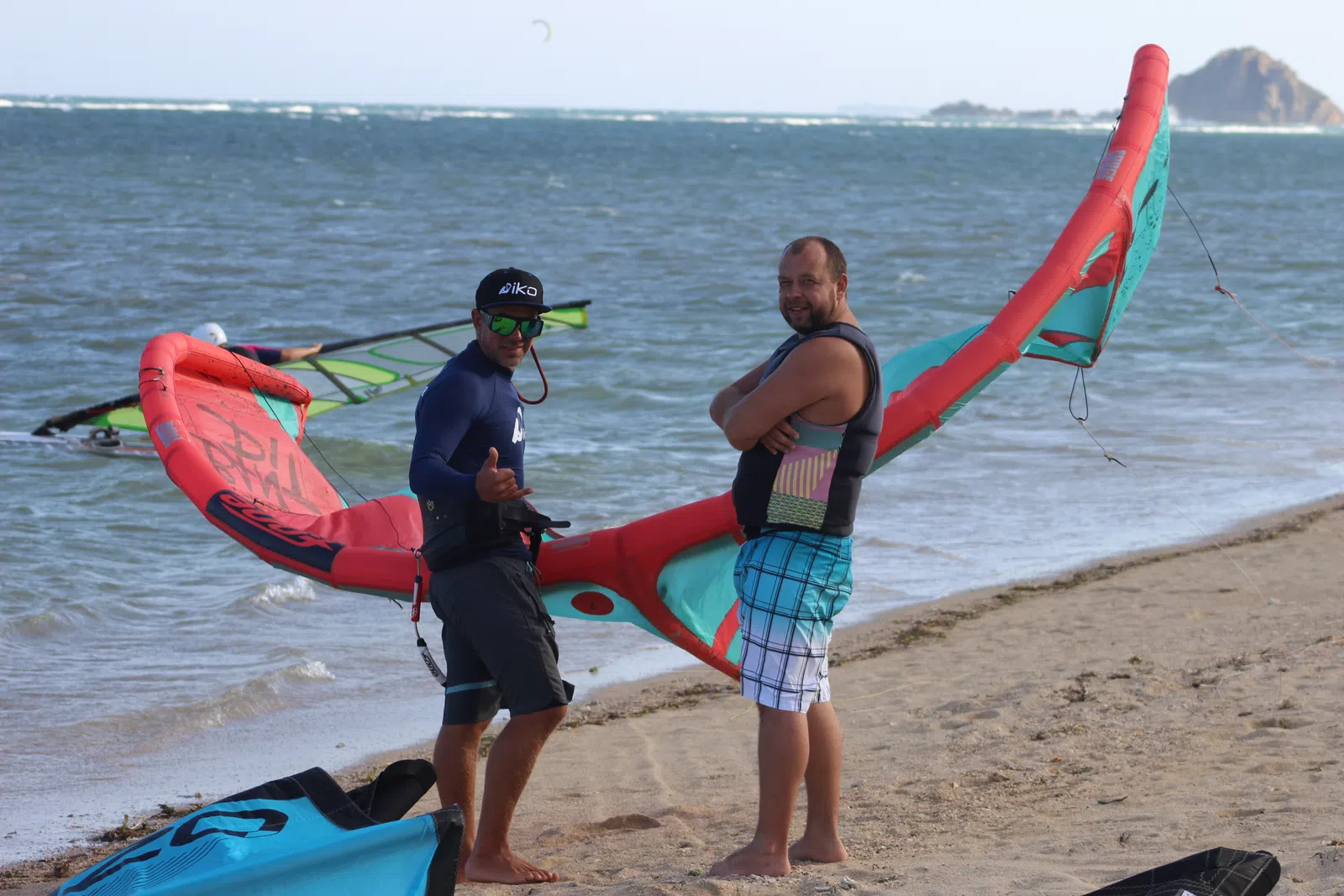
North Carve 2025 Review: The Wave Kite That Knows How to Let Go
The Carve is North's wave model: seven sizes from 5 to 12 m. What drift is, why waves demand it, and how a wave kite differs from an all-rounder.

North Kiteboarding Brand Review: A Legend Rebuilt
North is a brand with history that was rebuilt from scratch in 2019. 341 items in our catalogue, the largest range we carry. Orbit, Reach, Carve, Pulse, the boards, and what Pro and Ultra mean.
North Orbit 2026 Review: The Flagship for Riders Who Jump
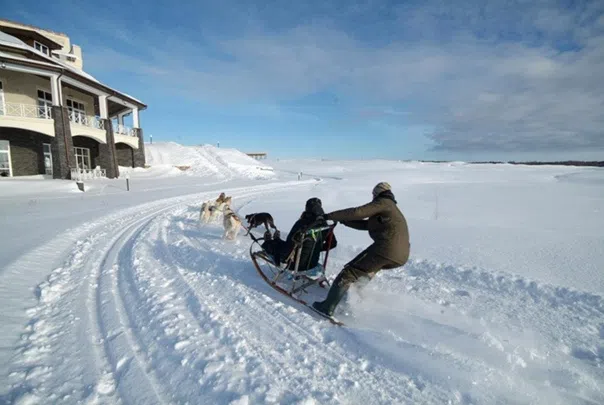
The Orbit is North's big-air flagship and one of the three most recognised kites in the world. The 2026 version, what the Orbit Ultra's fractional sizes mean, and whether a fresh season is worth the money.

North Reach 2026 Review: The All-Rounder That Covers a Season
The Reach has North's widest size range: 26 options from 1,499 €. Why an all-rounder is often the right call, and who it suits better than the Orbit.
Boom vs Handles on a Wing: The Choice That Matters More Than Size
One Ensis SCORE sells in both versions, 76 € apart. What a rigid boom changes, where soft handles win, and why a beginner should start with a boom.
Flysurfer TAO2 Review: Eight Sizes From 2.5 to 7.0 Metres
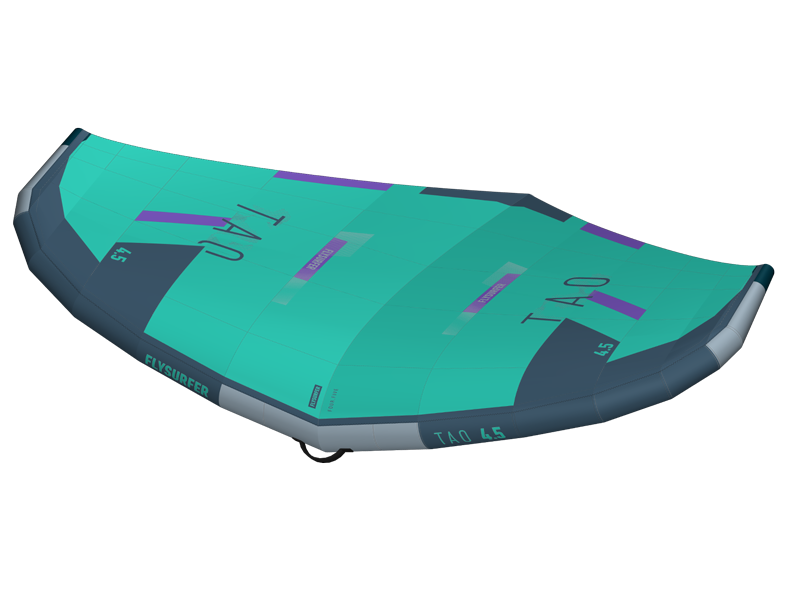
The TAO2 is Flysurfer's all-round wing with the widest size range in the line: eight positions, beginner to pro, from 846 €. Who actually needs that spread.
Takoon Brand Review: The French Who Went All-In on Foiling
Takoon was a kite brand and is now a foil brand: 127 items in our catalogue, over a hundred of them foils, masts, wings and boards. The range and the logic of its modular system.
Takoon Wings: V3, V4 and VX — Three Generations in One Catalogue
Wing V3 Pro from 480 €, V4 from 545 €, V4 Pro from 689 €, VX Pro V2 from 809 €. How the generations differ by purpose, and why Takoon prices sit at half the market.

Wing vs Kite for a Beginner: What to Start With
A wing is safer and more intuitive than a kite, but a foil is harder than a board. Both routes compared by learning stages, cost, spot requirements — and which gets you riding sooner.
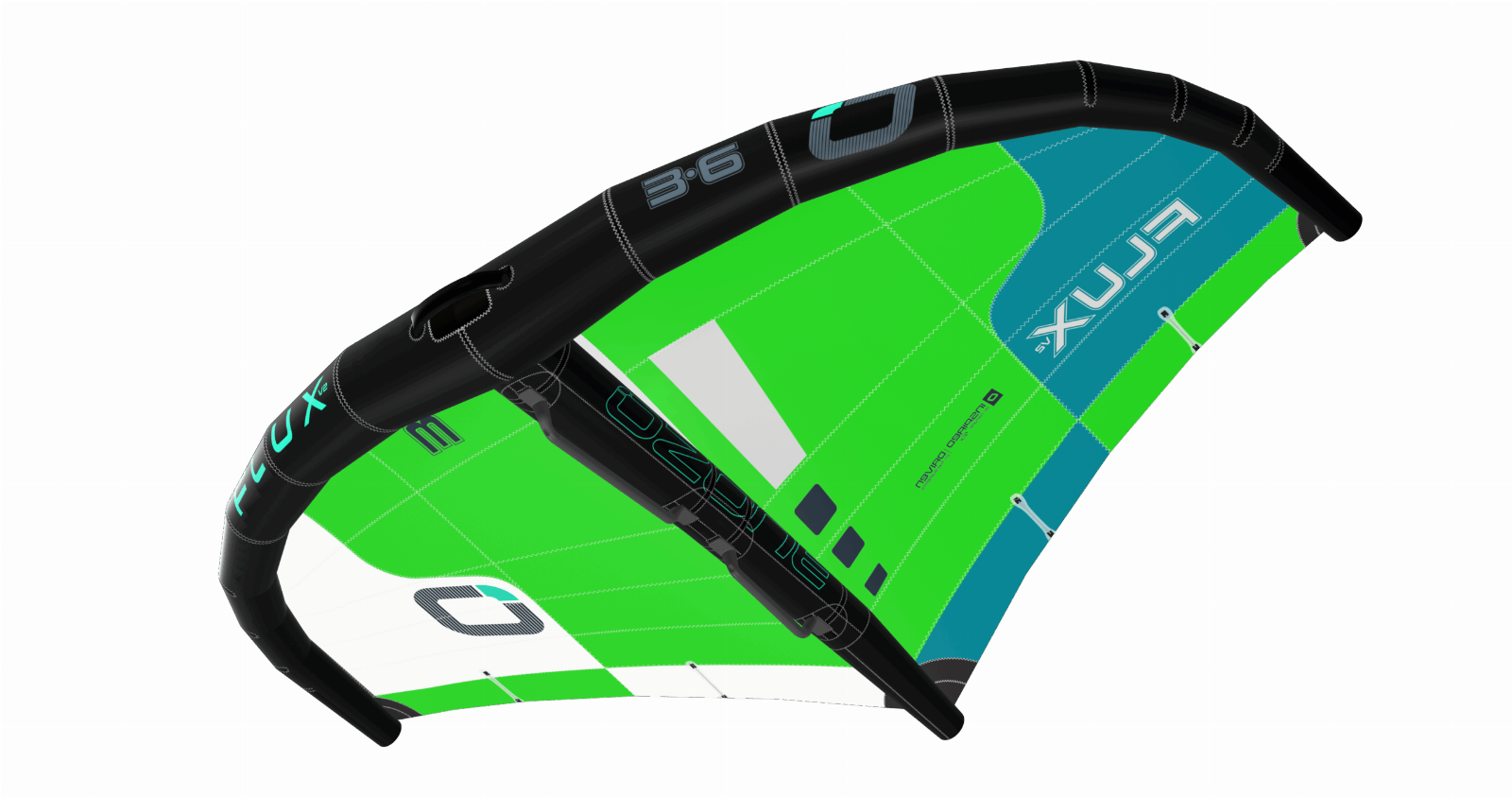
Ozone Flux V2 Review: Powered Freeride for Riders Who Accelerate
The Flux V2 is Ozone's wing for speed and upwind: 2.47 aspect ratio, seven sizes to 6 m, ten battens. How it differs from the Flow and who needs that difference.
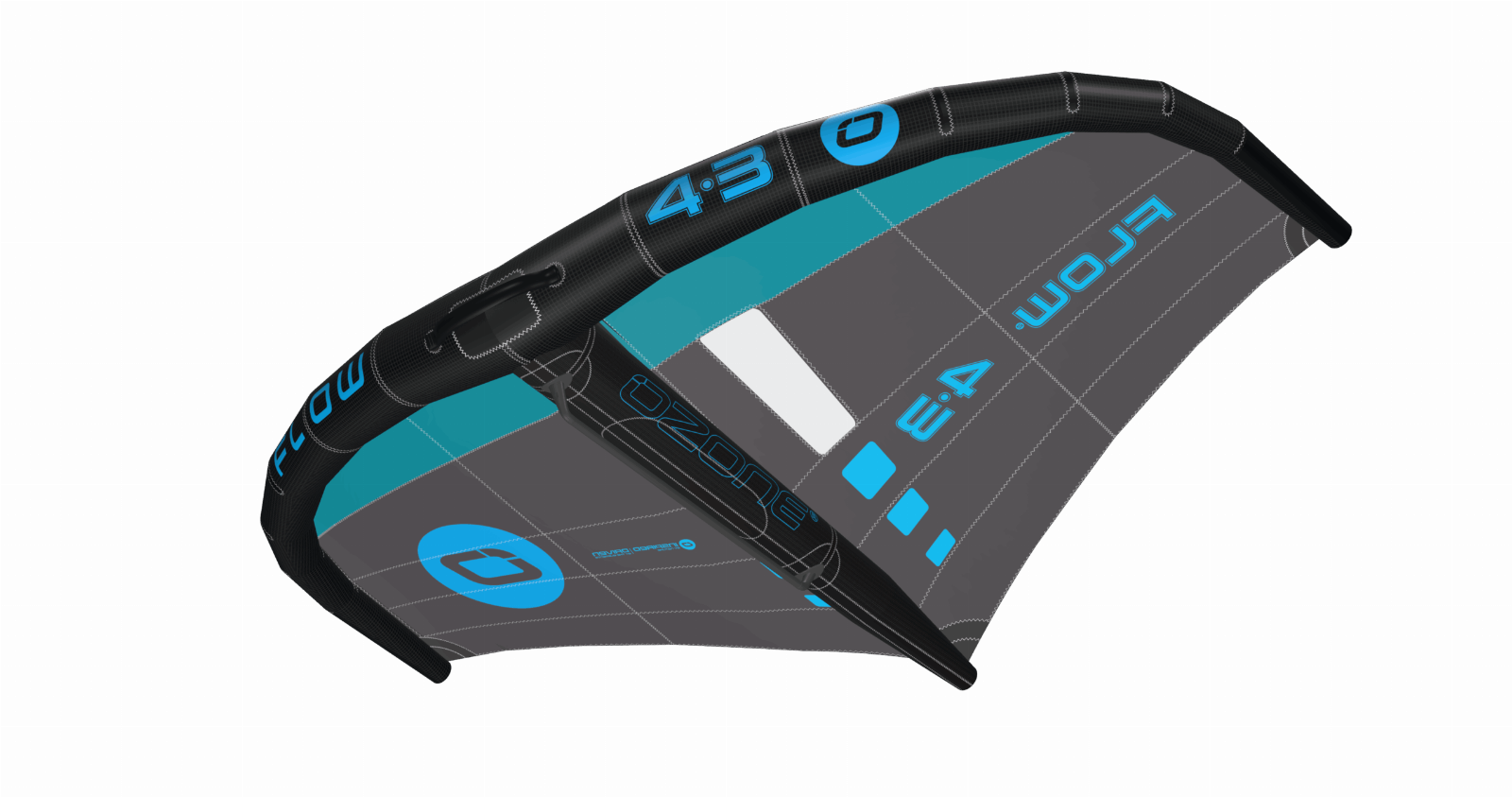
Ozone Flow V2 Review: A One-Wing Quiver, Without the Quotation Marks
The Flow V2 is Ozone's universal freeride wing: six sizes, 2.29 aspect ratio, from 1.92 kg, rated beginner to expert. Why a low aspect ratio is a virtue here.
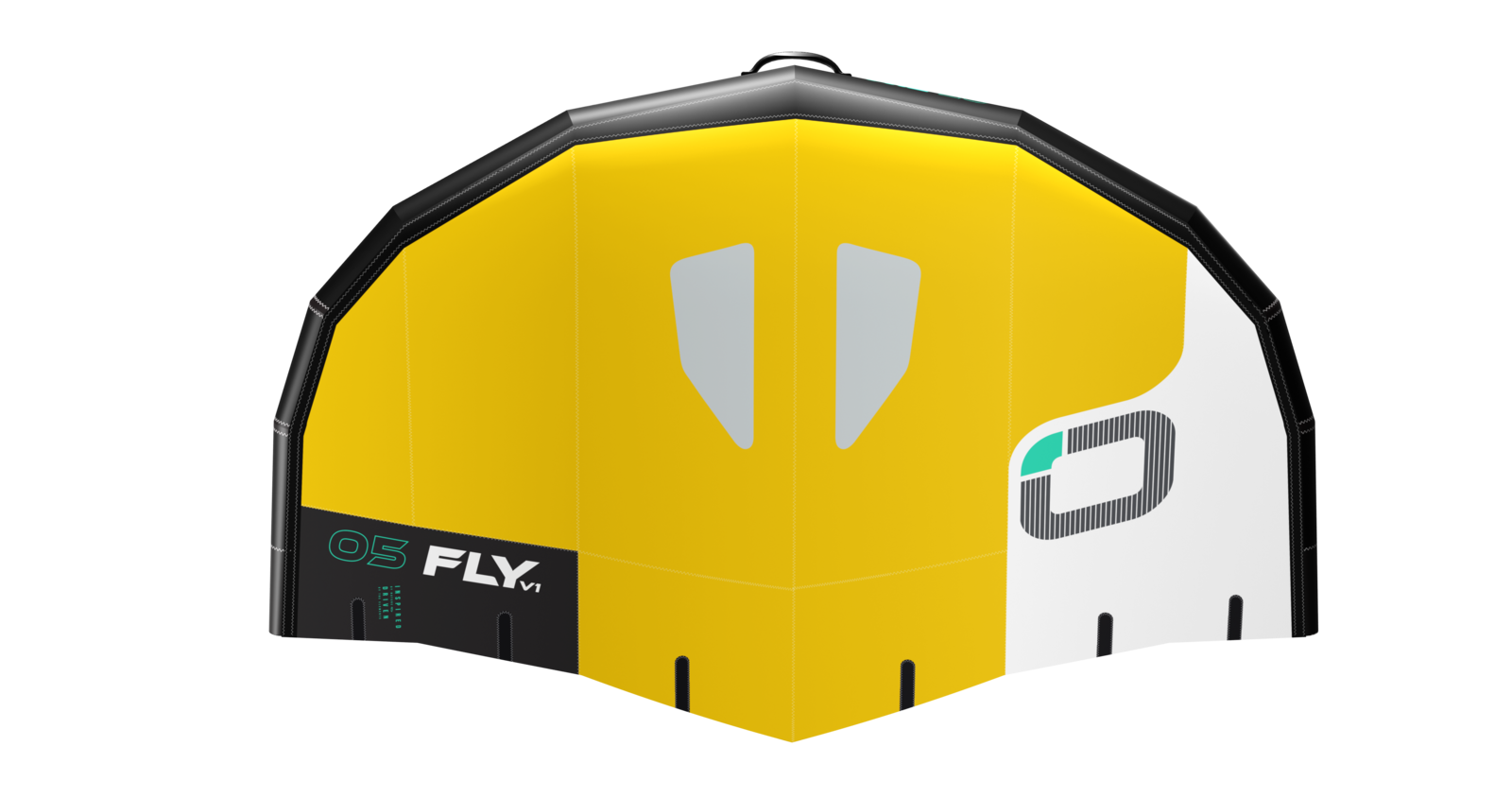
Ozone Fly Review: The Cheapest Way Into Wingfoiling
The Fly starts at 719 € — half the price of most wings. Six sizes, 6 battens, from 1.3 kg. Where the savings are, and when they will not hold you back.
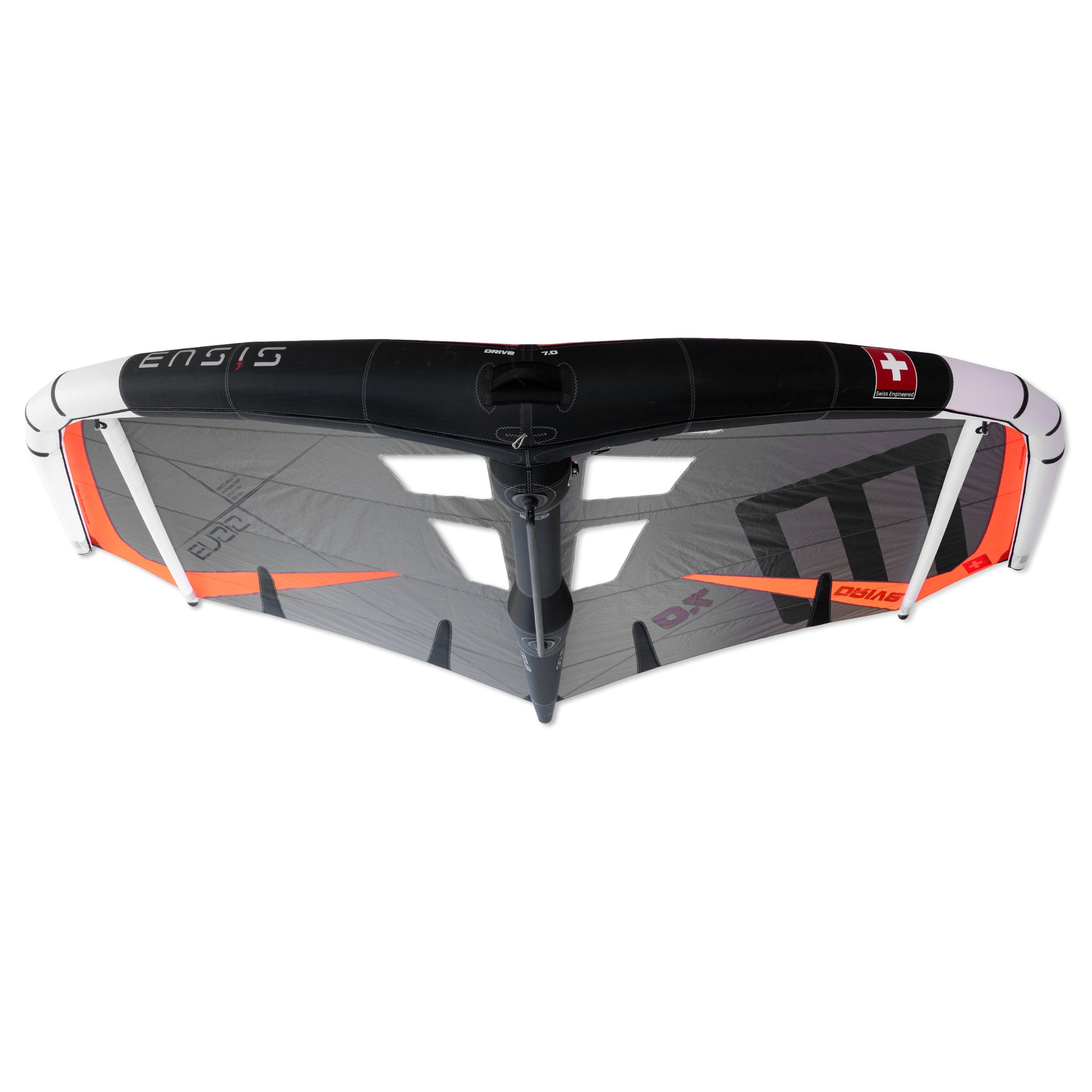
Ensis Brand Review: The Swiss Who Build the Whole Wingfoil System
Ensis is a rare brand covering the entire wingfoil chain: wings, boards, foils, masts, booms and helmets. 50 items in our catalogue, and the logic behind the ACE suffix.
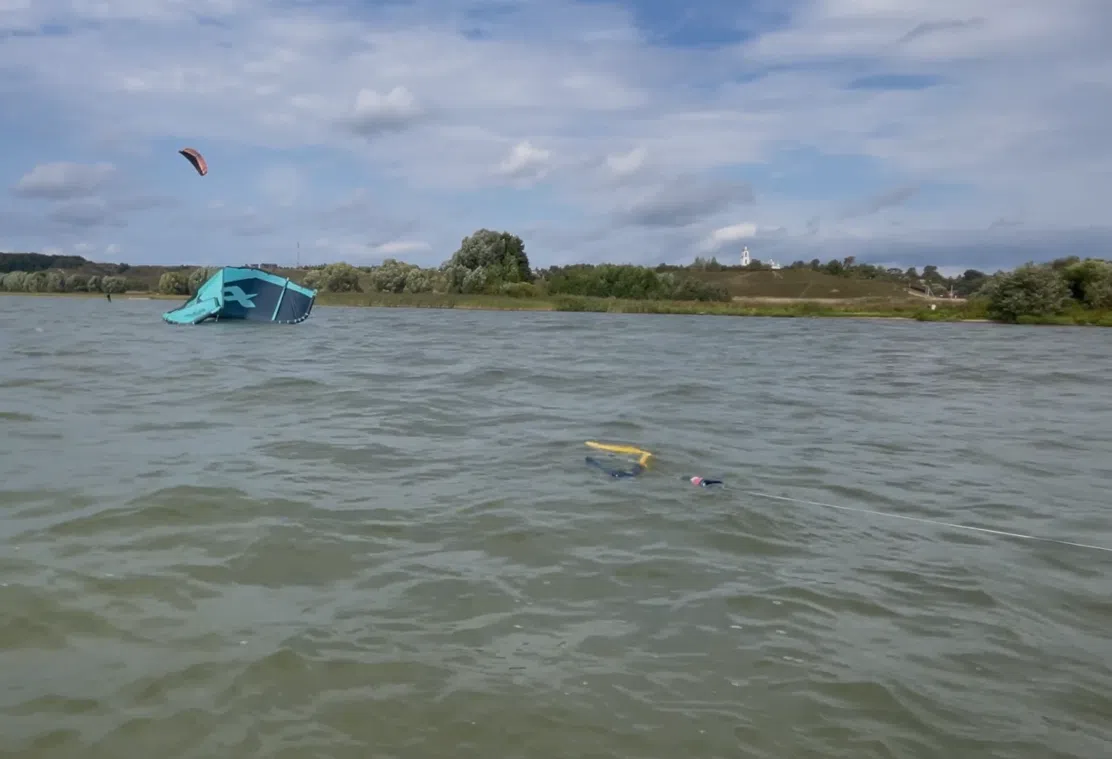
Ensis SCORE Review: One Wing in Three Builds
The SCORE comes with a boom, with handles, and in the premium ACE build — seven sizes from 2.8 to 6.6 m². What separates them on the water, and why the price nearly doubles.
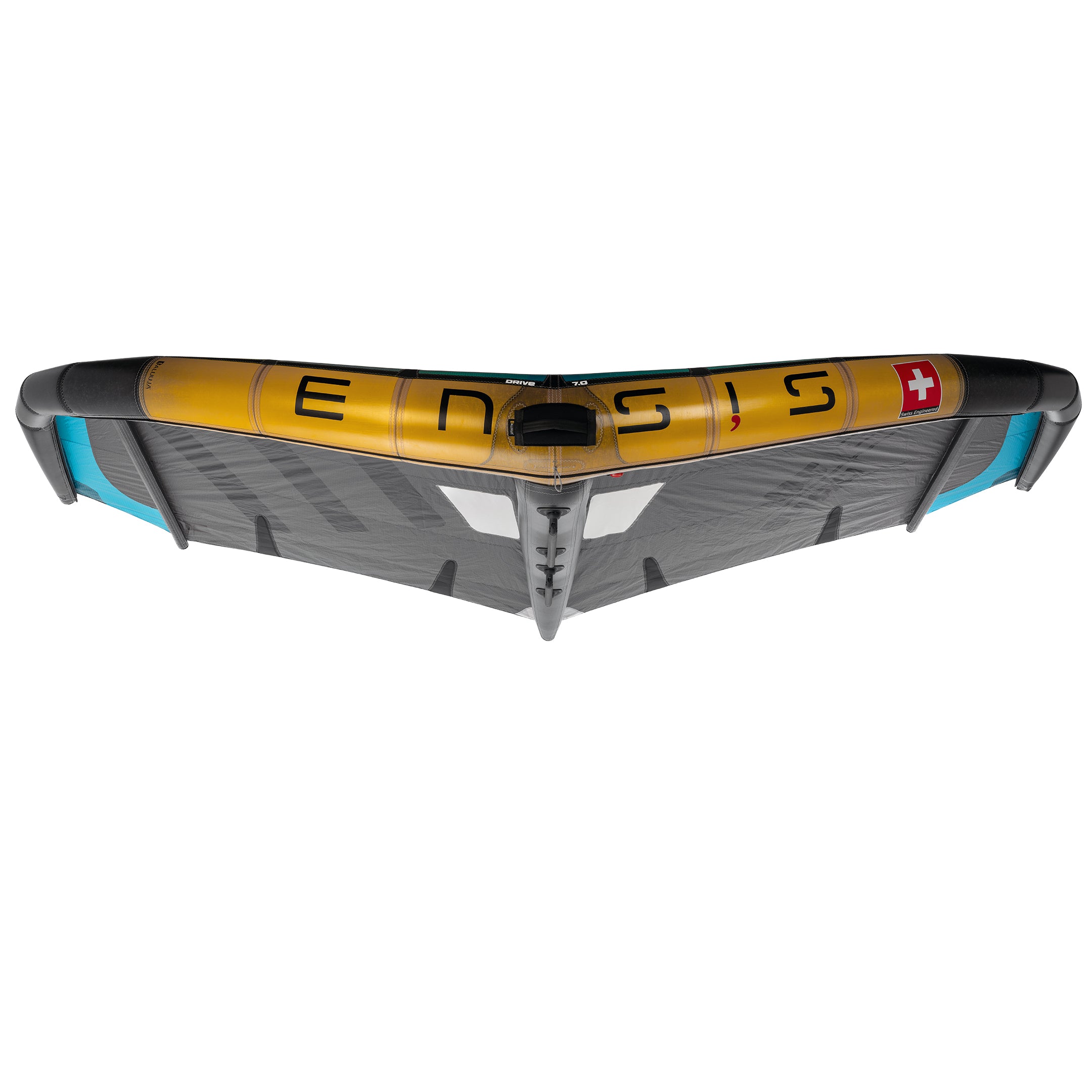
Ensis DRIVE ALUULA Review: What Doubling the Price Buys
The DRIVE starts at 1,621 €, the DRIVE ALUULA at 2,974 €. What the ALUULA composite does for a wing, why wing weight matters more than kite weight, and who it pays back for.
Ozone Contact vs Flysurfer FORCE: What 600 Euros of Control Bar Buys
A bar costs half as much as a kite, and it is the hardest purchase to understand. Two approaches — Ozone's minimalism and the Flysurfer FORCE — and what actually matters in a bar.
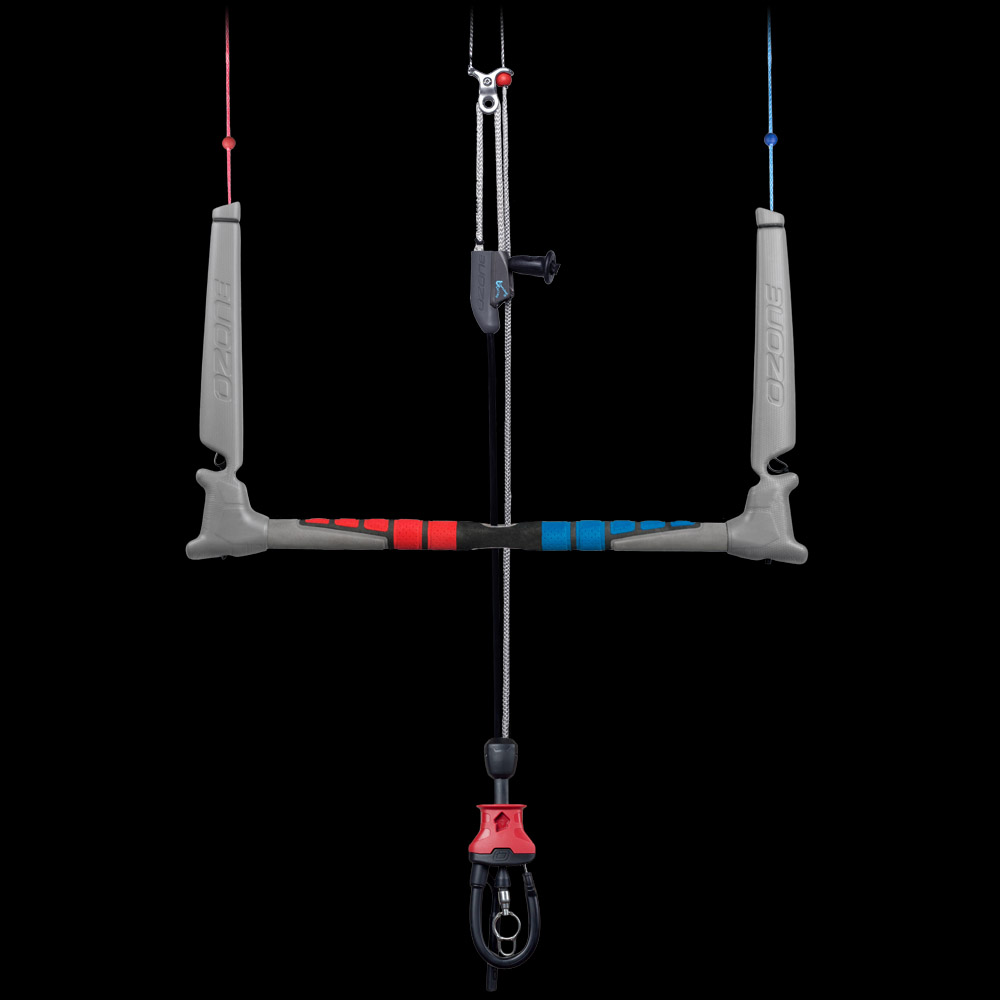
Ozone Contact Water V5 Review: Minimalism as a Principle
The Contact Water V5 is a bar with everything removable removed. The Click-In Loop release, two lengths on 25 m lines, and why simplicity beats features in a control bar.

Prolimit Impact Vests: Why You Need One Even If You Do Not Jump
An impact vest is not a buoyancy aid. It absorbs impact with the water, the board and your own bar. Two Prolimit models, the half cut, and the most underrated purchase in kiting.

Seat Harness vs Waist Harness: The Choice Is Not About Skill Level
The beach wisdom says seat harnesses are for beginners and waist harnesses for everyone else. That is wrong. What actually differs, who needs what, and why foilers go back to seats.
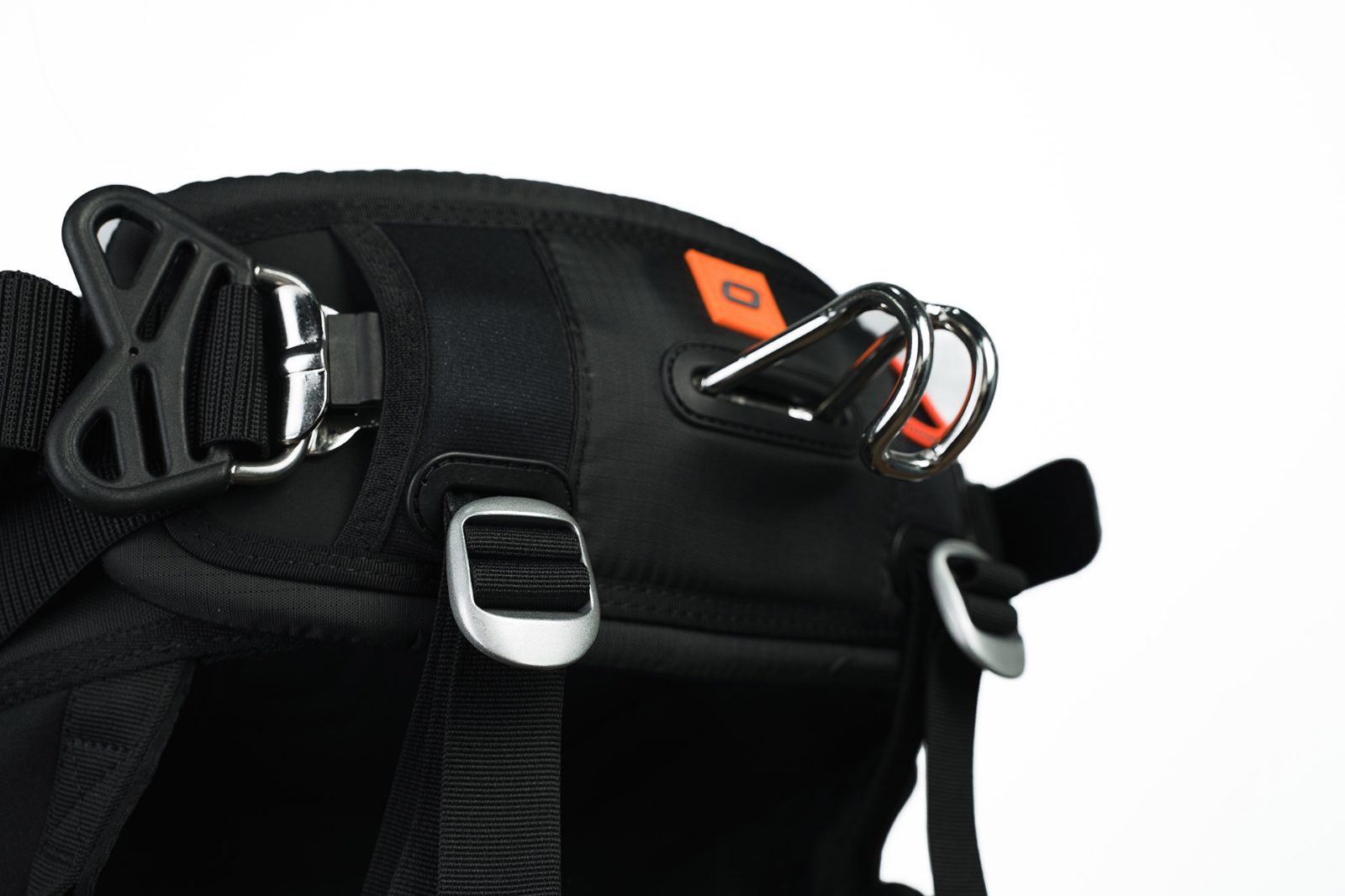
Ozone Connect Seat V3 Review: A Seat Harness Grown From a Waist One
The Connect Seat V3 is built on the Connect Waist V4 but for a different job — holding your torso in a low, stable stance at speed. Seven sizes, fully adjustable leg straps.
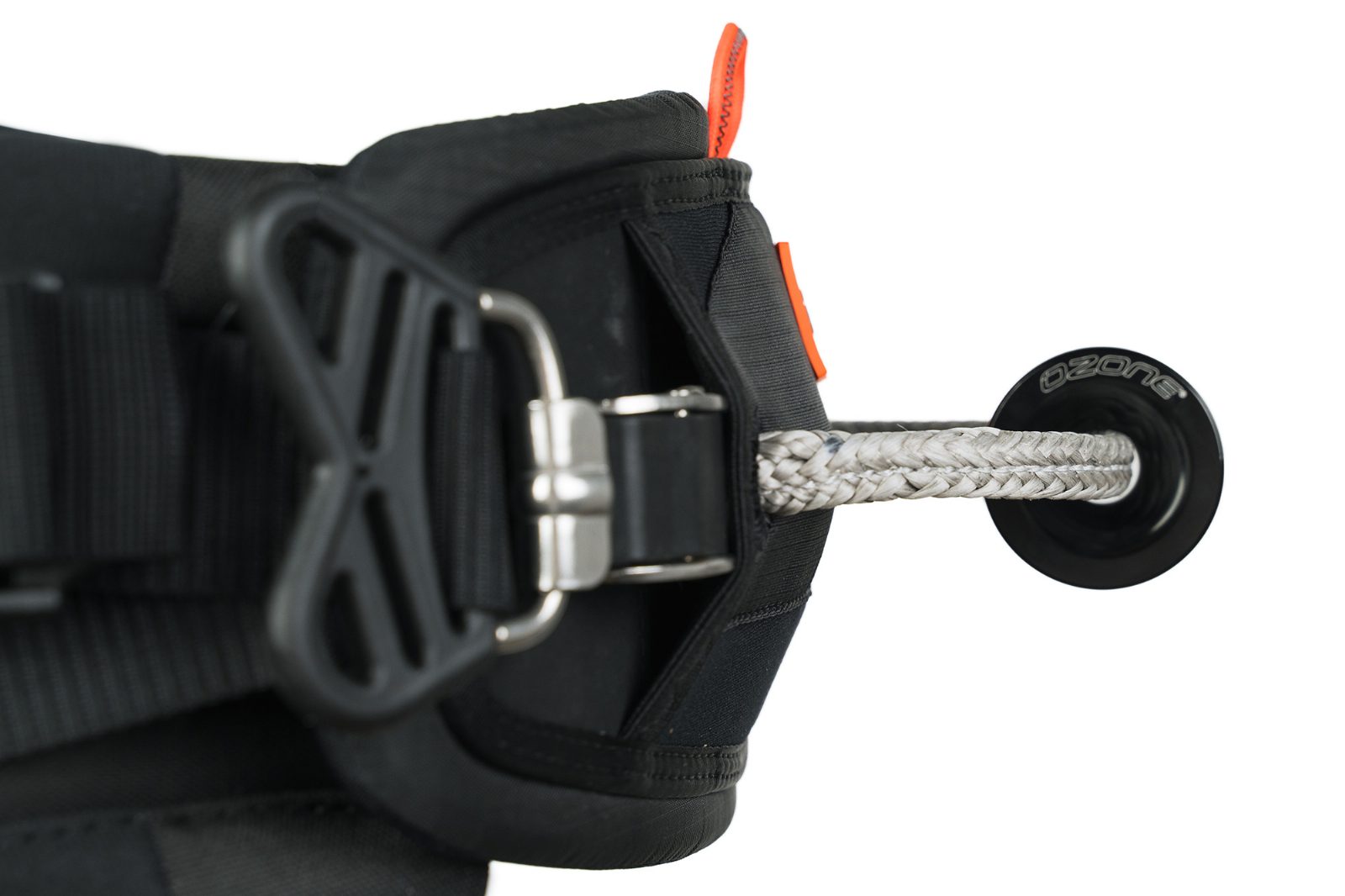
Ozone Connect Waist Sliding V4 Review: Why a Spreader Bar Should Slide
The Sliding V4 differs from the standard Connect Waist by one part — a sliding spreader bar. What it does, who genuinely needs it, and why wingers and wave riders like it.
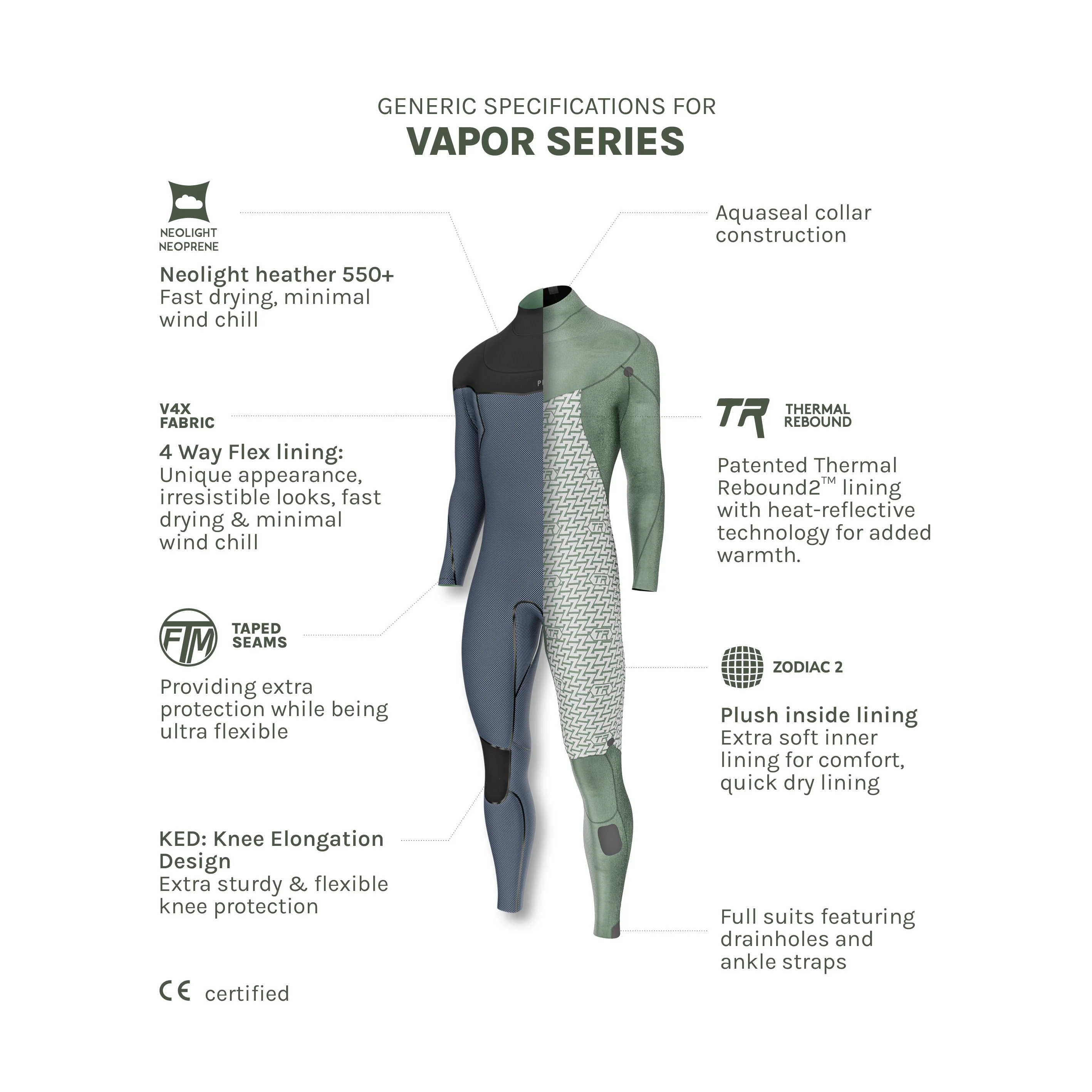
Prolimit Brand Review: Wetsuits, Harnesses and Protection
Prolimit is the Dutch brand that makes not the craft but what you wear on it. The range in our catalogue: five wetsuits, five harnesses, vests and bags — and the logic of the price steps.
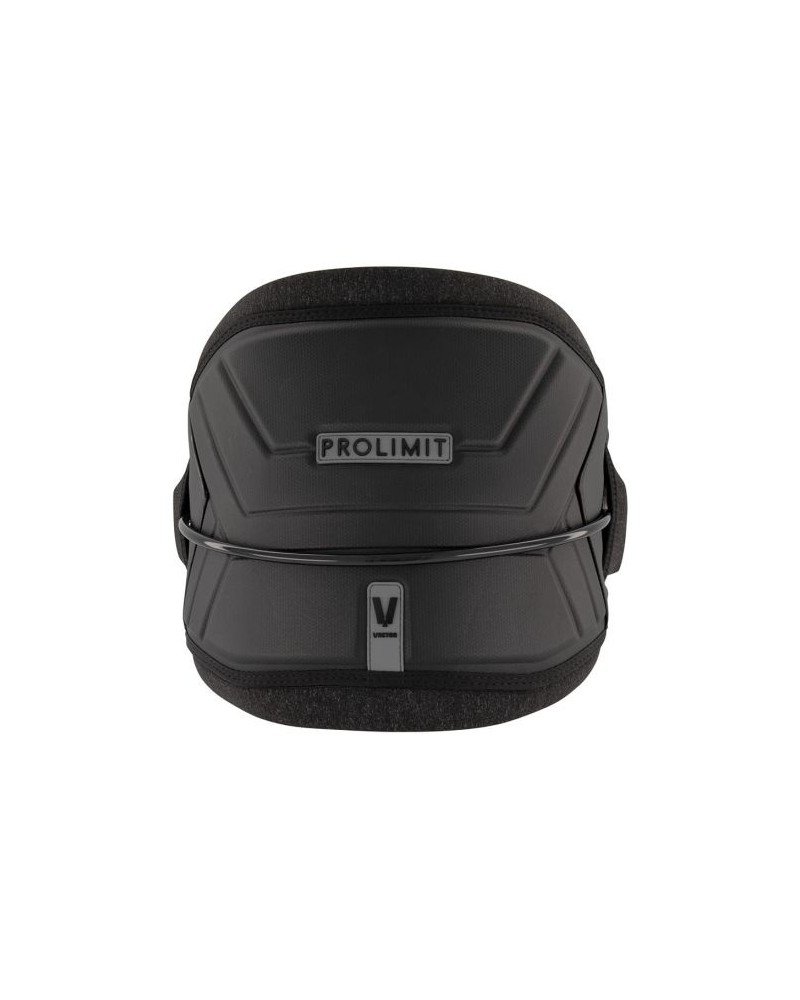
Prolimit VECTOR BLACK Review: Why a First Harness Can Cost 154 €
The VECTOR BLACK is Prolimit's most affordable harness, in five sizes including XS. What you give up against the 446 € flagship — and when that loss does not concern you.

CrazyFly Boards 2026: The Whole Range From Acton to Raptor LTD
Acton, Cruiser LW, Raptor, Raptor Extreme, Raptor LTD — five rungs of one ladder, from 349 to 839 €. What each step actually buys you, and where to stop climbing.
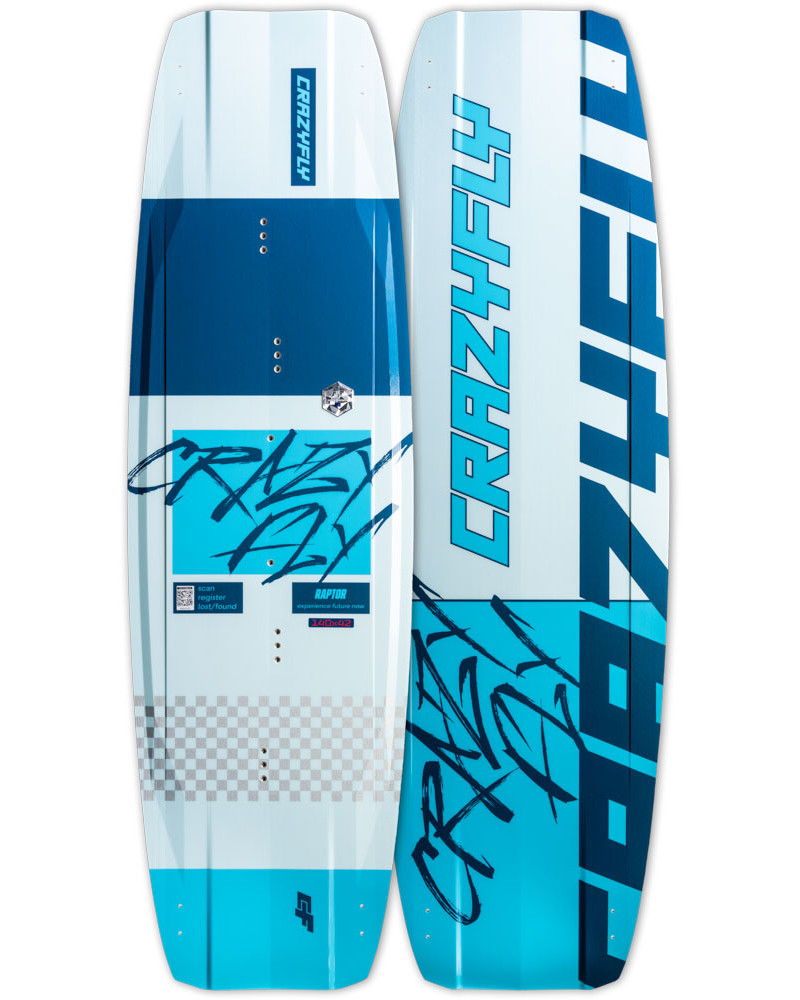
CrazyFly Raptor 2026 Review: The Board Most People Stop At
The Raptor is CrazyFly's cult twintip: carbon, medium flex, five sizes, one price. Why medium flex is the headline spec, and who has no reason to climb further up the range.
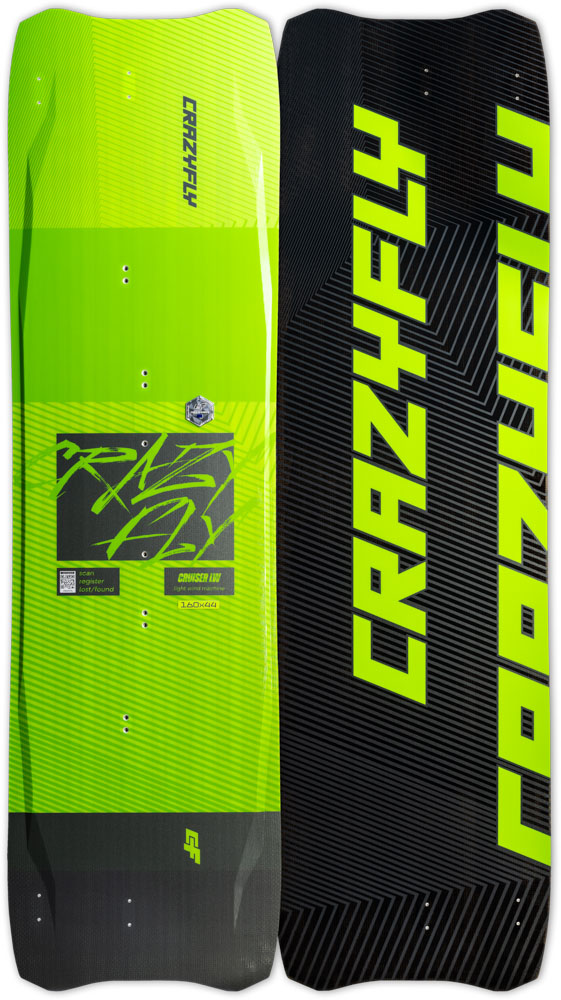
CrazyFly Cruiser LW 2026 Review: 160 Centimetres Against Light Wind
The Cruiser LW is a light-wind board at 154 and 160 cm, built in fibreglass rather than carbon. Why fibreglass is the right call here, and when a second board beats a second kite.

Ozone Explore V3 vs Flysurfer PEAK6: Snowkiting's Two Leaders
Both single-skin, both rated from beginner, both flagships of their ranges. Sizes, prices and philosophy compared — and why the choice is decided at the ends of the range, not the middle.
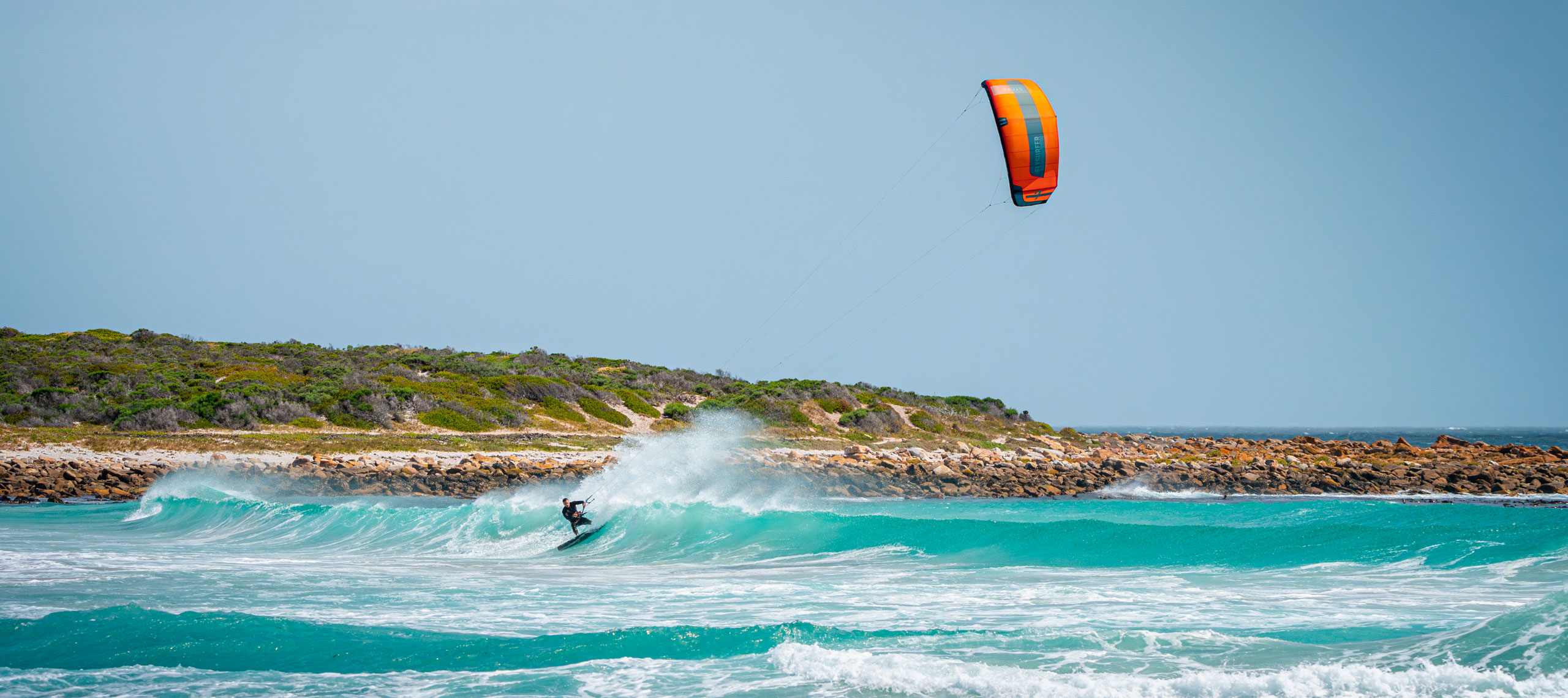
Flysurfer Brand Review: The Germans Who Made Foil Kites Mainstream
Flysurfer has built foil kites longer than anyone and barely bothers with inflatables. The range — Peak, Soul, Sonic, Era, VMG — and how the German approach differs from Ozone's.
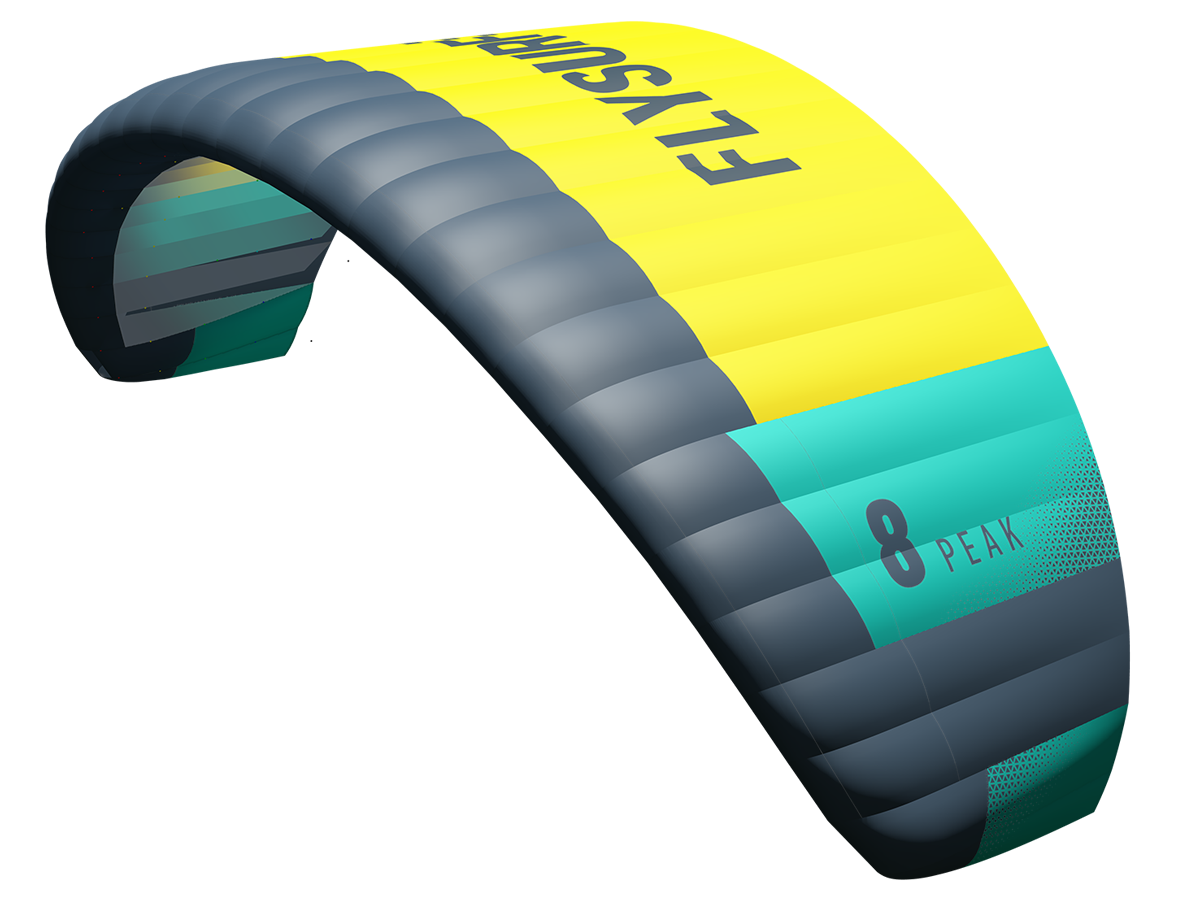
Flysurfer PEAK6 Review: Six Sizes From 2.5 to 11 Metres
The PEAK6 is the sixth generation of the best-known single-skin kite. Why a 2.5 m size exists, why an 11 m single-skin packs smaller than a 7 m inflatable, and who it covers a whole season for.
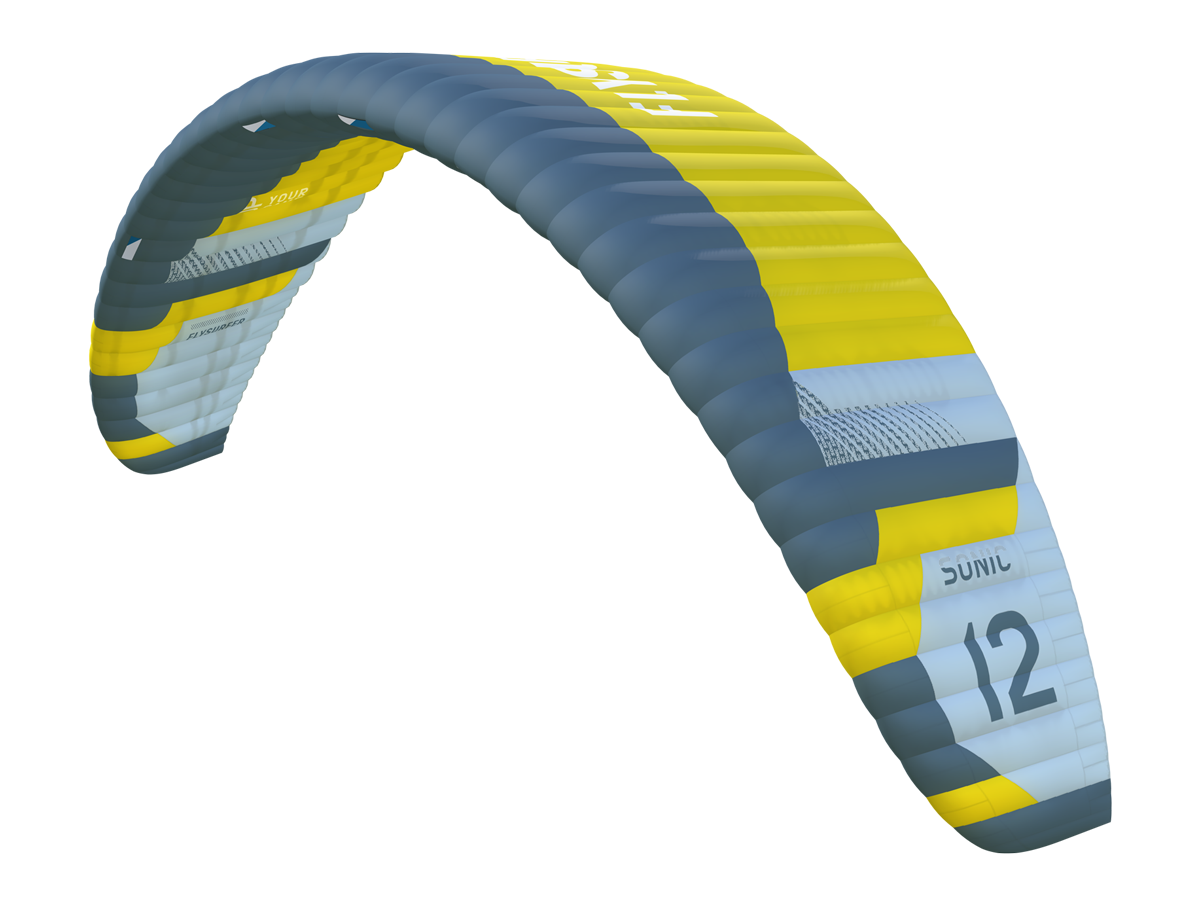
Flysurfer SONIC5 Review: A Racing Foil Kite That Also Jumps
The SONIC5 is presented as a race-and-freestyle foil with big air in mind — an unusual combination for a closed-cell kite. Four sizes, an intermediate-to-pro rating, and how it differs from pure racing.
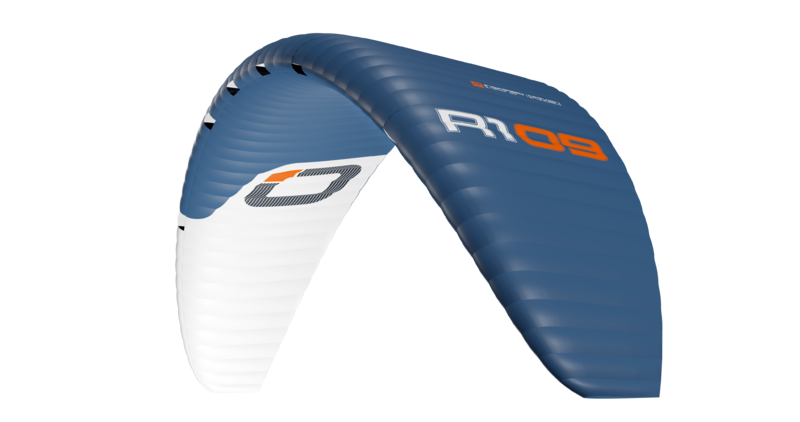
Ozone R1 V5 Review: A Racing Foil Kite and Who Actually Needs One
Four years of development, more than 50 prototypes, aspect ratios up to 7.0 and 11–14 m lines. What makes the R1 a racing machine, and why the freeride DNA was removed on purpose.
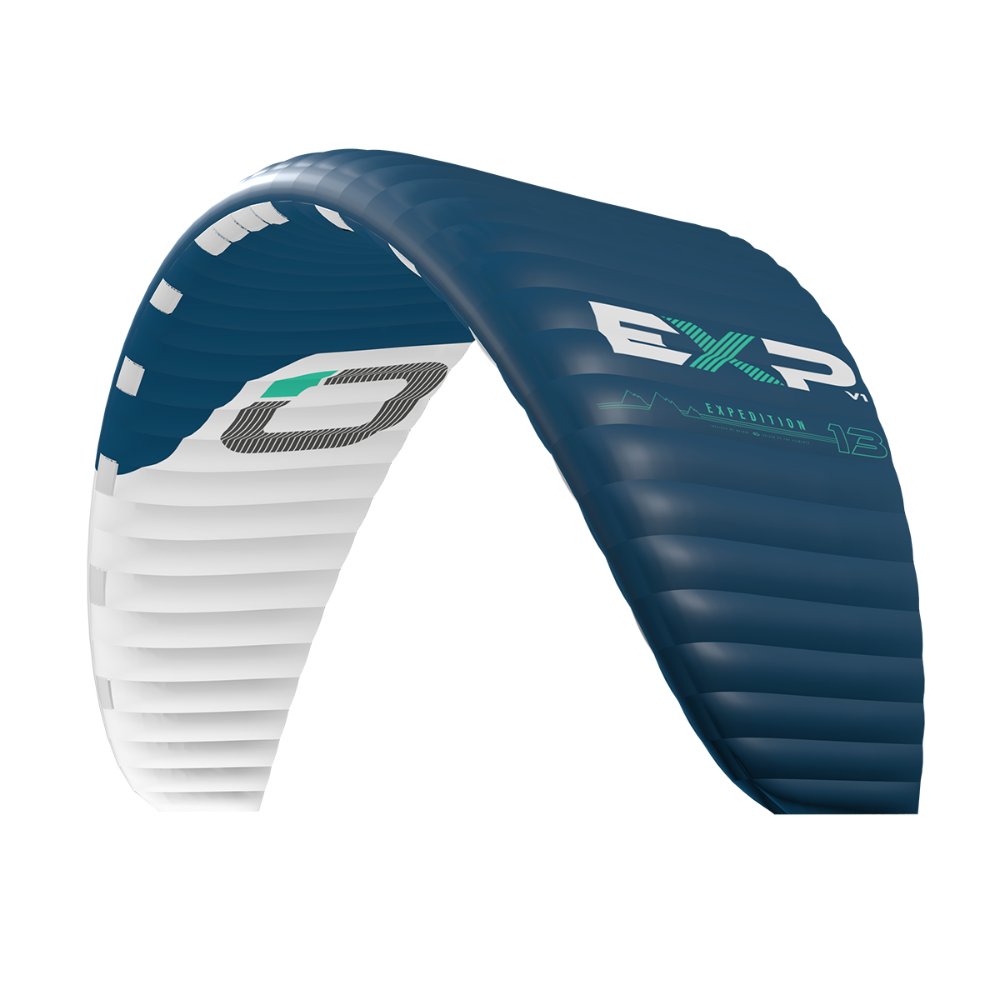
Ozone EXP Review: An Open-Cell Kite for Expeditions and Multi-Day Winter Tours
The EXP is Ozone's top open-cell foil kite for high altitude and self-supported travel. Six sizes to 18 m, from 1.5 kg, aspect ratios to 6.24. What separates an expedition kite from an ordinary snow kite.

Foil Kite vs Inflatable: An Honest Comparison From Both Sides
Weight, light wind, safety, relaunch, repair, price and luggage — seven parameters where foil kites and inflatables genuinely differ. No winner: each owns its own territory.
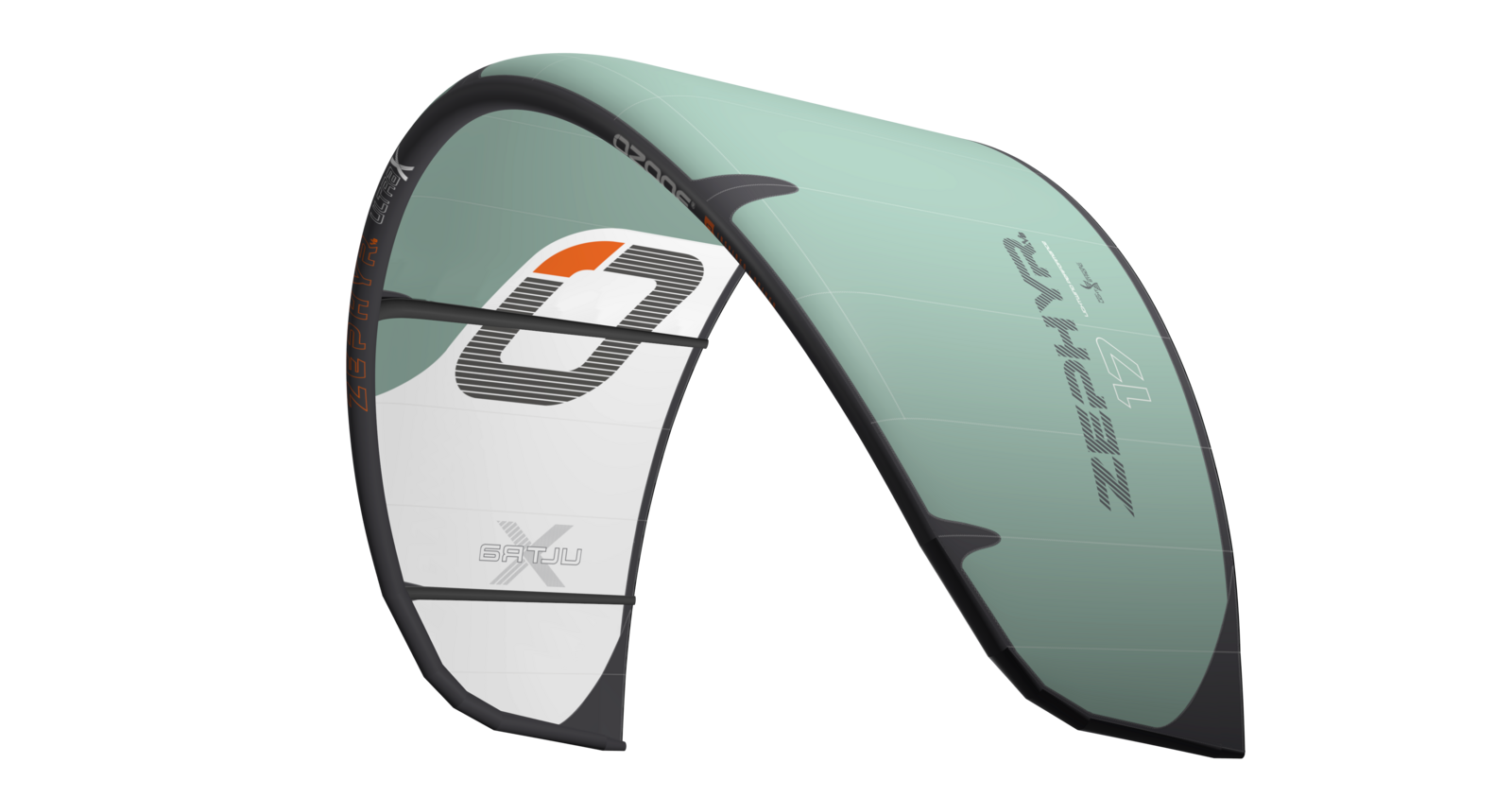
Ozone Zephyr V8 Ultra-X Review: Seventeen Metres Against the Calm
The Zephyr comes in one size only: 17 m. Why a kite that big runs an aspect ratio of 4.9, why it weighs 3.5 kg, and who needs a light-wind kite at all.

Ozone Foil Kites: The Whole Range From Explore to R1
Explore, Hyperlink, Alpha, R1, EXP — five Ozone foil kites with five different jobs. Sorted by aspect ratio, weight and purpose, so you can find yours.
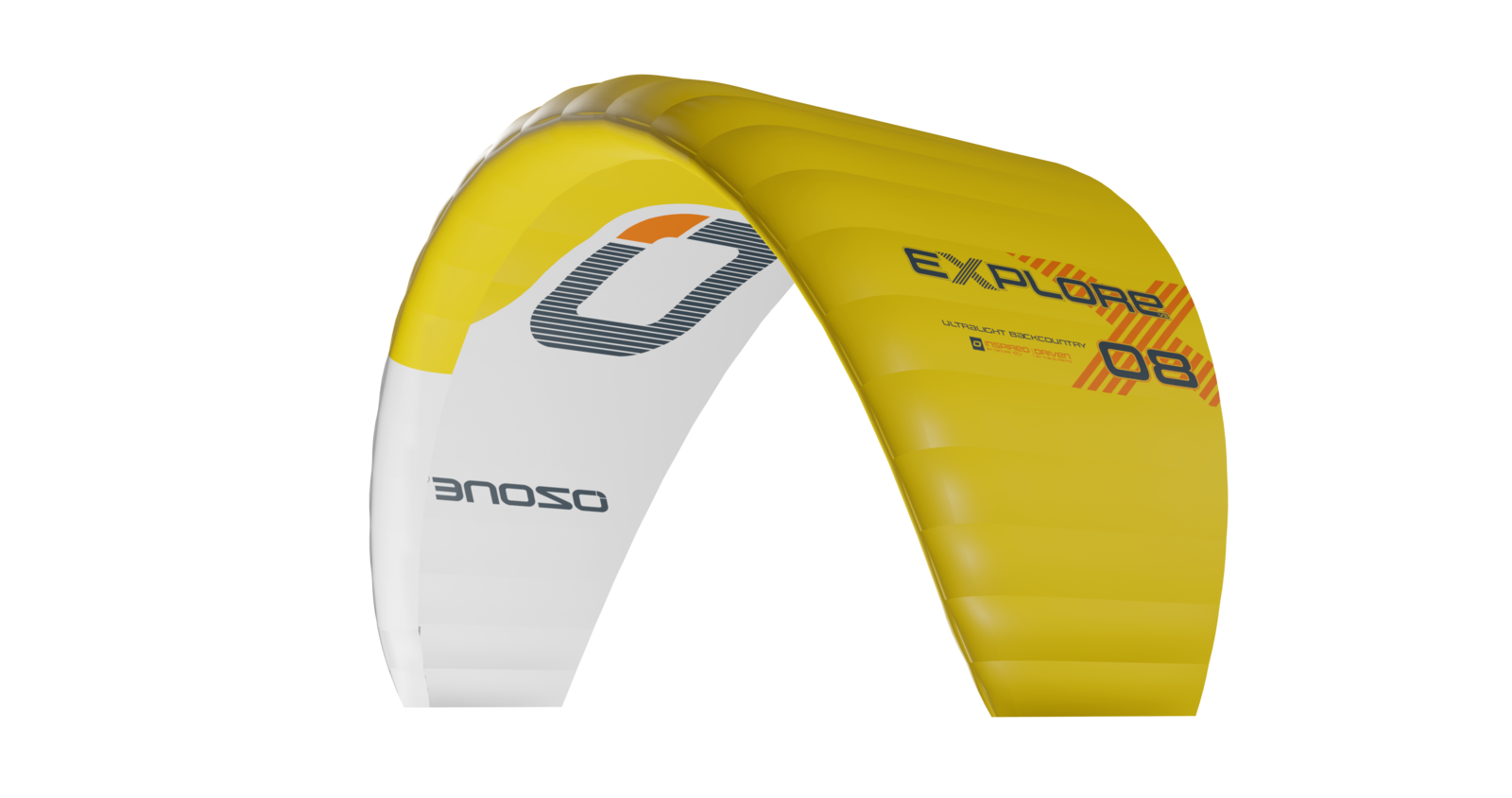
Ozone Explore V3 Review: The Single-Skin Kite People Start Snowkiting On
The Explore V3 is Ozone's most affordable foil kite: five sizes from 4 to 12 m, rated beginner and up, 25 cells and a single-skin profile. What single-skin buys you, and who it is enough for.
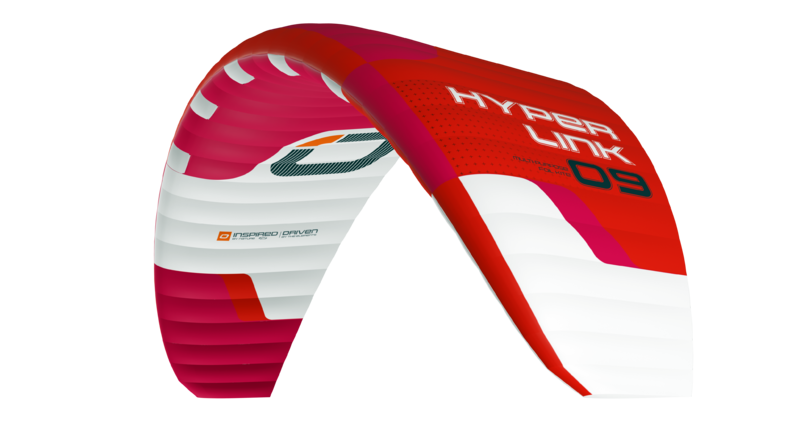
Ozone Hyperlink V4 Review: One Foil Kite for Water and Snow
The Hyperlink V4 runs as a closed-cell four-line kite on water and converts to open-cell five-line mode for the mountains. How that works, and whether one all-rounder beats two specialists.
Ozone Vortex V2 Ultra-X vs Edge VT: Two Approaches to Big Air
Their aspect ratios are nearly identical — 5.35 against 5.41. So the difference lies elsewhere. A spec-by-spec look at what actually separates Ozone's two flagship kites.
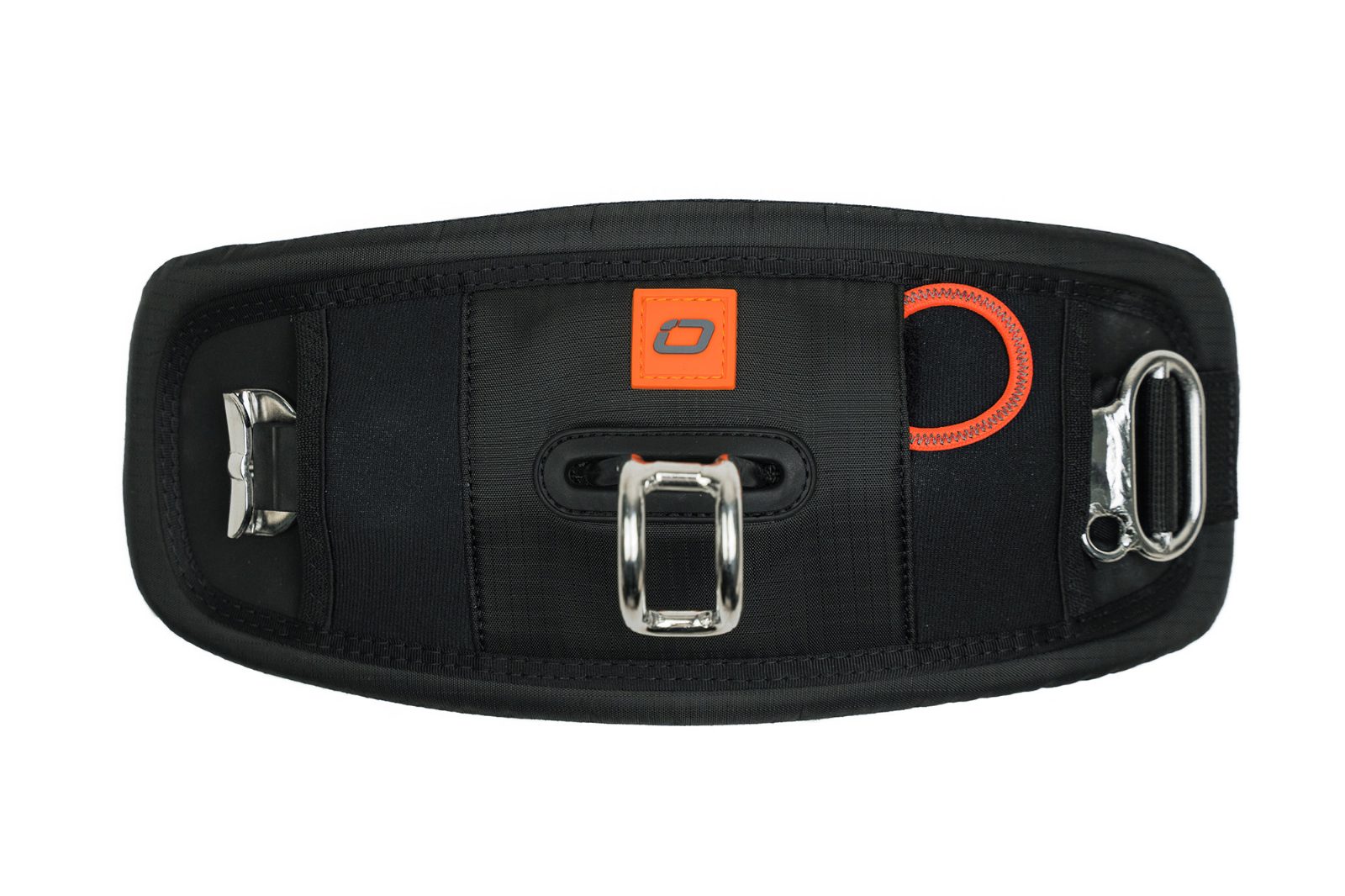
Ozone Connect Waist V4 Review: Seven Sizes, and Why That Beats Any Spec
A harness is the one piece of kit touching you for the whole session. A look at the Connect Waist V4: seven sizes, an ultralight build, recycled materials — and how to find your size.
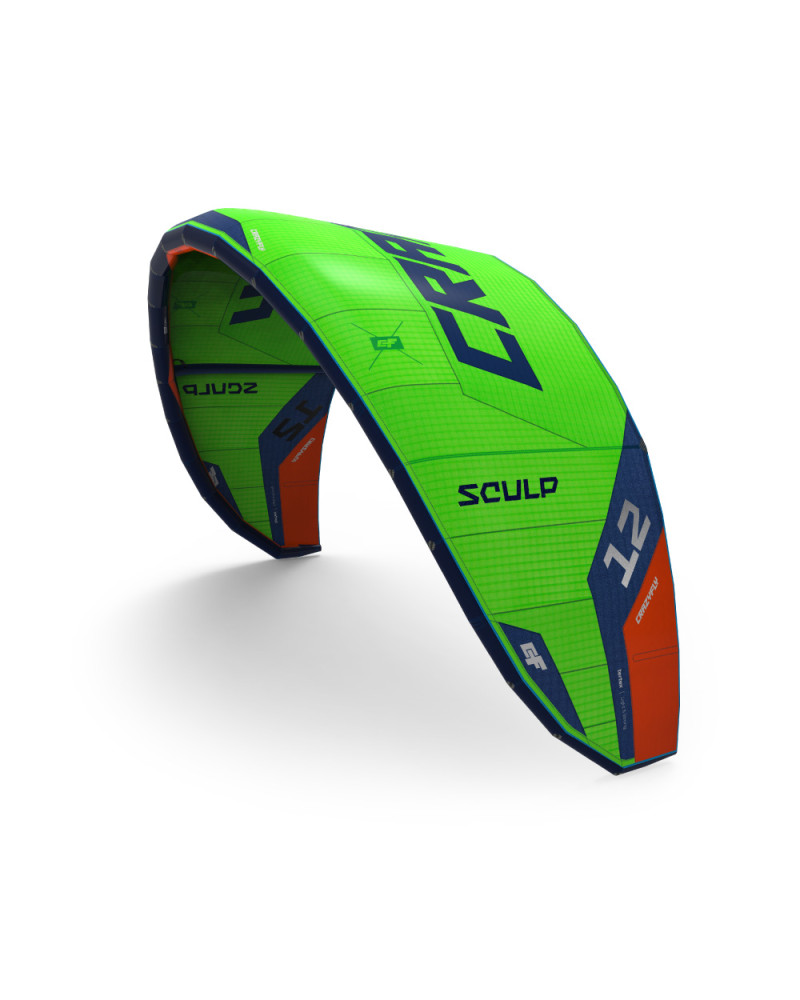
CrazyFly Sculp 2026 Review: The Bestseller That Outlives Trends
The Sculp is the oldest kite in the CrazyFly line and the best-selling one. We look at the 2026 version: a 9–40 knot range, three struts, six sizes, and an honest answer on who it suits.
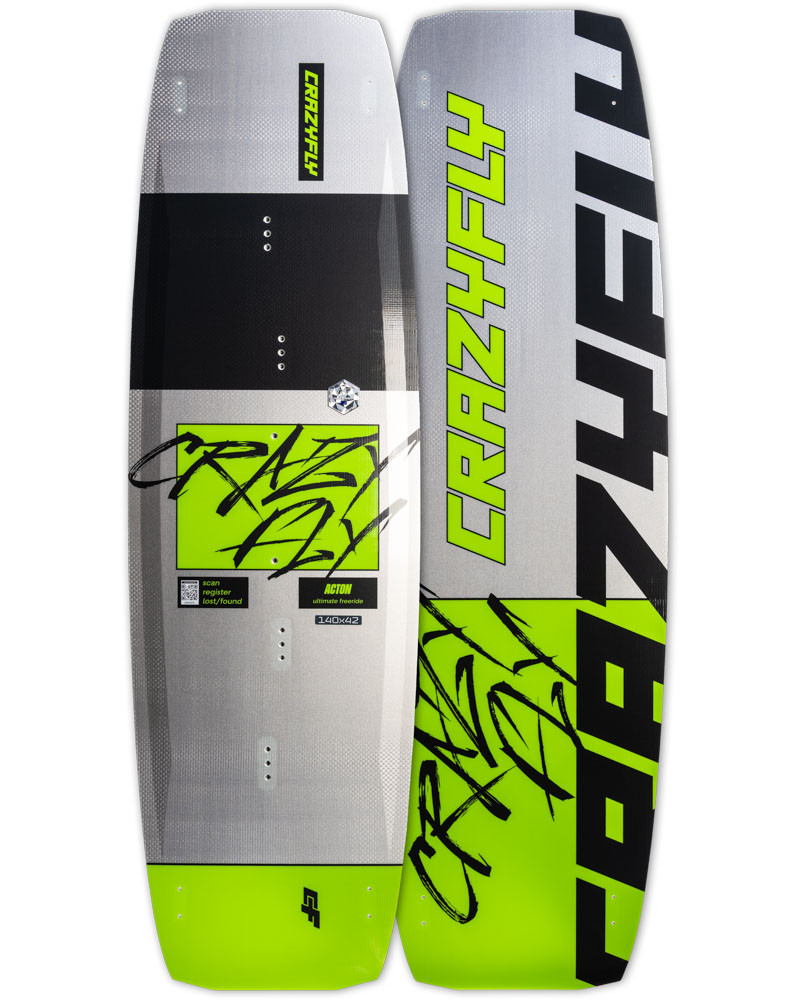
CrazyFly Acton 2026 Review: A Board That Stays Out of Your Way
The Acton is CrazyFly's most affordable twintip: three sizes, one price, a forgiving character. What makes it cheaper, where the savings actually are, and who it suits.
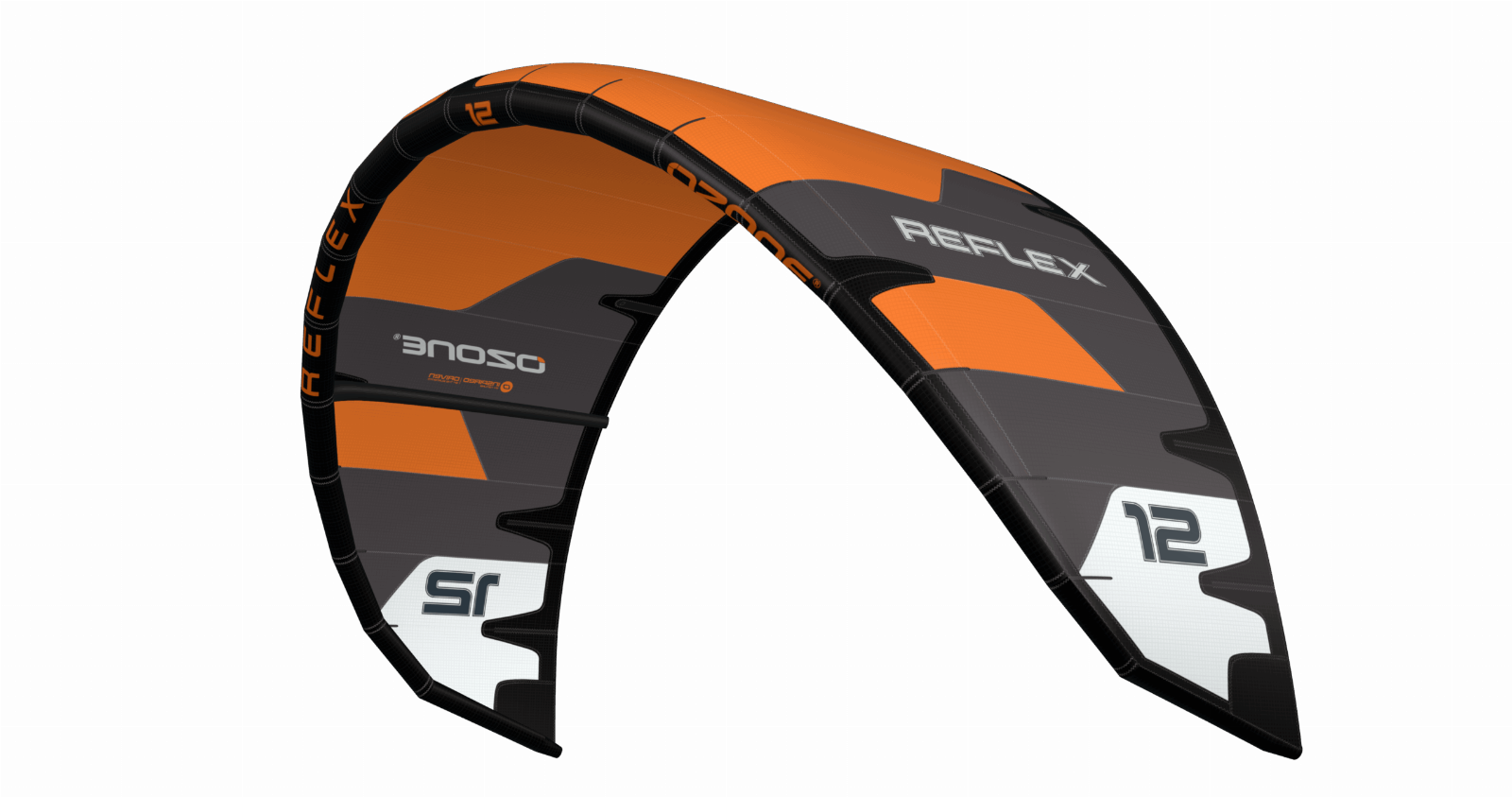
Ozone Reflex review: an all-rounder with big-air manners
Ozone's kite between the wave-oriented Reo and the race-oriented Edge: 4.9–5.2 aspect ratio, 18 segments, sizes from 5 to 13 m². Why aspect ratio grows with size, who it suits and who should buy a specialist instead.
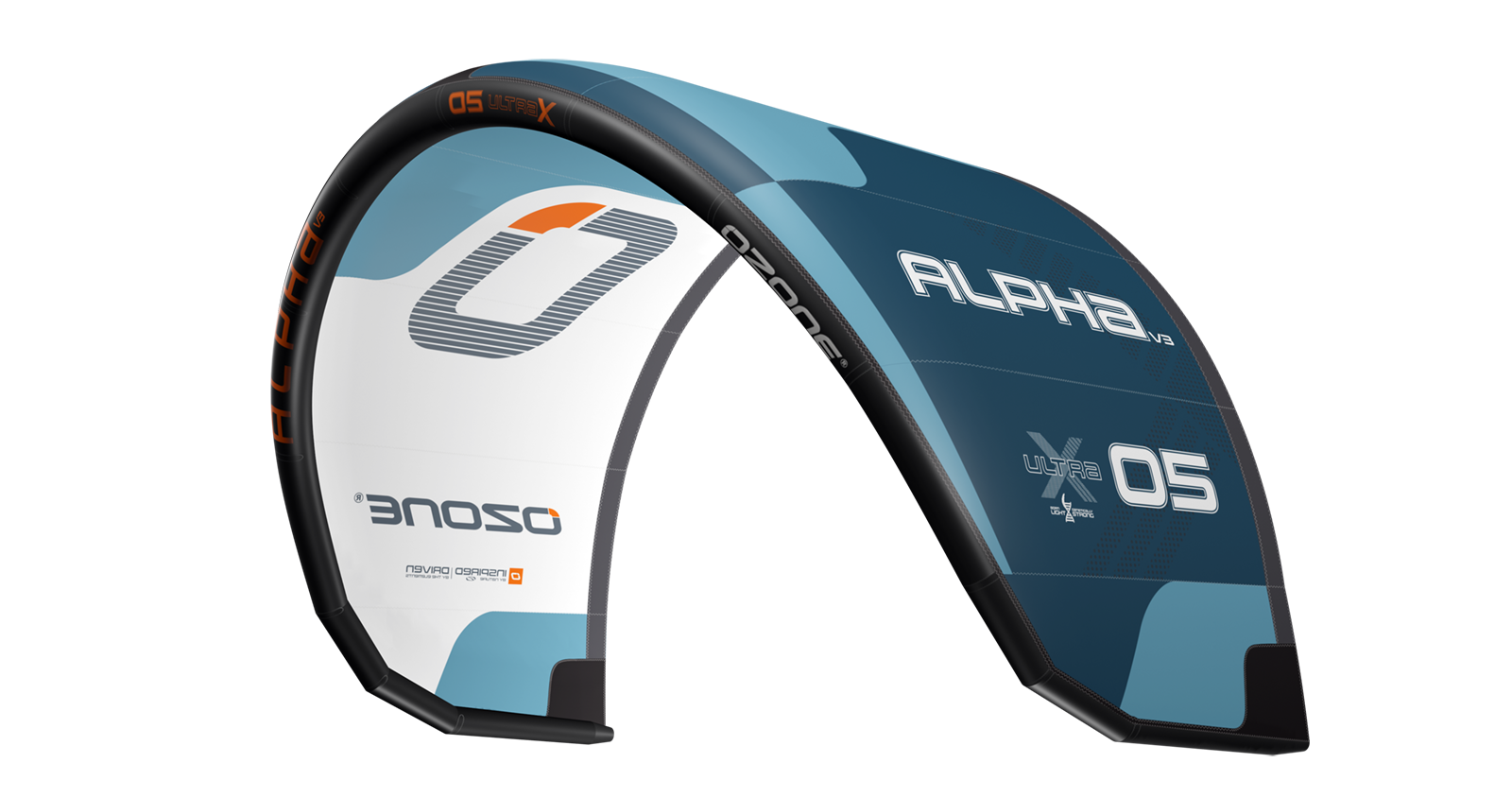
Ozone Alpha V3 Ultra-X review: a single-strut kite for light wind
Eleven sizes from 4 to 16 m², one strut instead of three and Ultra-X cloth. What the low weight does on the water, why the size ladder is so wide, and who it does not suit.
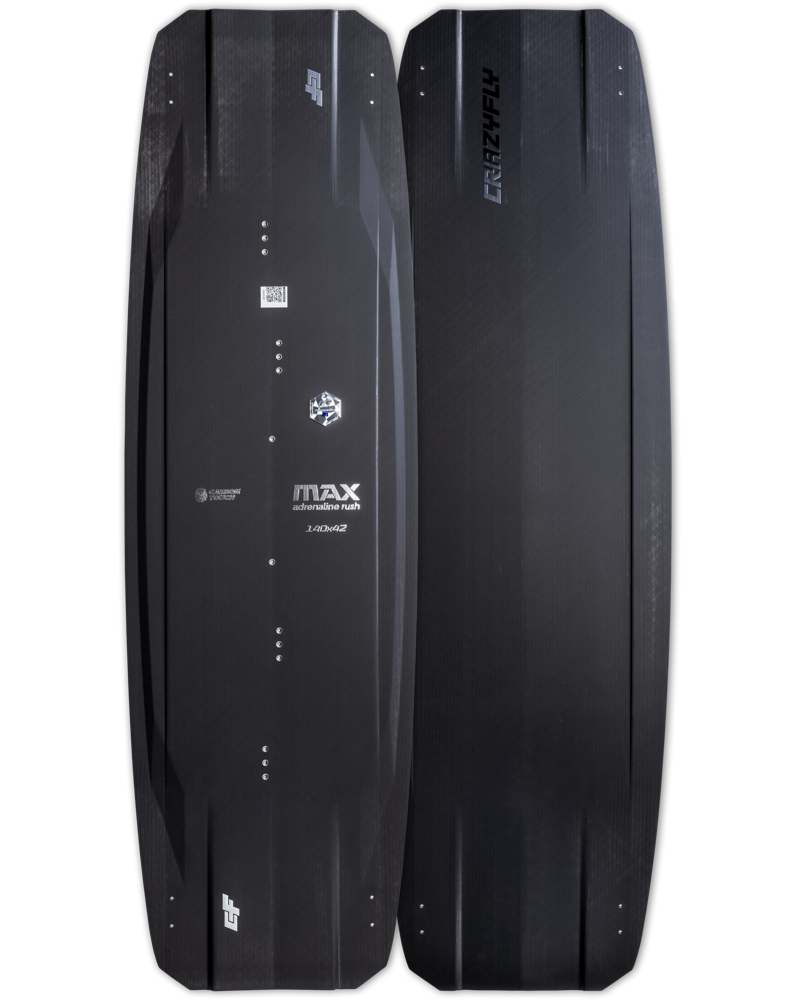
CrazyFly Elite V vs Max 2026: which board is for whom
Full-carbon Elite V for freestyle and big air against the light-wind Max: 600 grams of difference, what that changes on the water, and the three questions that decide it — plus who should buy neither.
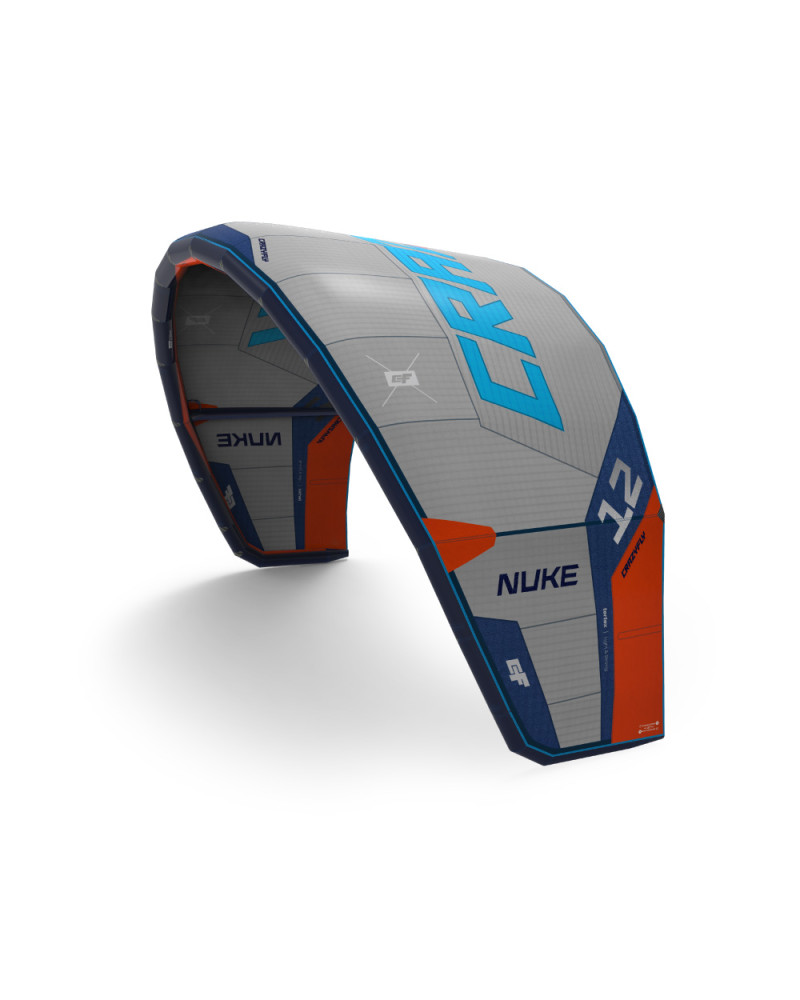
CrazyFly Nuke 2026 review: big air and three struts
CrazyFly's big-air kite: three struts, a claimed 12–43 knot range, sizes from 6 to 12 m². What the stiff construction buys you, how to read that range, and who does not need a Nuke.
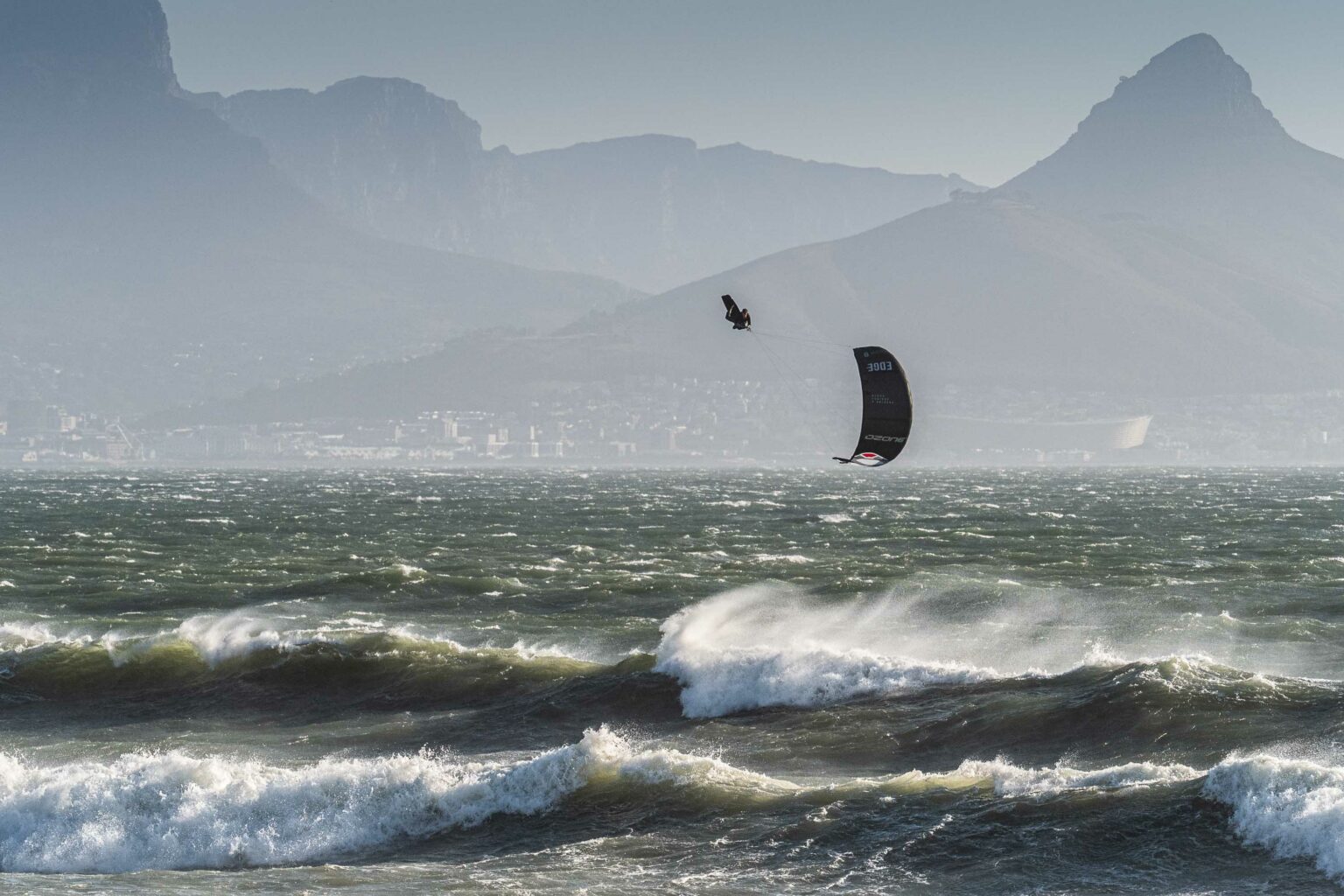
Ozone brand review: their own factory, versions instead of model years, and foil kites
A full look at Ozone: why the brand has no model years, what owning a factory in Vietnam actually changes, how Ultra-X differs from the standard version, which model suits whom — and who should buy something else.
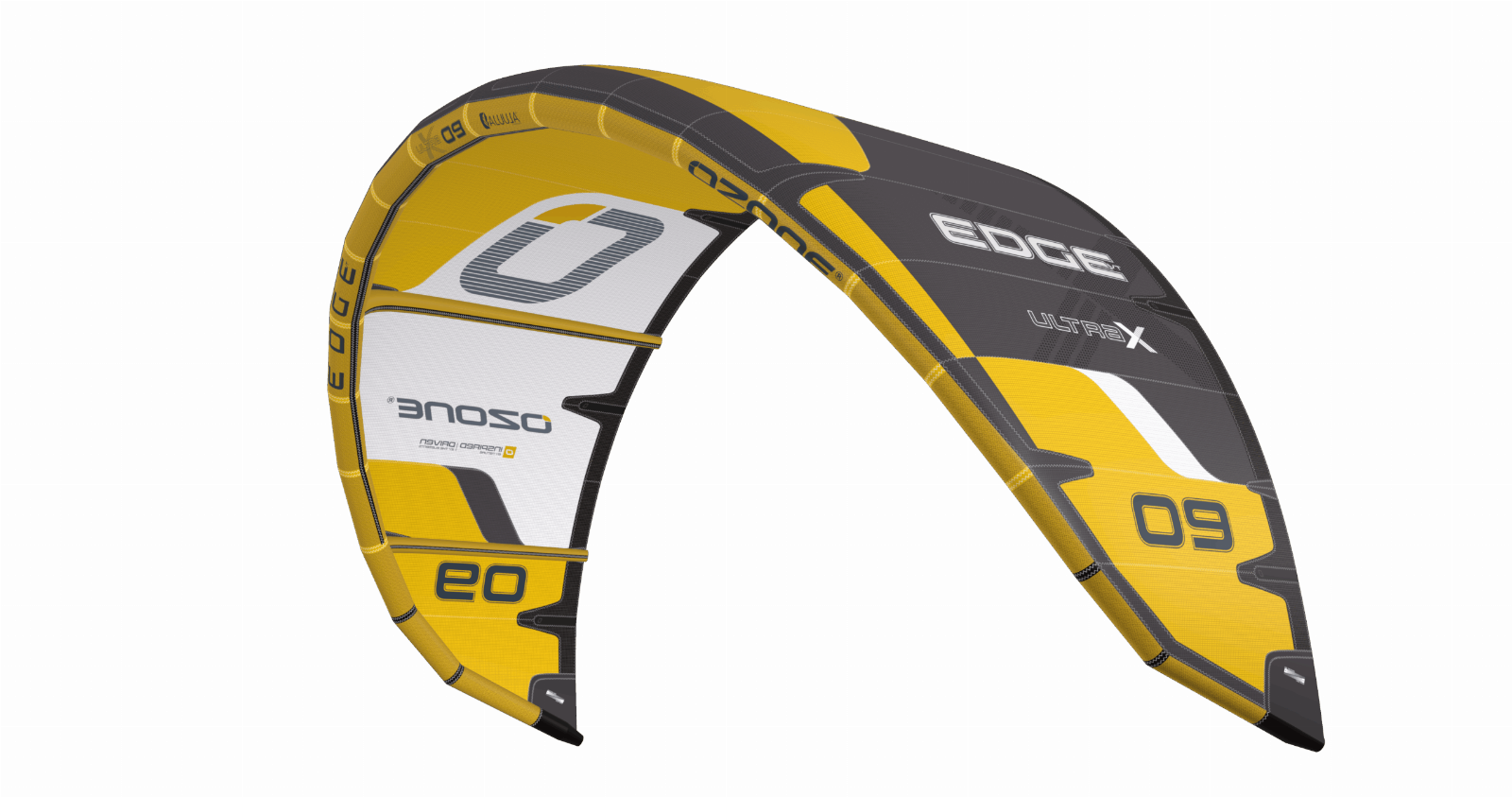
Ozone Edge VT Ultra-X review: speed, upwind and hang time
Ozone's high-aspect kite in lightweight cloth: 18 leading-edge segments, 5.41 flat aspect ratio, sizes from 7 to 18 m². What Ultra-X changes, how to choose a size, and why this is not a first kite.
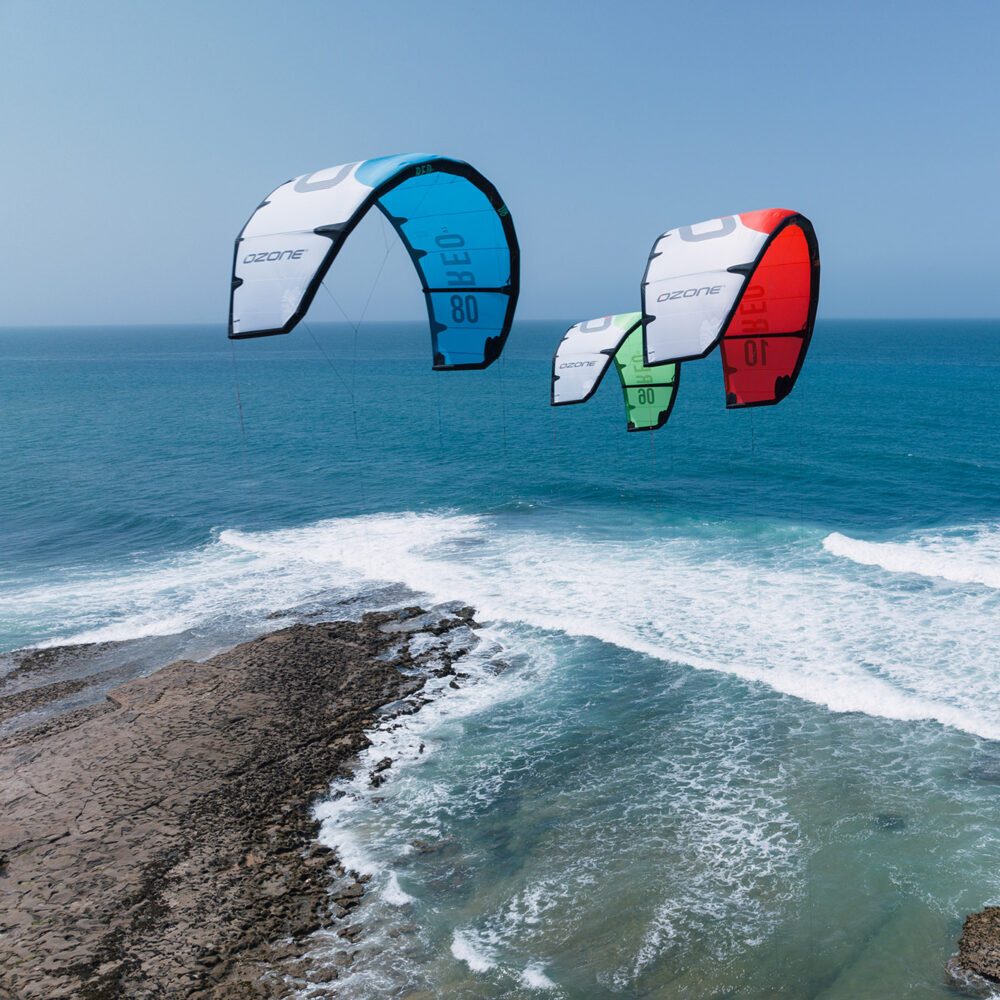
Ozone Reo V7 review: a wave kite with real drift
Ozone's seventh-generation wave kite: 14 leading-edge segments, 4.2 flat aspect ratio, sizes from 4 to 12 m². Why low aspect ratio is an advantage here, what Ultra-X changes and who does not need a Reo.
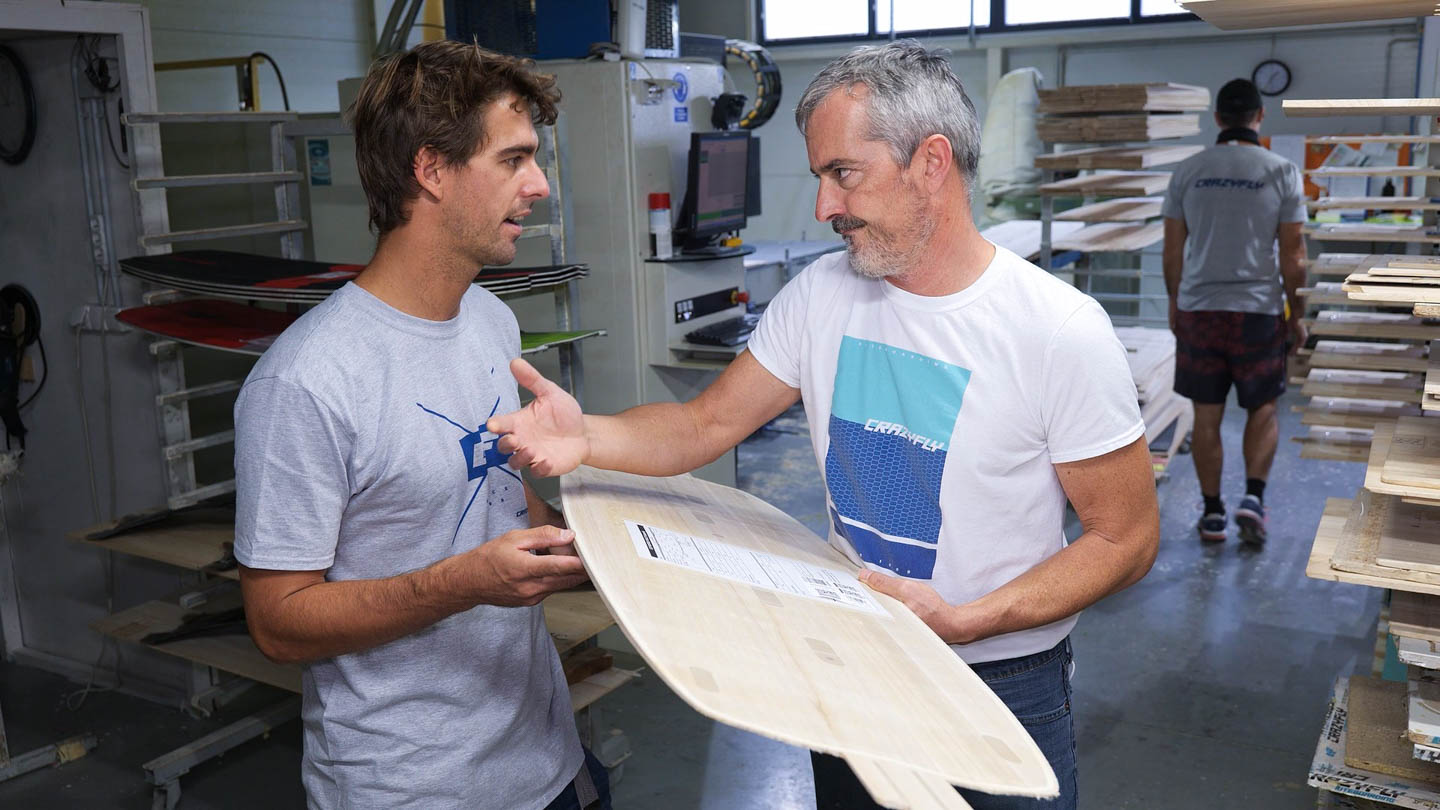
CrazyFly Review: Kites, Boards and Foils from a European Factory
CrazyFly is a family-run Slovak brand that has built kites, boards, bars, foils and bindings in its own European factory since 1999. We break down the Sculp, Nuke, Raptor and Elite ranges and help you choose for your level.
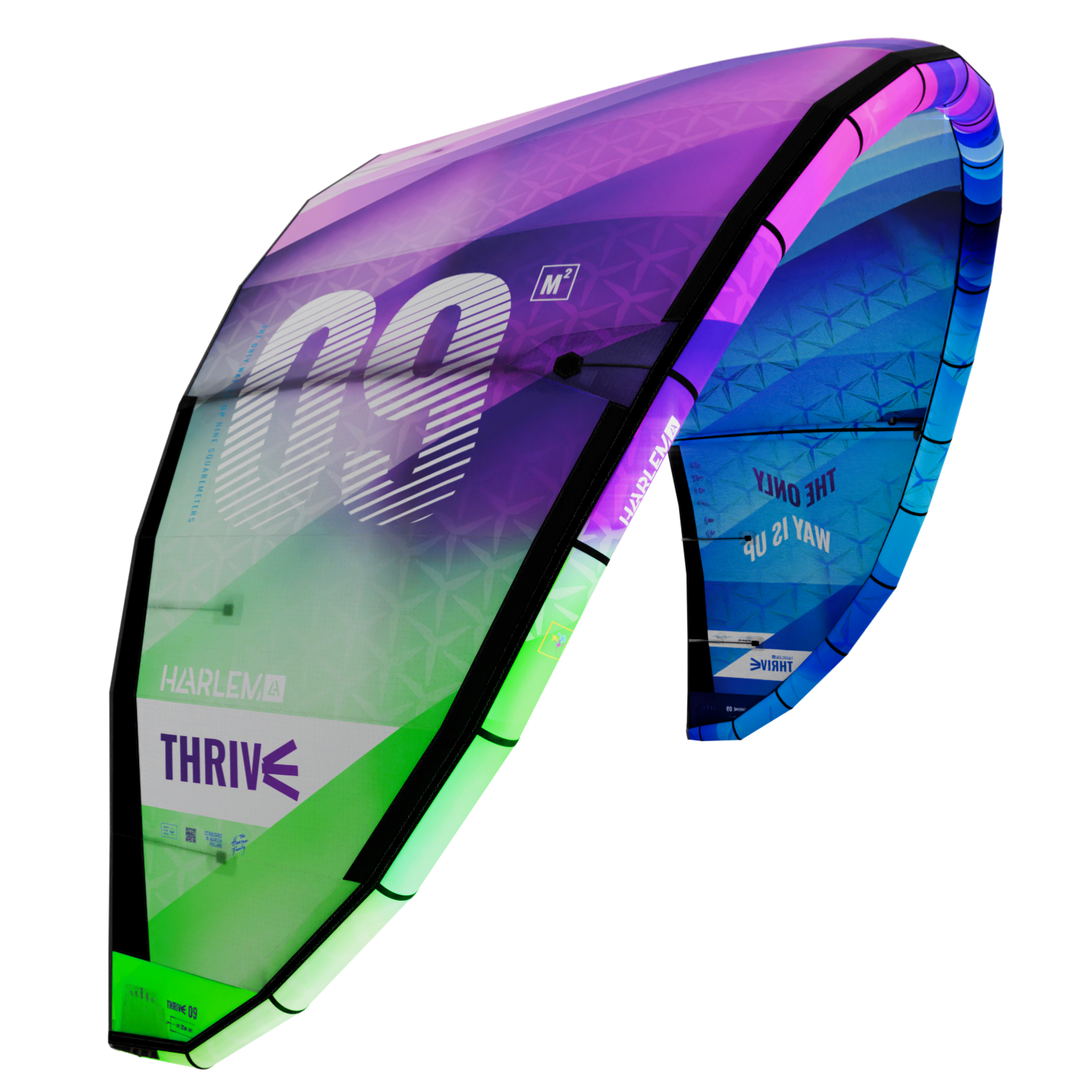
Harlem Thrive Review: The All-Round Kite That Grows With You
A hands-on review of the Harlem Thrive — a 3-strut all-round kite for learning, freeride and first jumps. Sizes 5–17 m, how to pick yours, and how the LiteX differs.
How to Choose Your First Kite: Size, Type and Brand
Choosing a first kite without the marketing: why you shouldn't buy before your first course, how size depends on weight and wind, the difference between bow, delta and hybrid canopies, and what to check on a used kite.

Ozone Catalyst V5 Review: The All-Rounder Built for Progression
A full review of the fifth-generation Ozone Catalyst: all 18 technologies, how it behaves on the water, specs, sizing, colourways, lead times and the Contact Water V5 bar.
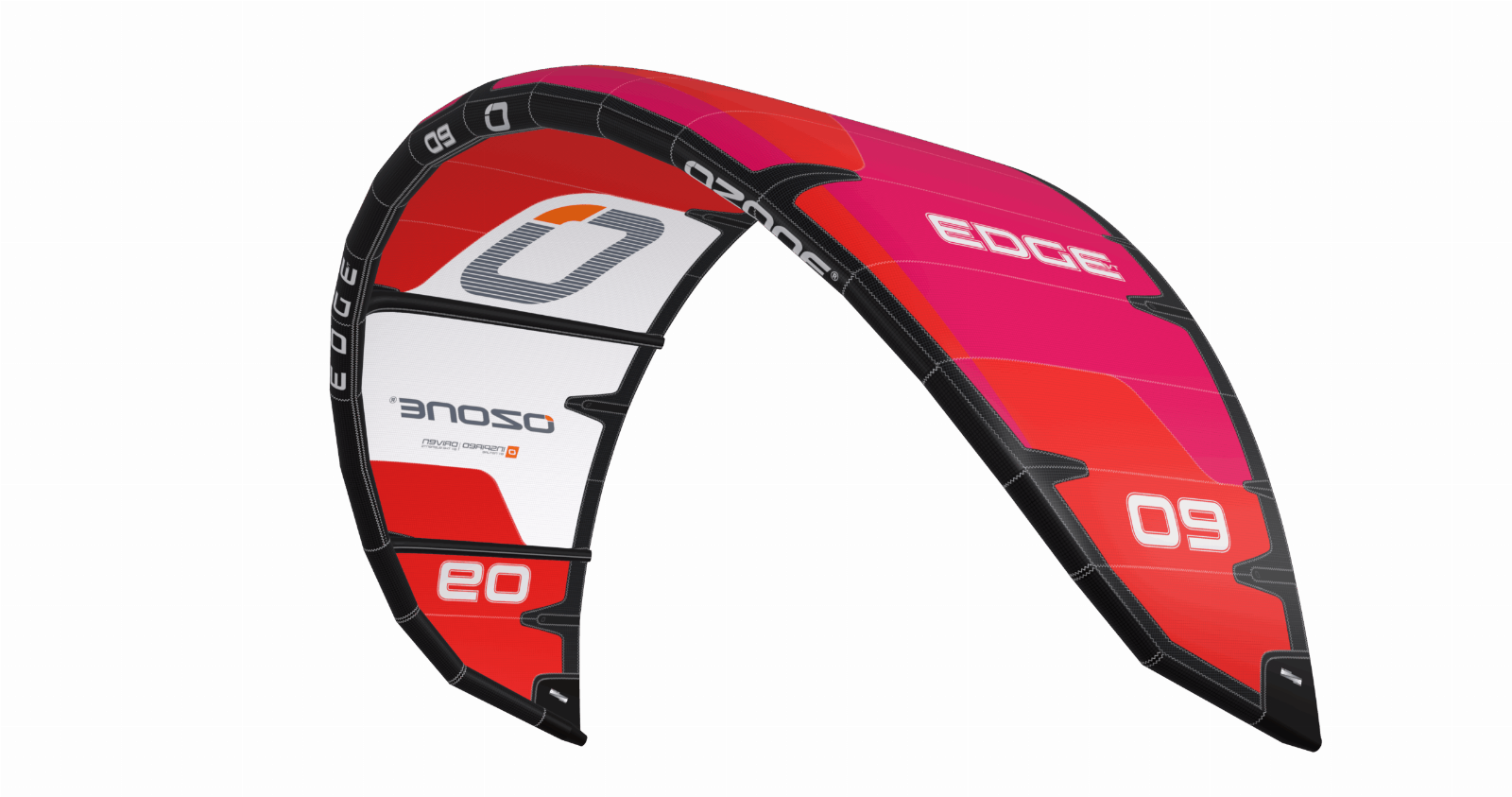
Ozone Edge VT review: the high-performance kite for speed, upwind and big air
The Edge has been Ozone's performance kite for years, and the VT generation refines rather than reinvents it. What it is built for, who should ride it, how it differs from the Ultra-X version and which sizes make sense.

SUP in Mui Ne: paddleboarding tours and rental in Vietnam
Flat morning water, sunset paddles along the dunes and coastal tours you can join with no experience at all. What SUP looks like in Mui Ne, who it suits and how it fits around a kite or surf trip.

Flysurfer wings compared: which model fits your riding
Mojo, Tao, Pow, Avid and Zap — what each Flysurfer wing is designed for, how they differ in stiffness, weight and handling, and how to choose sizes for your weight and wind.

The Best Surf Spots in Vietnam: Where to Go and When
Vietnam's five best surf spots — Mui Ne, Da Nang, Phan Rang, Vung Tau and Con Dao — with seasons, wave character and who each one suits.
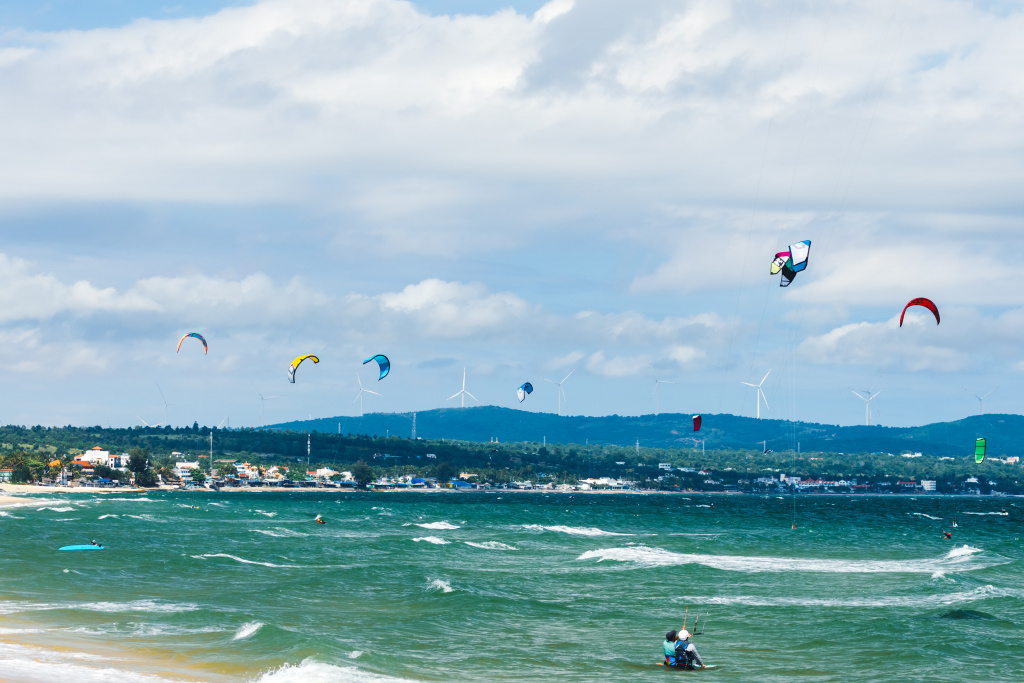
Mui Ne, Vietnam: kitesurfing in a place where summer never ends
Warm water all year, wind almost every day from November to April, a sandy beach you can stand up in and prices that do not ruin a trip. An honest look at what Mui Ne is and is not for a kitesurfer.

The best kitesurfing destinations in the world — and what each one is actually good for
Brazil, Egypt, Vietnam, Sri Lanka, Tarifa, Cape Town, Zanzibar and Mauritius compared honestly: season, conditions, cost and who each place suits. No spot is best at everything, and the marketing usually pretends otherwise.

A trip to Vietnam: beaches, dunes, mountains and what to see beyond the kite spot
What is worth seeing within reach of Mui Ne — the red and white dunes, the fishing harbour, Phan Rang, the Fairy Stream — and how to build a trip that combines riding with actually seeing the country.

Learning to surf in Mui Ne, Vietnam: how it works and when to come
Mui Ne has become one of the easiest places in Southeast Asia to learn surfing: a long sandy beach, soft summer waves and warm water all year. Here is how our lessons are structured, what the season looks like and what to expect from your first day on a board.

Kitesurfing in Vietnam: Why Mui Ne Is a Rider's Mecca
Why Mui Ne is one of the world's great kitesurfing destinations: the wind season, the spot, the costs and what learning to kite there actually looks like.
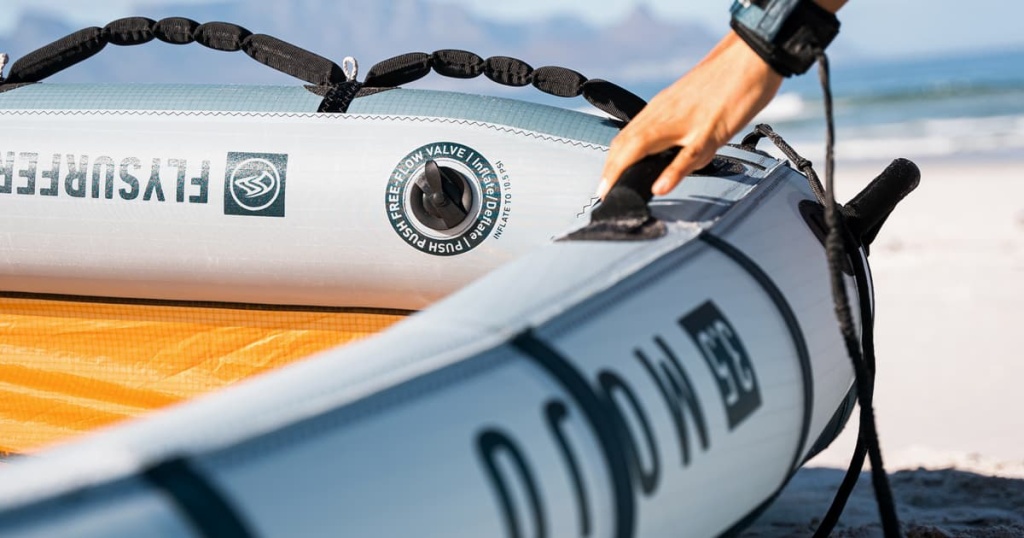
Flysurfer Mojo review: a stiff, balanced wing for surf and everyday riding
Sizes 2.8 to 7.0, two separate inflation valves, a forward and stable centre of pressure. What the Mojo is built for, who it suits, and what the design choices actually change on the water.

How to choose an F-One foil board: volume, size and what actually matters
Volume, length and width decide how easy a foil board is to get going and how well it flies once you are up. A practical guide to choosing between F-One's foil boards by your weight, level and discipline.
Snowkiting: where, when and who it is for
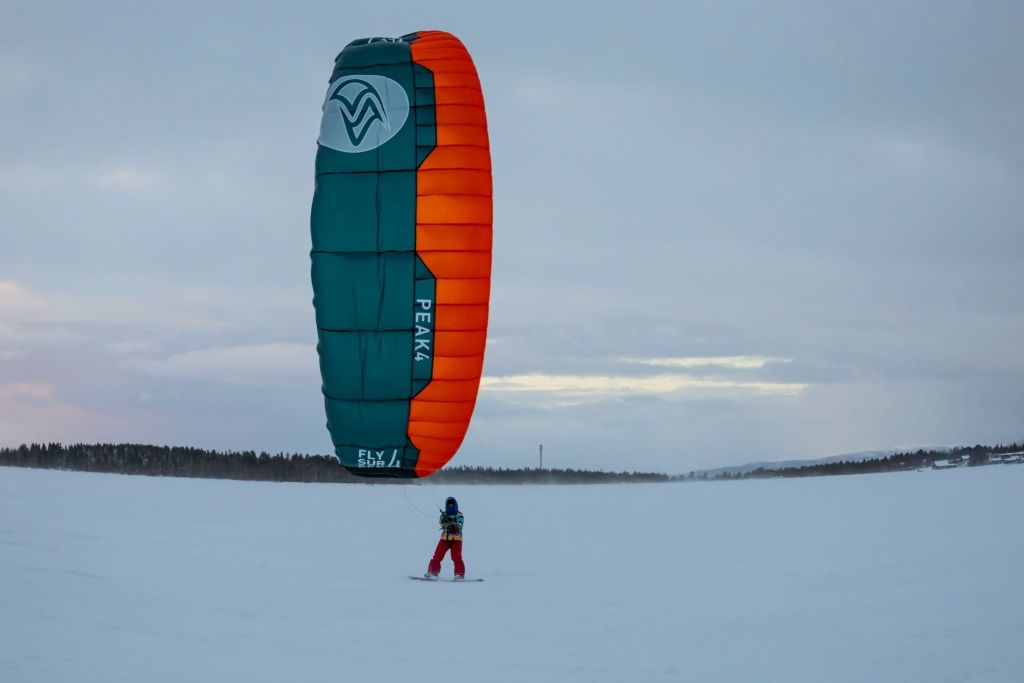
Kiting on snow is easier to learn than kiting on water, needs no lift pass and works anywhere with a frozen lake and open space. What the sport involves, how it differs from the water version and where the season is.

A kite camp in the tundra: what a winter trip to the Russian north is actually like
No lifts, no crowds, no trees — just wind, snow and horizon. What a week of snowkiting in the Murmansk region involves, who it suits and what to expect from the cold, the light and the company.
Kite spots of Crimea: where the wind works and what each place is like
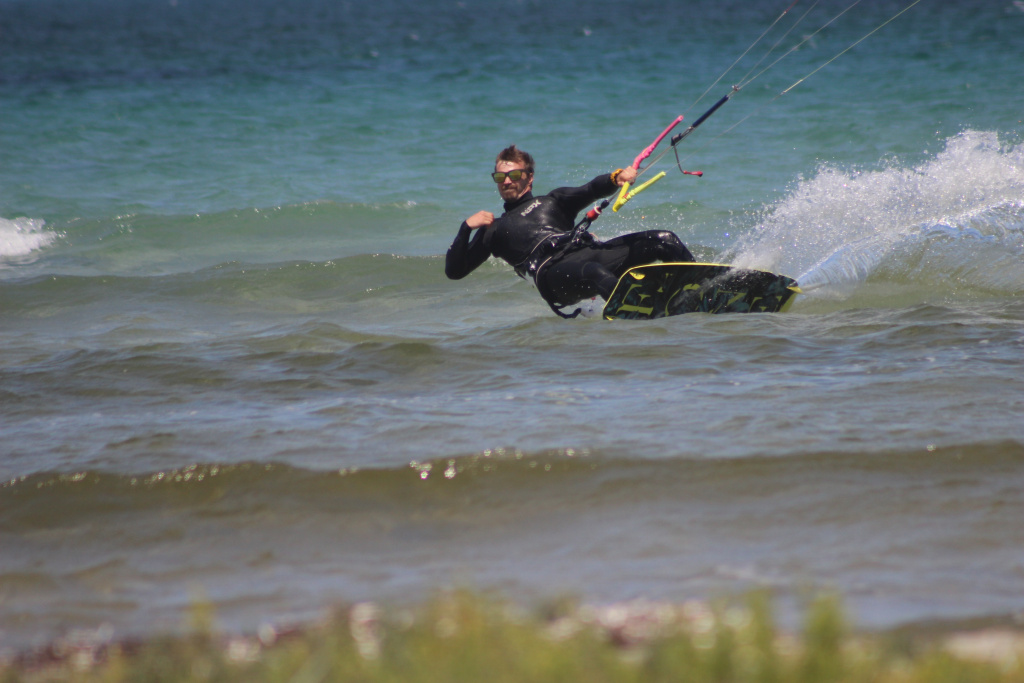
Donuzlav lagoon, Mezhvodnoye, Belyaus, Olenevka, Popovka and the eastern coast near Shchelkino — an honest review of Crimean kite spots, which suit beginners, and why the southern resorts do not.