
Ask instructors from different schools to name the one kite that covers a student's entire learning life, and the answer repeats itself suspiciously often: the Ozone Catalyst. The fifth version has not changed the model's philosophy — this is still the kite you are handed on your first lesson and do not give up for several seasons afterwards. At K1 we ride Ozone gear in Mui Ne every week, so this review is not a rewritten catalogue page: it is what we see on the water, plus a full breakdown of the manufacturer's material — technologies, media, specs, colours, lead times and the bar.
Where it sits in the Ozone range
Ozone divides roles cleanly: the Edge is speed and height, the Reo is waves, the Alpha is the light single-strut, the Enduro is the sporty all-rounder. The Catalyst's job in that company is progression: maximally predictable behaviour, tolerance of mistakes and honest feedback. That said, calling it a "beginner's trainer" would be unfair — riders with five years behind them are perfectly happy on it when enjoyment matters more than podiums.
Technology and construction
All eighteen features Ozone builds into the Catalyst V5, exactly as the manufacturer describes them, with our comments where they matter.
Every kite, wing, board, hydrofoil and paraglider the brand makes is sewn in its own factory in Vietnam (around a thousand staff). Each stage passes a manual quality check — two kites from different batches behave identically.
Canopies are calculated in Ozone's in-house CAD software, extended for each model: precise control over profile and loads, plus minimal fabric waste when cutting.
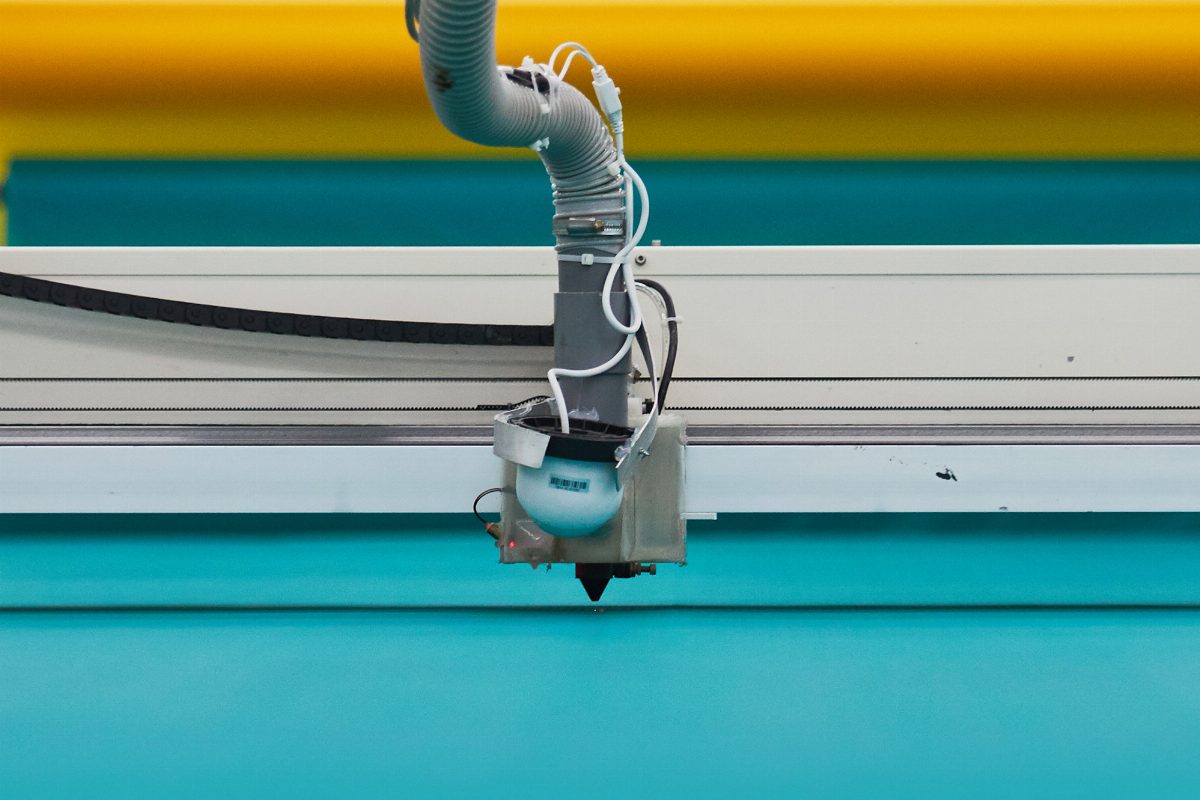
Every panel is laser-cut individually, strictly one layer of fabric at a time: consistent geometric accuracy, and a sealed edge that will not fray.
Teijin is the world leader in watersports fabrics. Triple ripstop with a special coating: strength, stiffness, longevity and a more direct response through the bar.
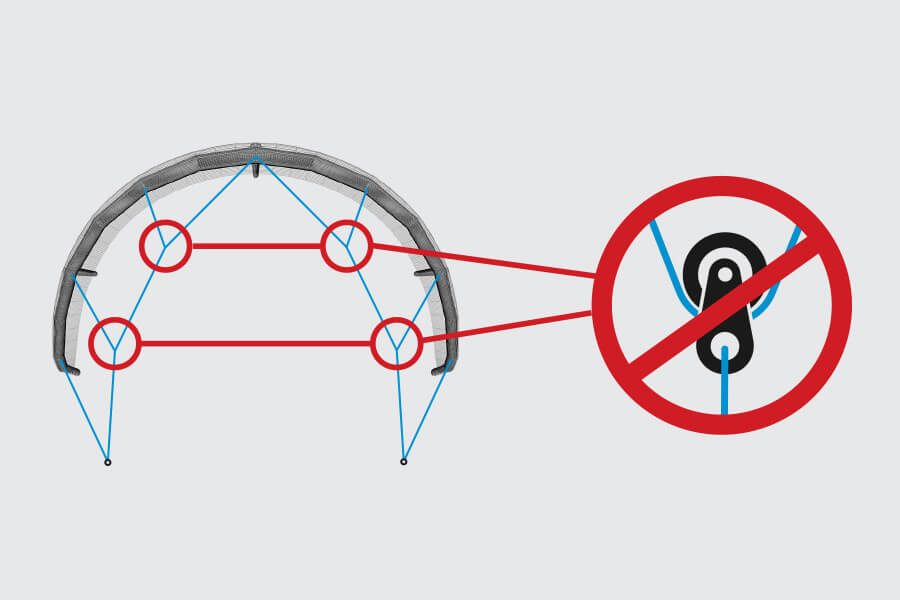
There is not a single pulley in the bridle: nothing to wear out or jam, direct feedback, minimal maintenance.
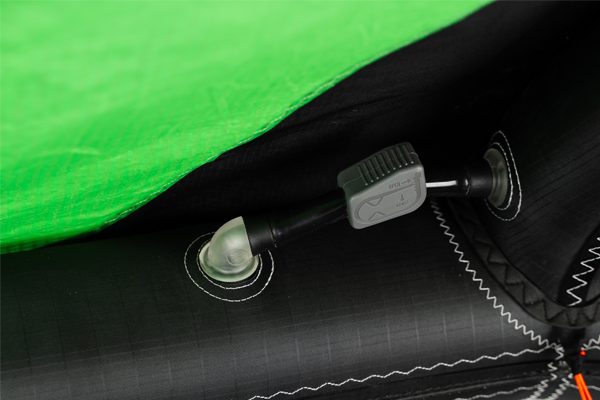
The struts are connected to the leading edge: the whole kite inflates through one valve in a couple of minutes — and deflates just as fast.
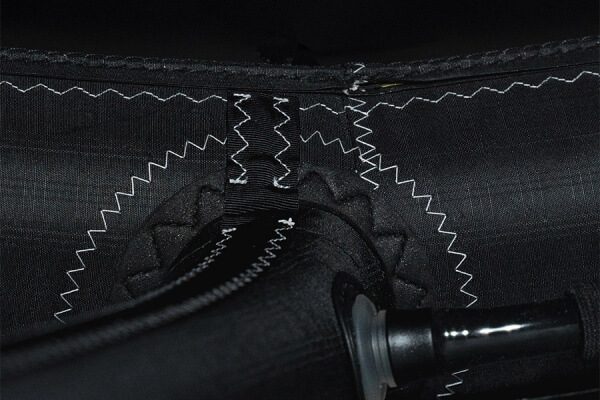
Extra reinforcement is hidden in the areas of highest load concentration: durability goes up, weight does not.
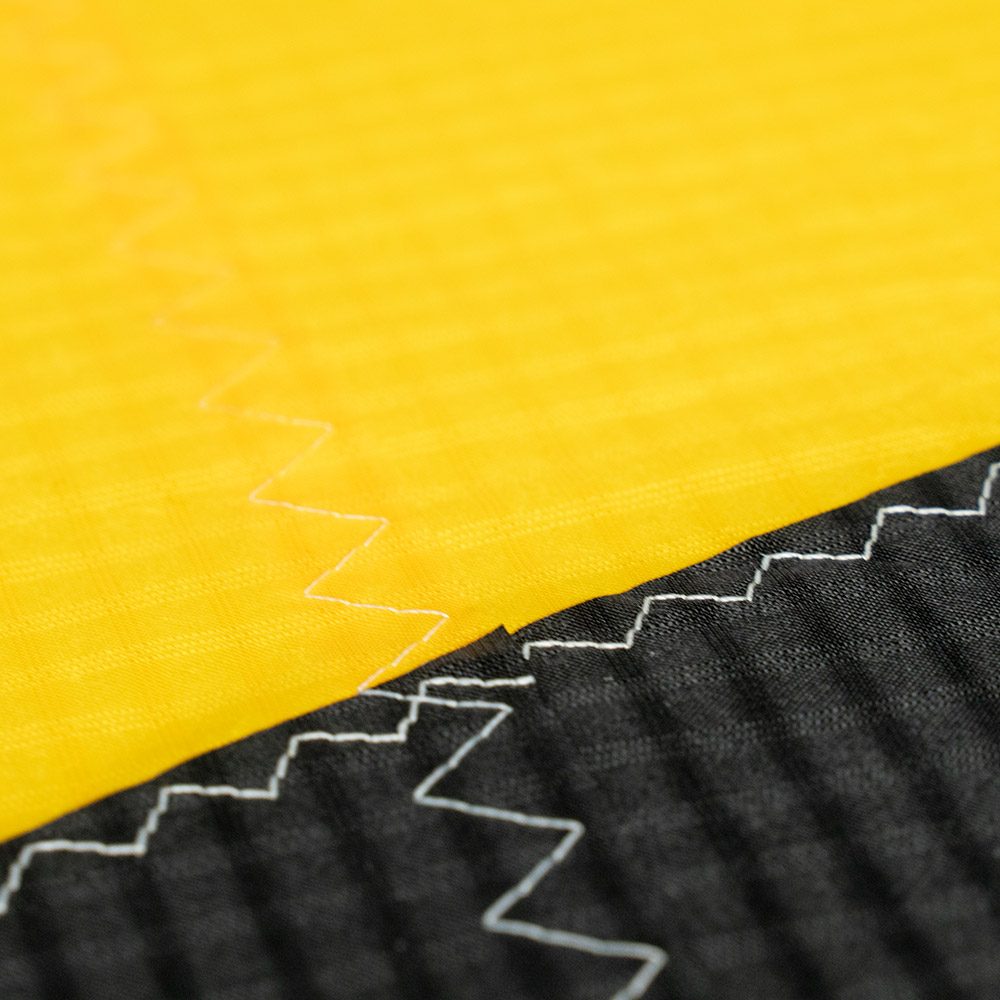
The panel joins are stronger than a classic seam, and the smoother surface disturbs airflow over the canopy less.
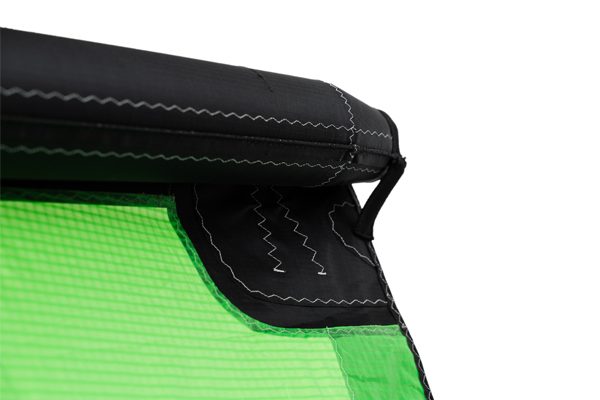
Bridle load is spread across a large area of fabric — the profile holds its shape even in hard gusts.
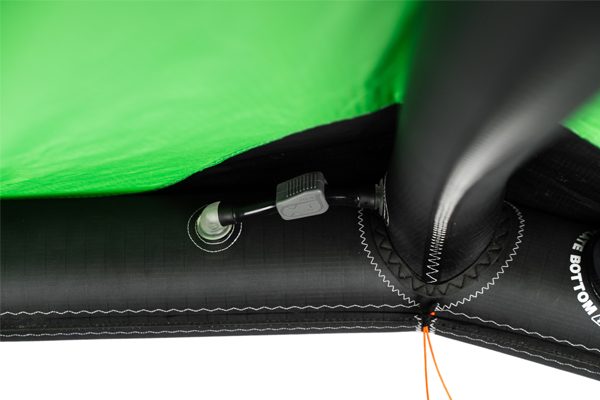
The strut attaches straight to the leading edge with no intermediate parts: stiffer and lighter at the same time.
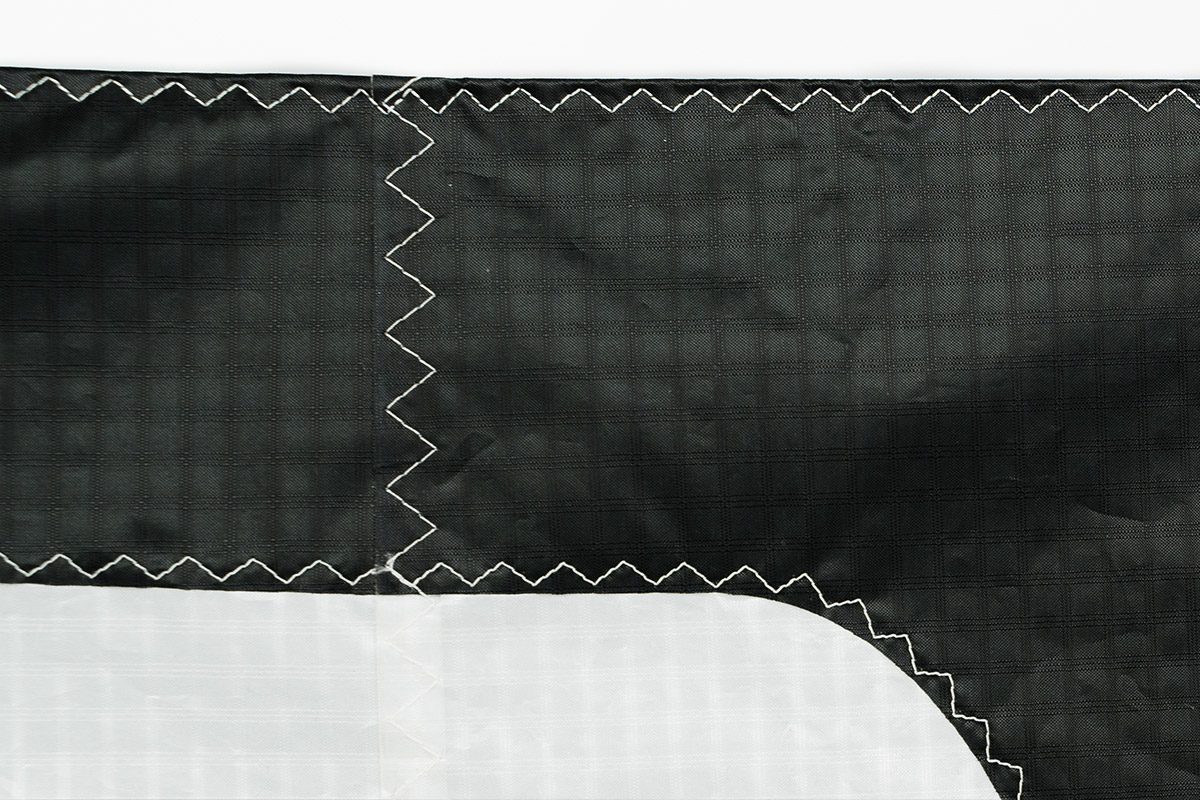
Damps canopy flutter — the main source of fatigue wear on a kite.
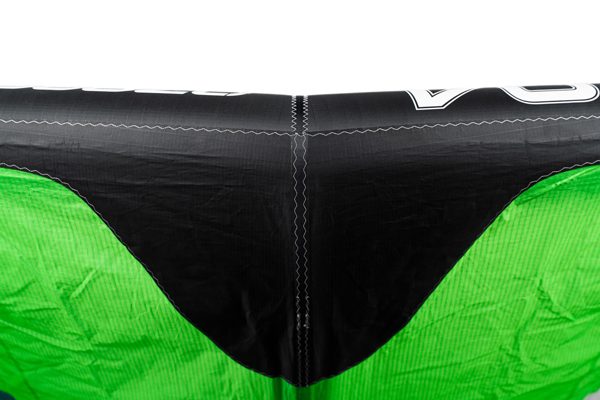
Protection where the kite actually lives: the contact zones with water, sand and the board.
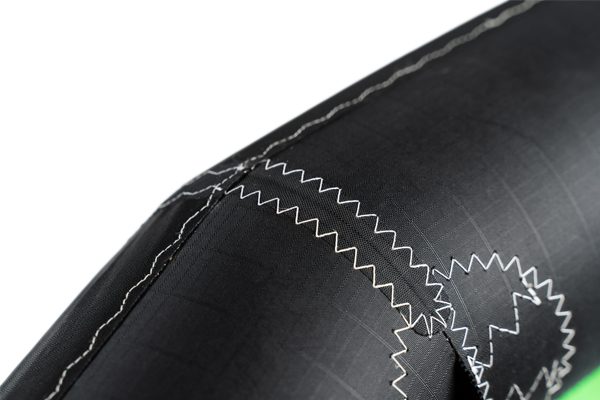
They protect the canopy during water starts and drags across the beach without adding drag.
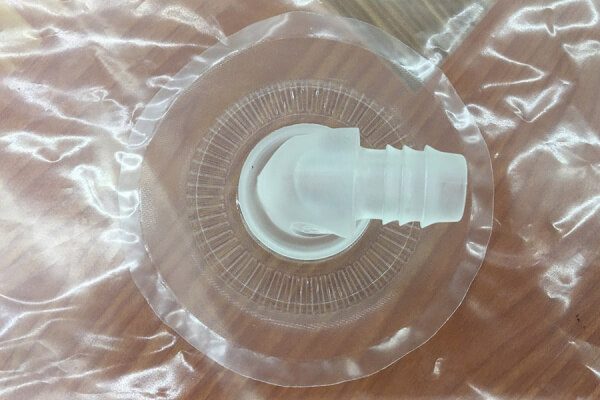
Bladders are fixed against migration, and if you puncture one it can be replaced quickly without stripping the whole kite.
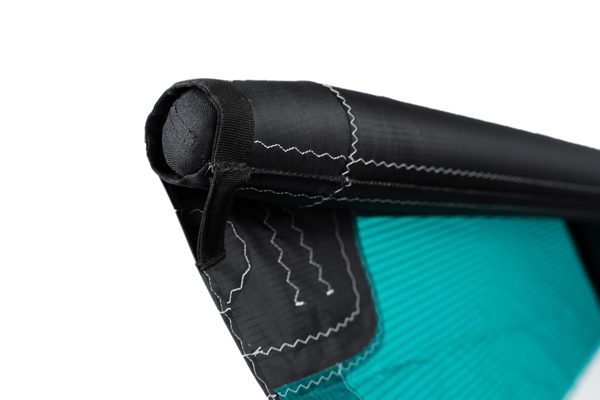
Deflectors on the wingtips stop lines catching on the kite during a water relaunch.
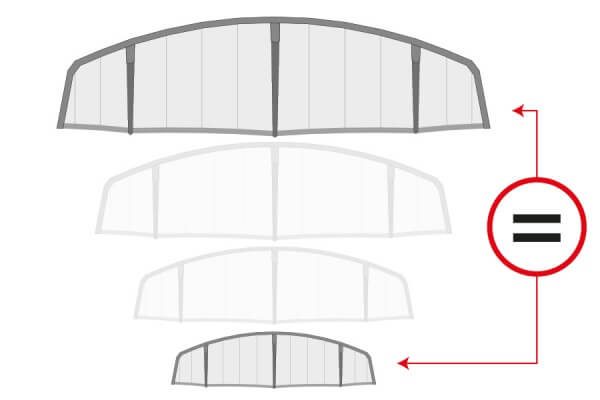
The kite feels equally honest across every size: smooth power, stability and predictable depower.
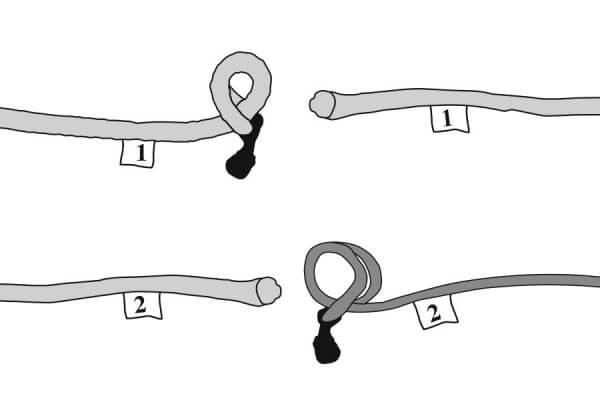
It is physically impossible to cross the line connections — particularly valuable the first time you rig on your own.
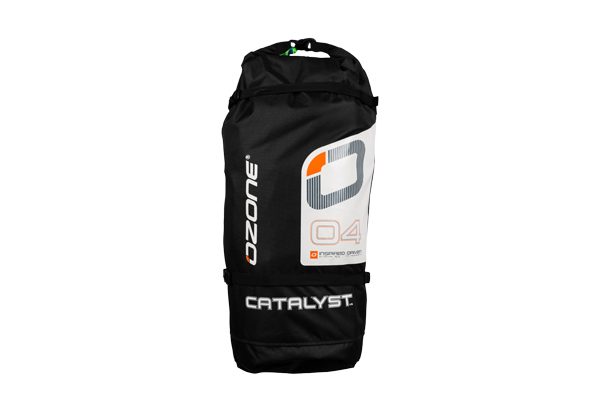
The kite ships in the branded Water Kite Technical Bag — easy to store and carry to the spot.
Media: the details and the kite at work
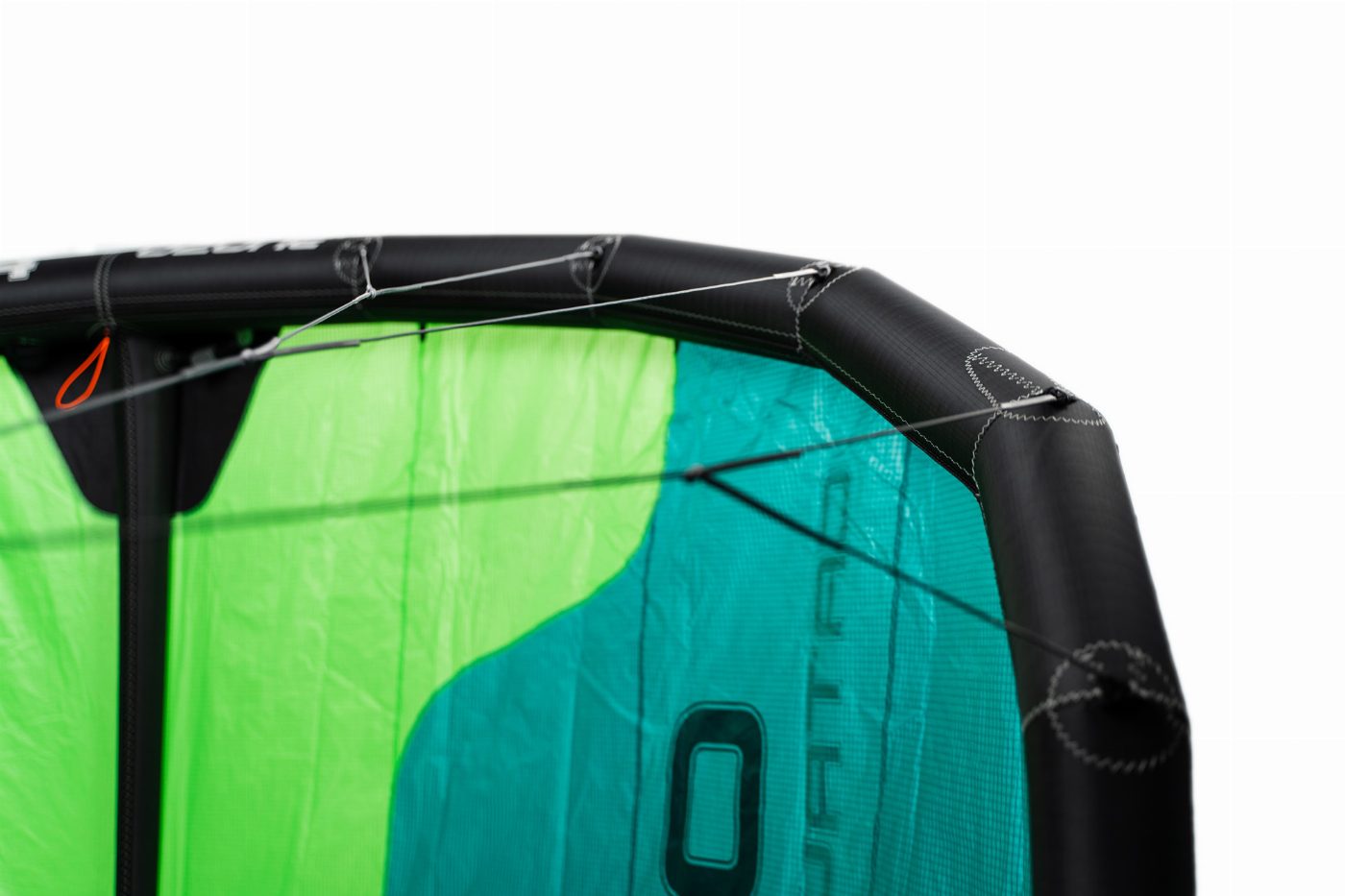
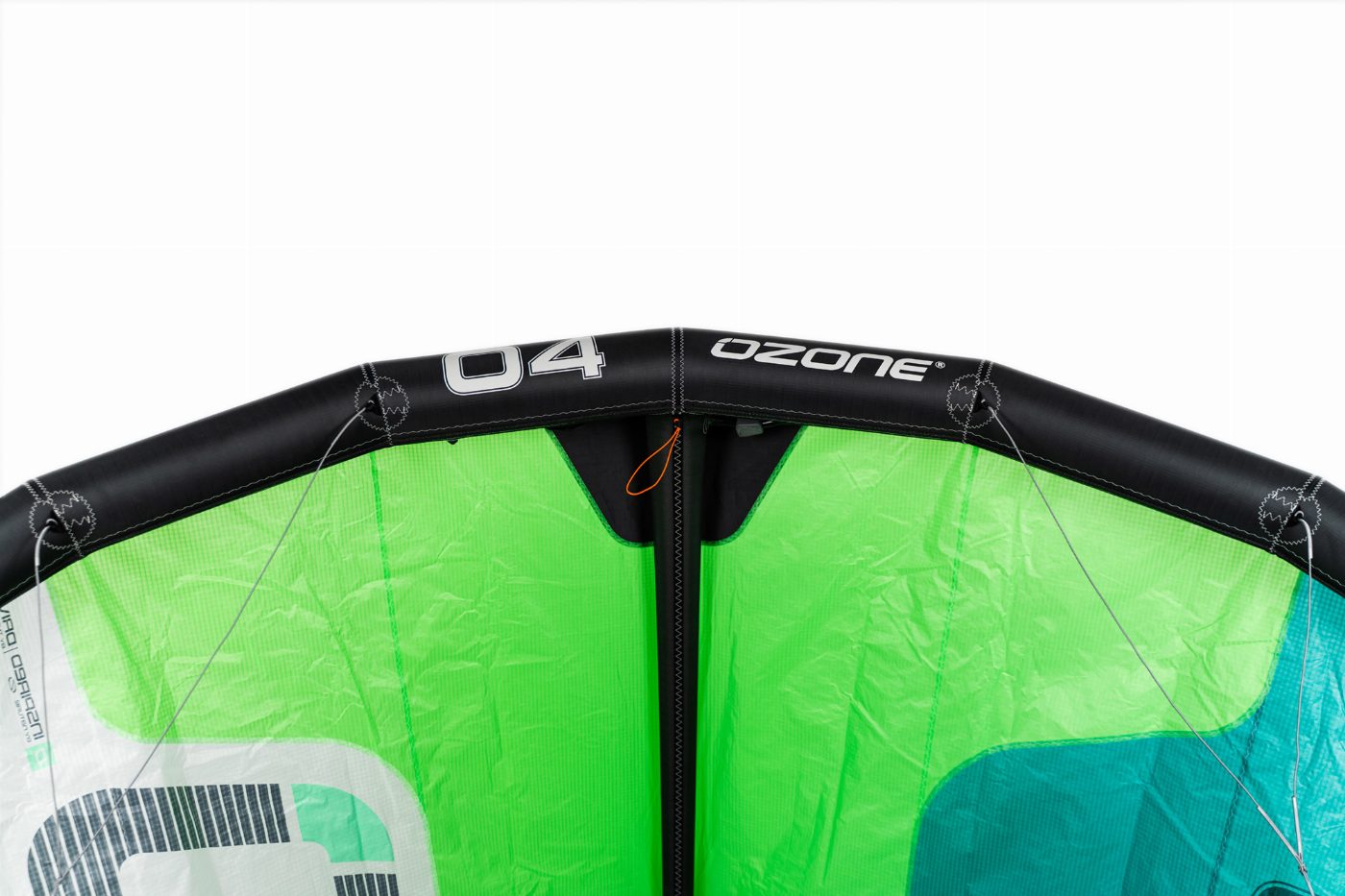
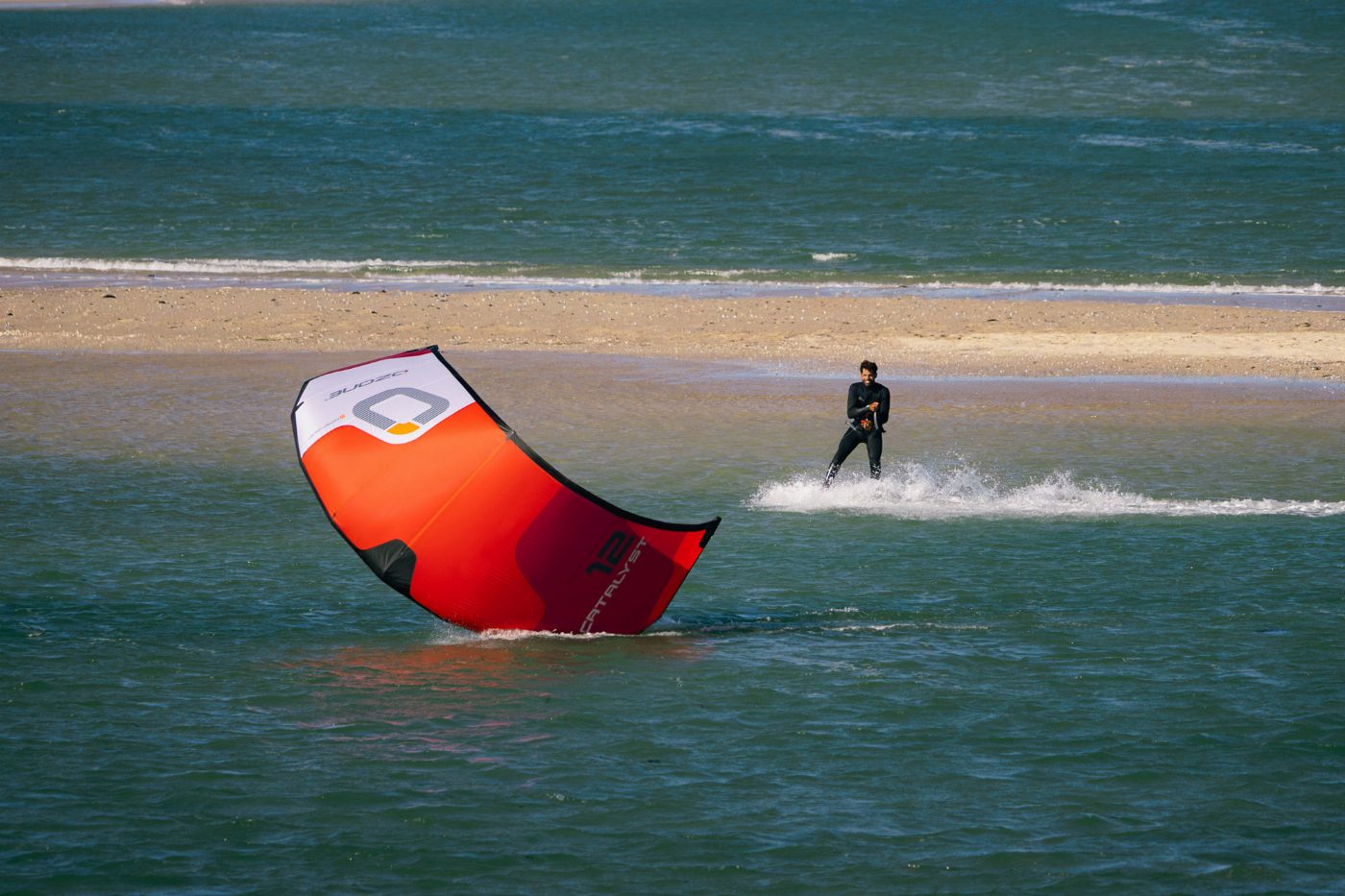
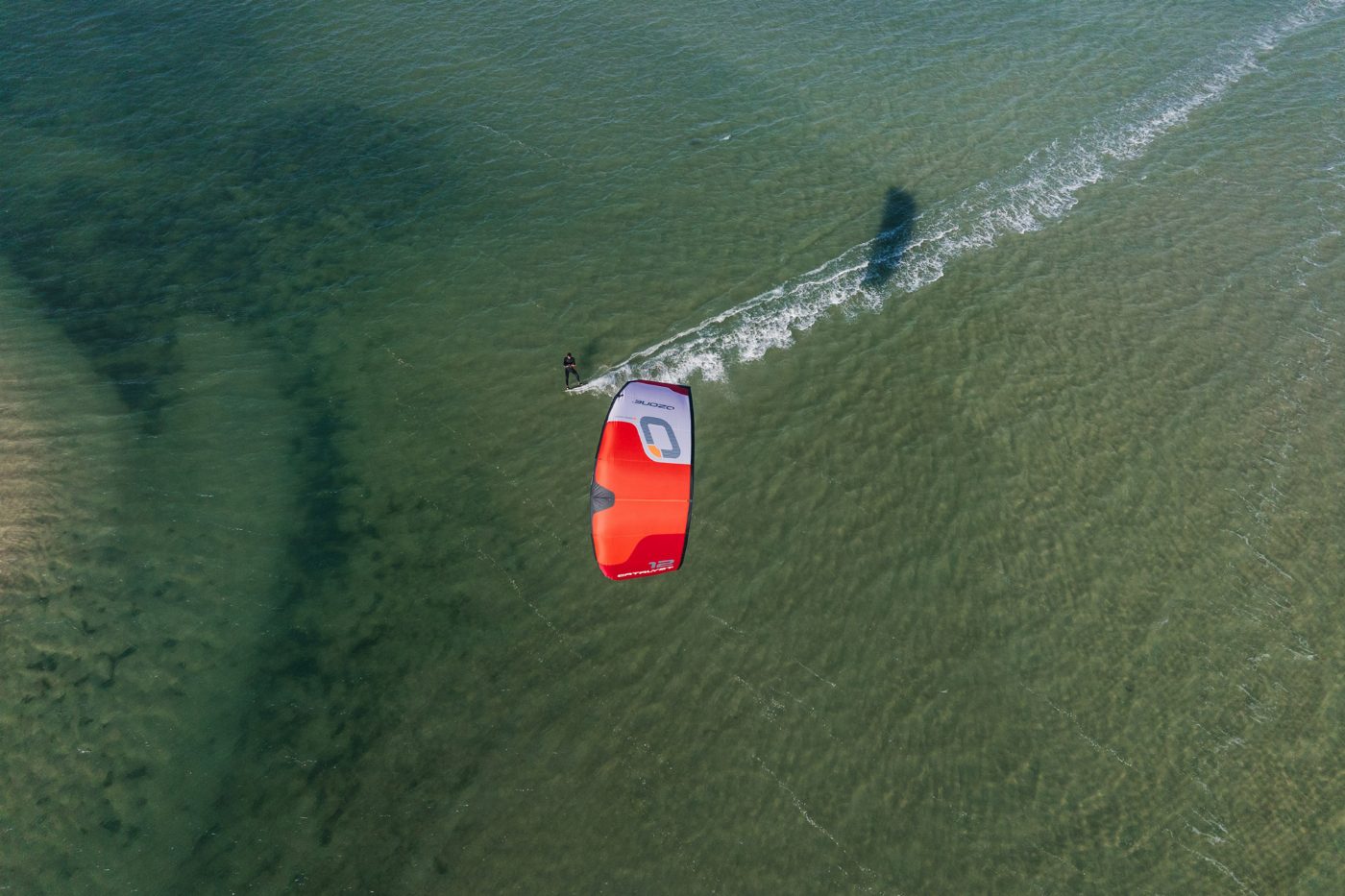
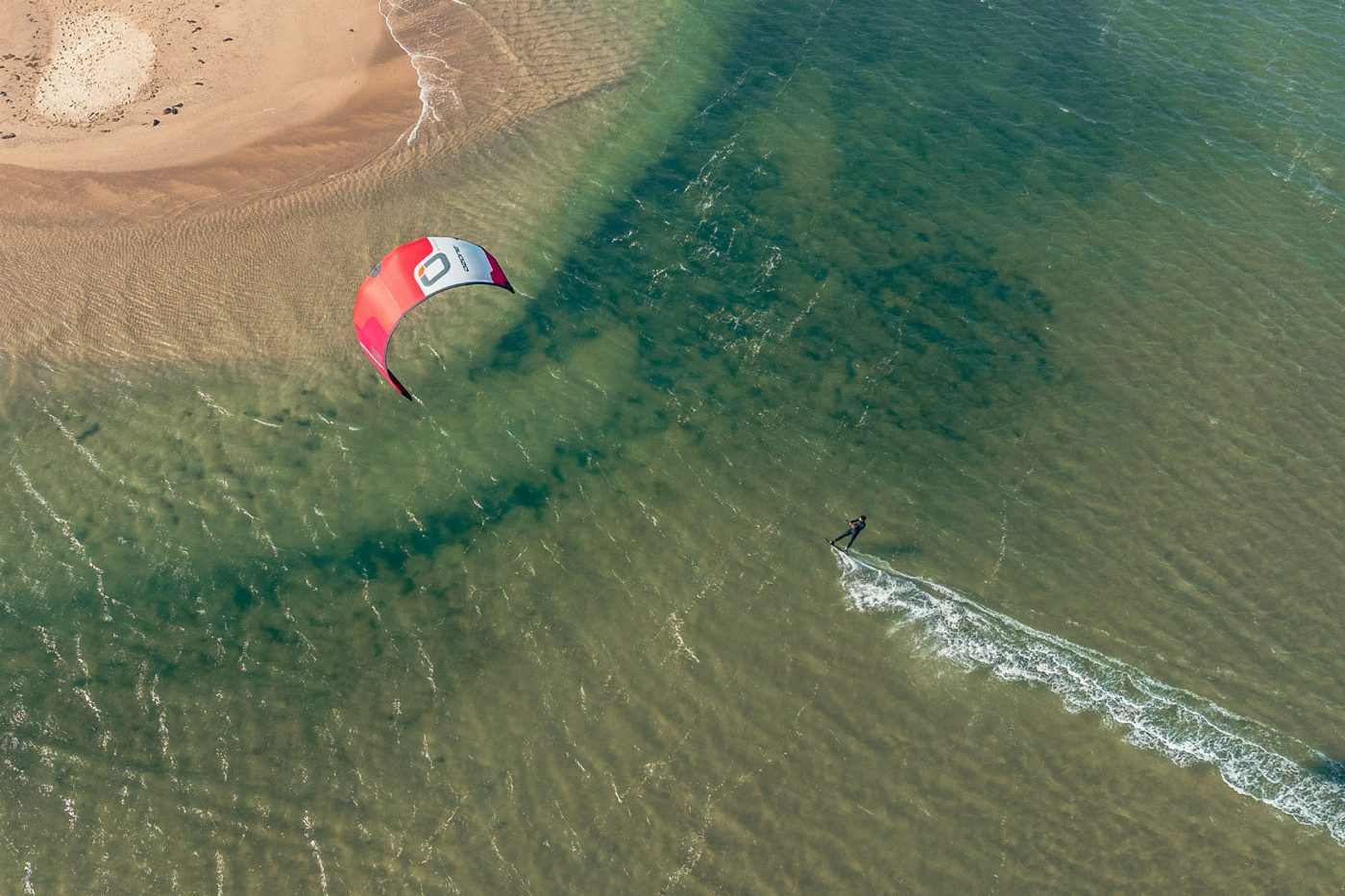
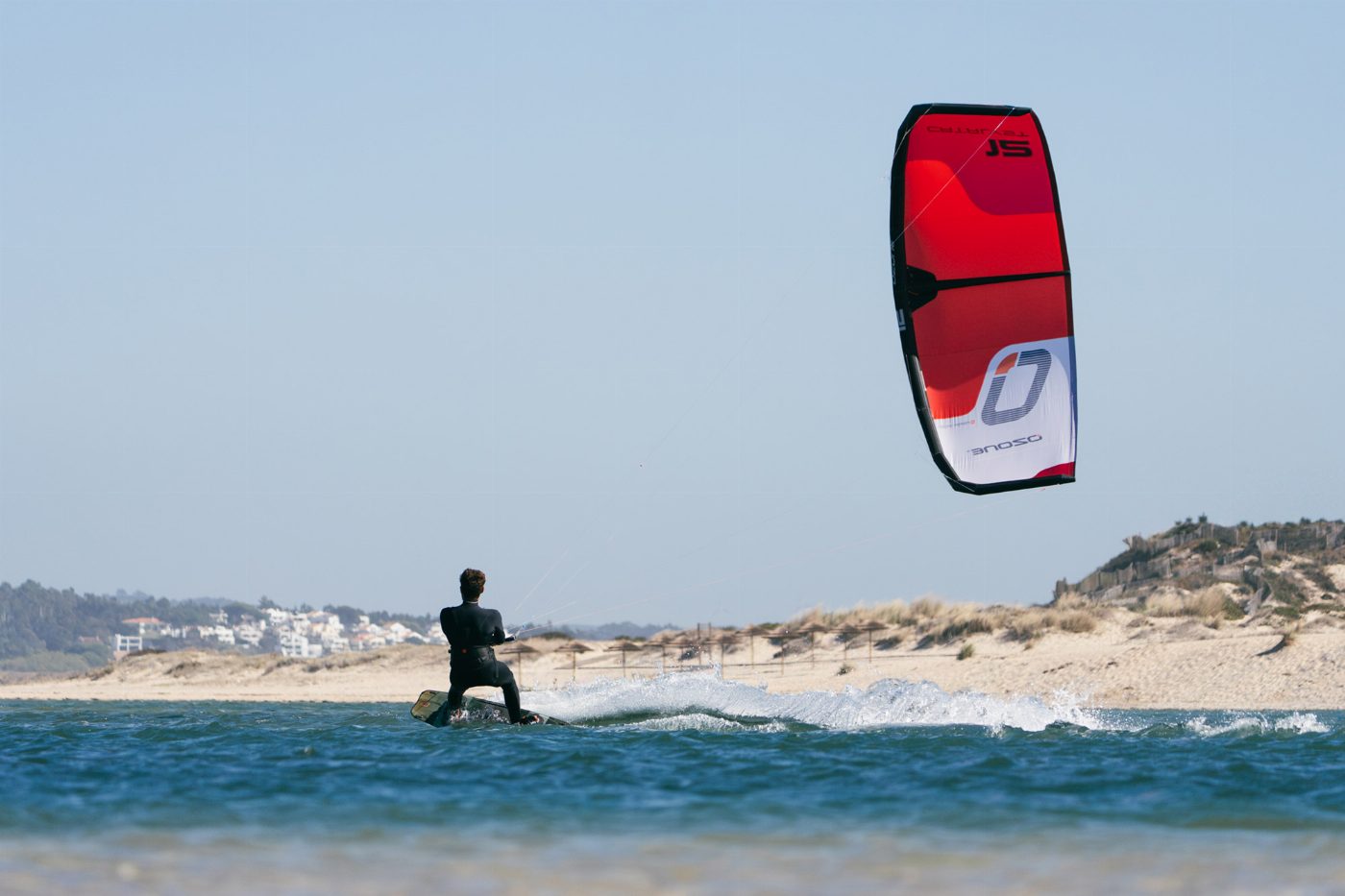
The official gallery: close-ups of the ten-point bridle and the canopy arc, plus action from the spots.
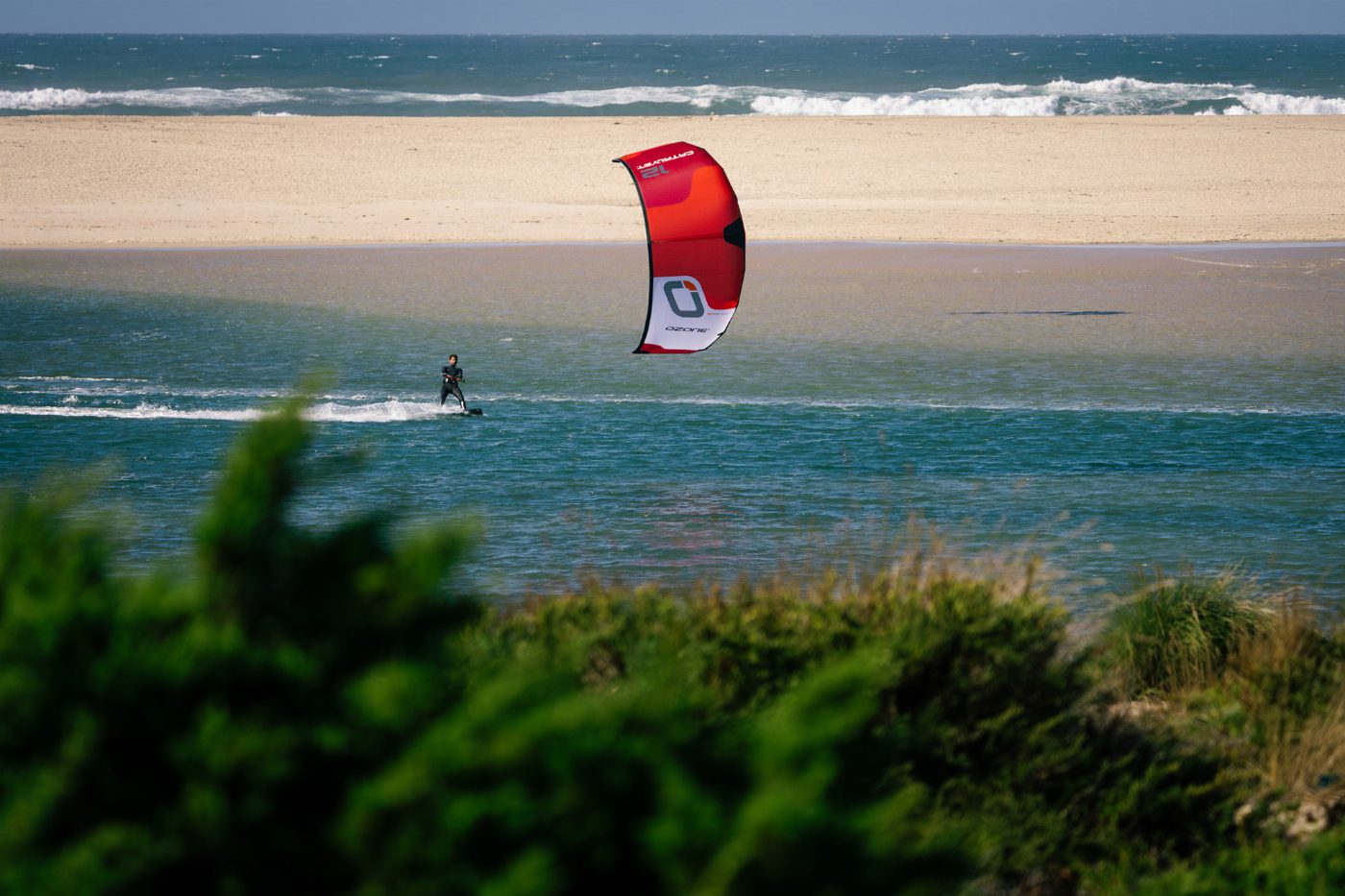
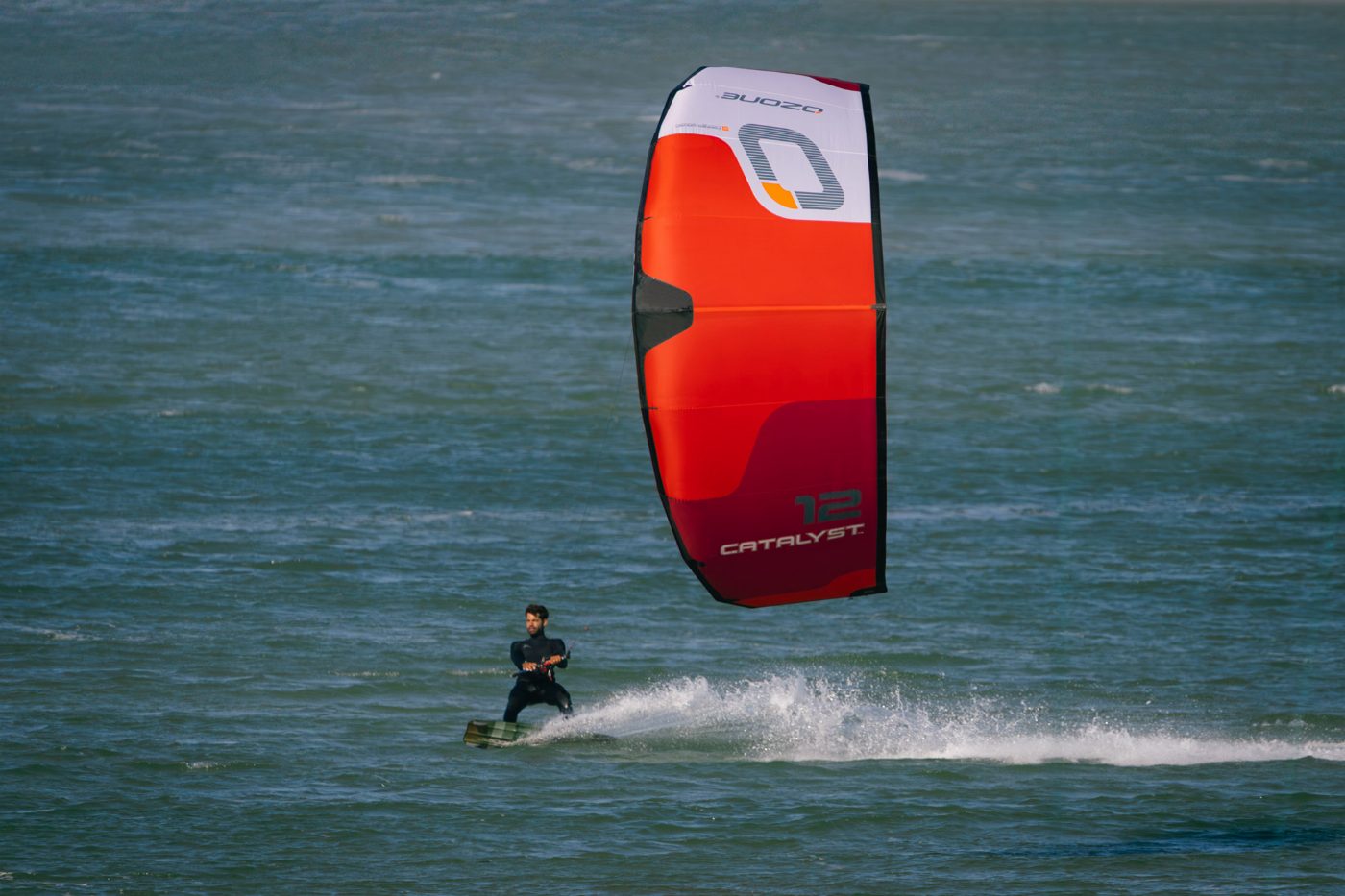
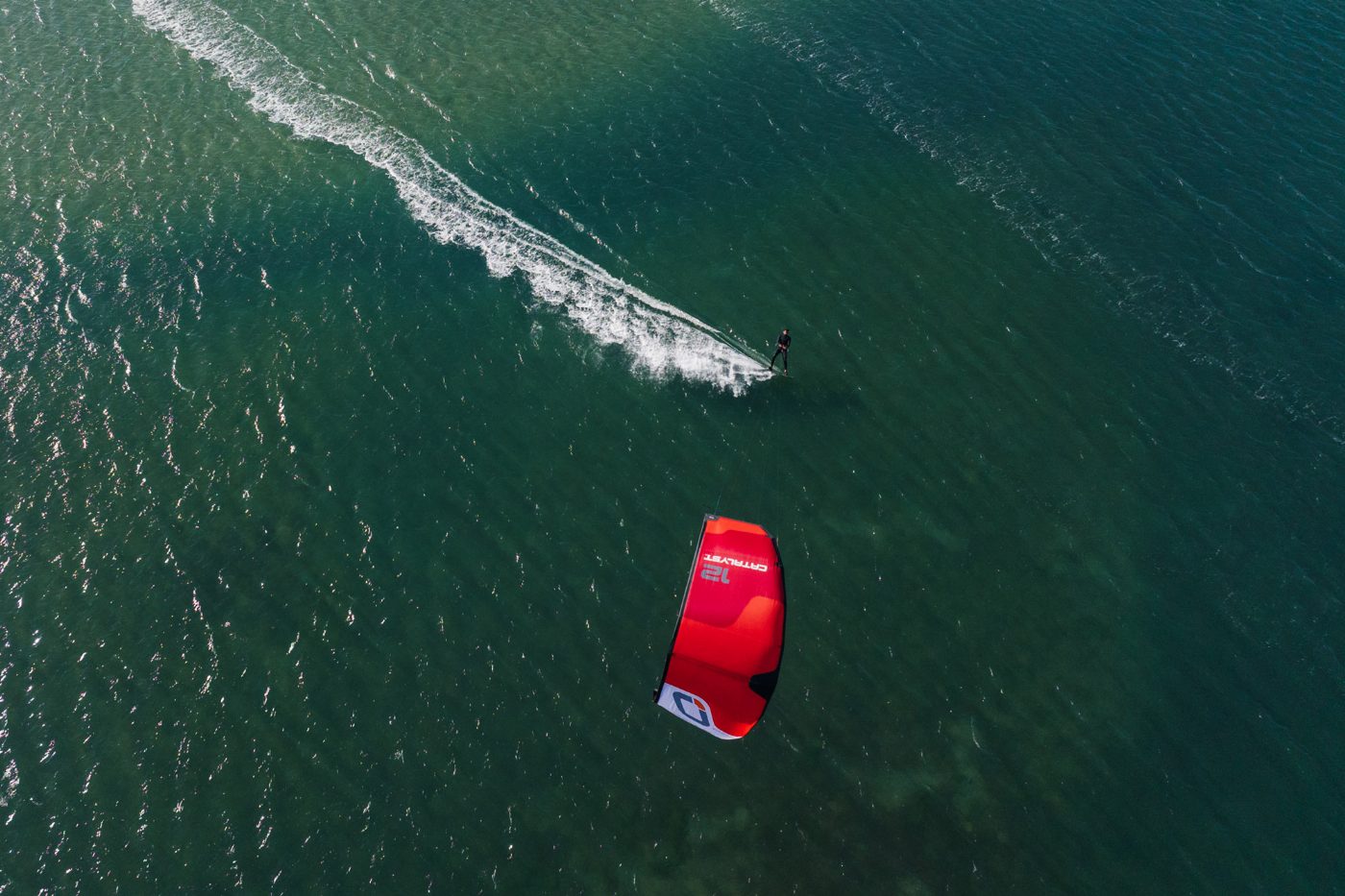
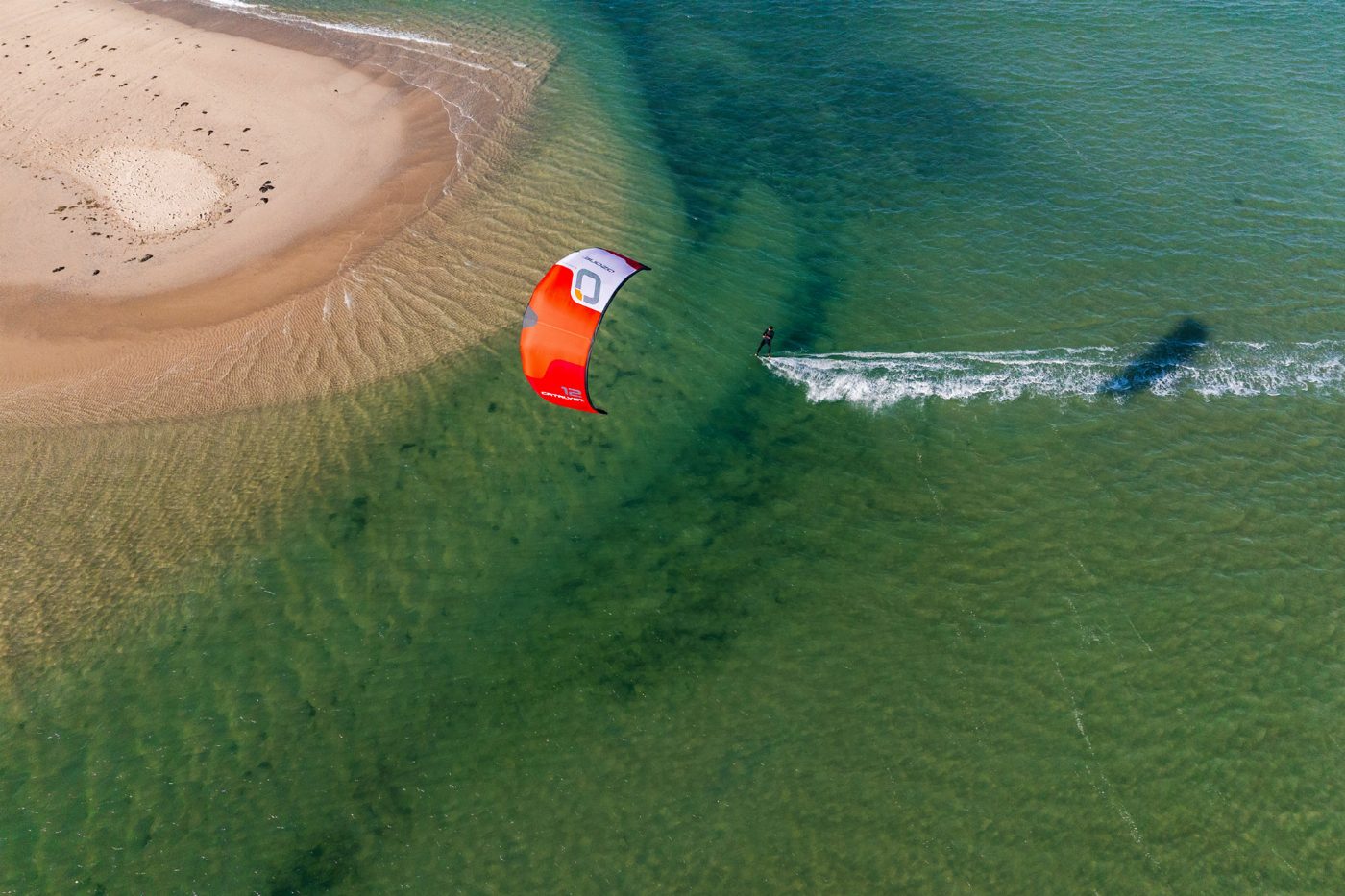
How it behaves on the water
The Catalyst's character is even in the best sense of the word. A light build with a single central strut and an open arc gives soft power and confident low-end performance. Power builds linearly with no sudden surges; the depower stroke is long and informative — in a gust you simply push the bar out and the kite bleeds power smoothly instead of throwing you forward. The wind range is wide, which in practice means fewer size changes and more time on the water. It goes upwind willingly — which saves a student energy and saves a rider the walk back.
Relaunch is the model's signature strength. Turn the bar or pull the relaunch ball on the leader line and the canopy rolls itself to the edge of the wind window, even in light air. One more plus inherited from the V4 is the self-tensioning rear bridle: it removes slack from the back lines when the bar is out, so the kite still answers the steering "off the throttle" and catches its lines far less often when tumbling.
Safety
The safety system is Ozone's classic Front Line Flag Out: release the Click-in Loop and the kite flags onto a single front line, losing power instantly. The system is identical across the brand's entire water range, has been refined over years, and can be reset on the water without acrobatics.
Specifications
| Parameter | Value |
|---|---|
| Sizes | 4 / 6 / 8 / 10 / 12 / 14 / 16 m² |
| Rider level | Beginner, intermediate, advanced |
| Disciplines | Freeride, hydrofoil, waves |
| Strengths | Low-end power, manoeuvrability, upwind ability, speed, hangtime, drift in waves, performance in both light and strong wind |
| Lines | 4, pulley-free bridle |
| Struts | 1 (One-Pump) |
| In the box | Kite + technical backpack; bar sold separately |
Sizes and how to choose
Seven sizes cover everything from storm days to a light summer breeze. For a rider of 70–85 kg the working sizes are a 10 m for steady 12–18 knots and a 7 or 8 m for fresher days; lighter women more often end up on 6–8 m, heavier riders in light wind on 12–14 m. These are starting points, not rules — send us your weight, your spots and your level and we will pick a size, or a two-kite quiver, for your conditions.
Colours and availability: how Ozone builds and sells
Ozone deliberately does not build to stock: every kite is sewn to order in their own factory and sold only through the dealer network — you cannot buy direct from the brand. The company calls this a sustainable model: no overproduction, with respect for people and the planet. For fast shipping the factory keeps a small stock of popular sizes and colours — if your size is there, the kite goes to the dealer immediately.
Production lead time at the time of writing is around 30 days. If you need gear urgently, message us — we will check factory stock and dealer availability.
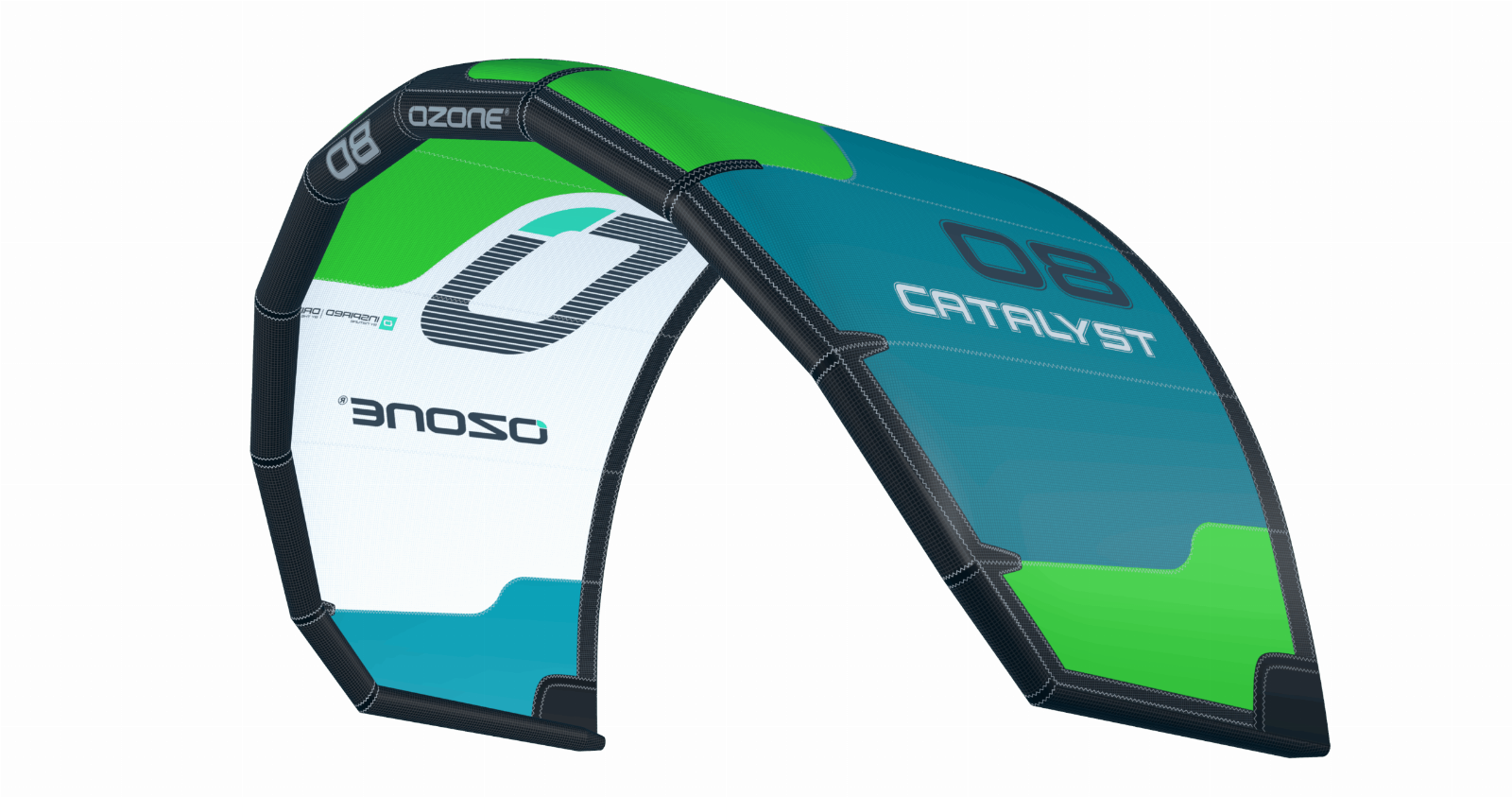
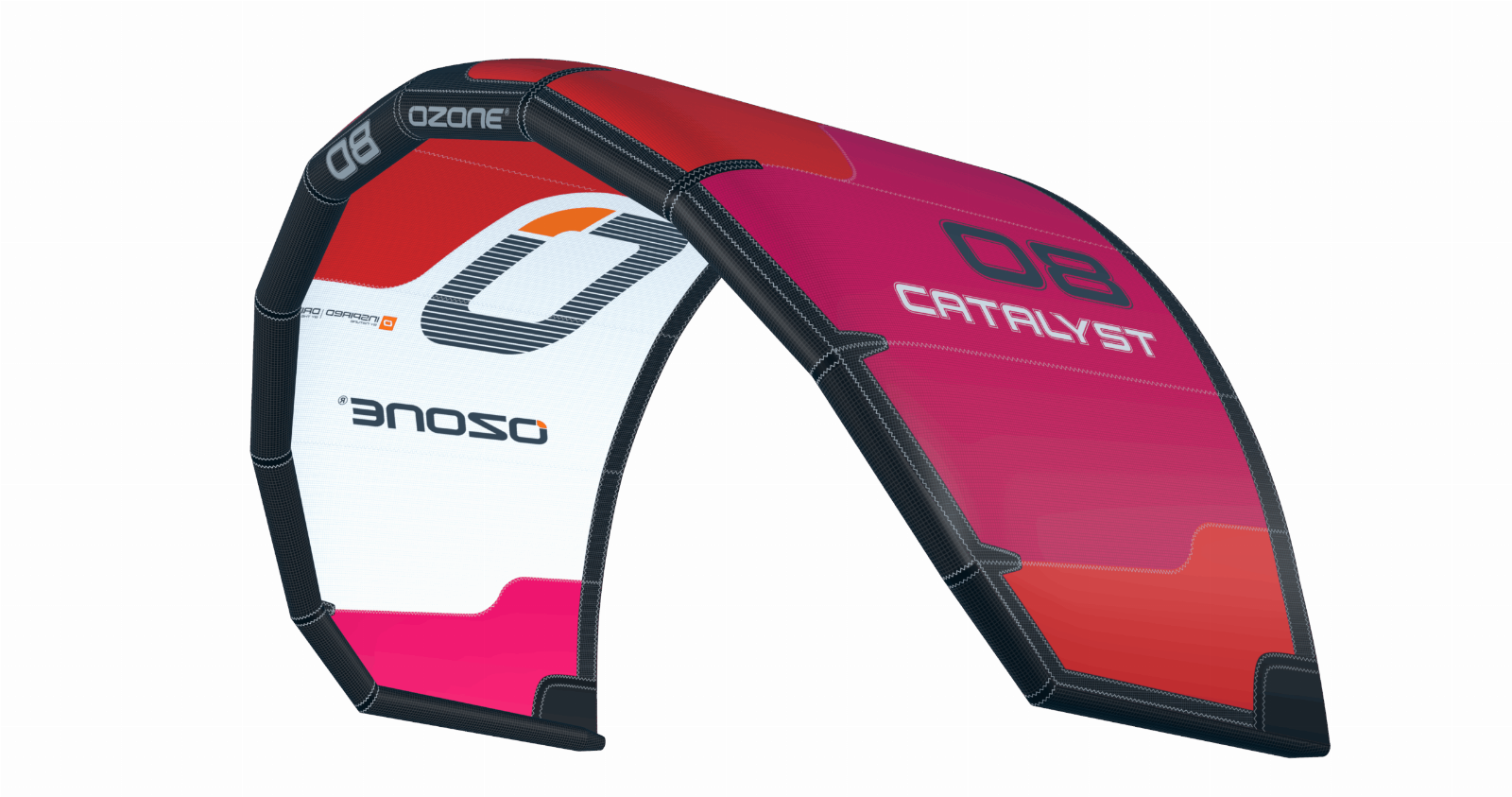
The Catalyst V5 comes in two standard colourways — emerald green and ruby red with white. Ozone also runs a custom colour configurator: build your own combination, copy the resulting colour code and send it to us — as a dealer we place the factory order with your design.
The control bar: Contact Water V5
The Catalyst V5 is sold without a control system. Ozone's matching bar is the Contact Water V5: a clean, simple design with a comfortable trim system and the brand's fast-release Click-In Loop. What is inside:
- Click-In Loop with two release modes and three loop sizes;
- swivel above the bar with an anti-twist flag-out line;
- soft bar ends with leader-line adjustment and a stainless pin;
- modular flying lines in bio-based Dyneema®;
- ergonomic EVA grip and a light aluminium centre insert;
- PU-sheathed depower line, Clamcleat trimmer on a stainless bracket, trim line handle;
- relaunch balls on the leaders — the ones that make the Catalyst's relaunch so easy.
Contact Water V5 bar in our shop →
Ozone's own words — and our care notes
"Our mission is to design and build quality products with leading performance that are simple, safe and fun," is how the Ozone team addresses every buyer. And they add, honestly, that dynamic sports carry risk, and that most incidents come from lack of experience, changing weather or gear that does not match the rider's level. Learn with a qualified instructor — you will progress faster and ride more safely. We endorse every word: it is a literal description of what we do at K1.
Bridle maintenance: the Catalyst V5 has an official guide for inspecting and replacing bridle lines — download the PDF (0.5 MB). The full water-range manual comes with every purchase and we help with the first setup.
Who it suits — and who it does not
Buy a Catalyst V5 if you are learning, riding freeride for pleasure, trying your first jumps, or moving onto a hydrofoil and want a forgiving canopy overhead. What it is not built for is competitive big air and aggressive wakestyle — Ozone has the Edge and the Enduro for that. That honest specialisation is exactly why the model is liked: it does not try to be everything at once.
The K1 instructor's verdict
Over years of school use the Catalyst has earned the label "the kite that never lets you down": students get onto proper runs faster on it, and owners spend years failing to find a reason to replace it. If you need one canopy to take you from your first lesson to confident freeride, this is it.
Catalyst V5 in our shop — sizes, prices and fast ordering →
Want to try it first? Come for a lesson in Mui Ne — we will put you on a school Catalyst and tell you honestly whether it is your kite or not. Aloha!
Want advice from an instructor?
Our IKO instructors will help you choose gear or plan a kite trip to Mui Ne — free of charge.
Read next
Every brand has its own labelling and they all mean the same thing. Duotone, North, F-One, Naish, Ozone and En…
Five Versions of the Naish Pivot: 1,225 to 2,451 Euros for One ModelThe Pivot exists as base, Q Series, LTD, NVision and LW. How they differ in stated purpose and price, and whic…
Naish Pivot vs Ozone Reo: Two Views of a Wave KiteThe Pivot is stated as freeride plus waves, the Reo as pure wave. How an all-rounder with a wave bias differs …