
Tides: Why the Same Spot Is a Different Place Morning and Evening
Tides change depth, current, wave shape and even the wind near shore. The mechanism, how to read a tide table, and why Mui Ne and Crimea behave completely differently.
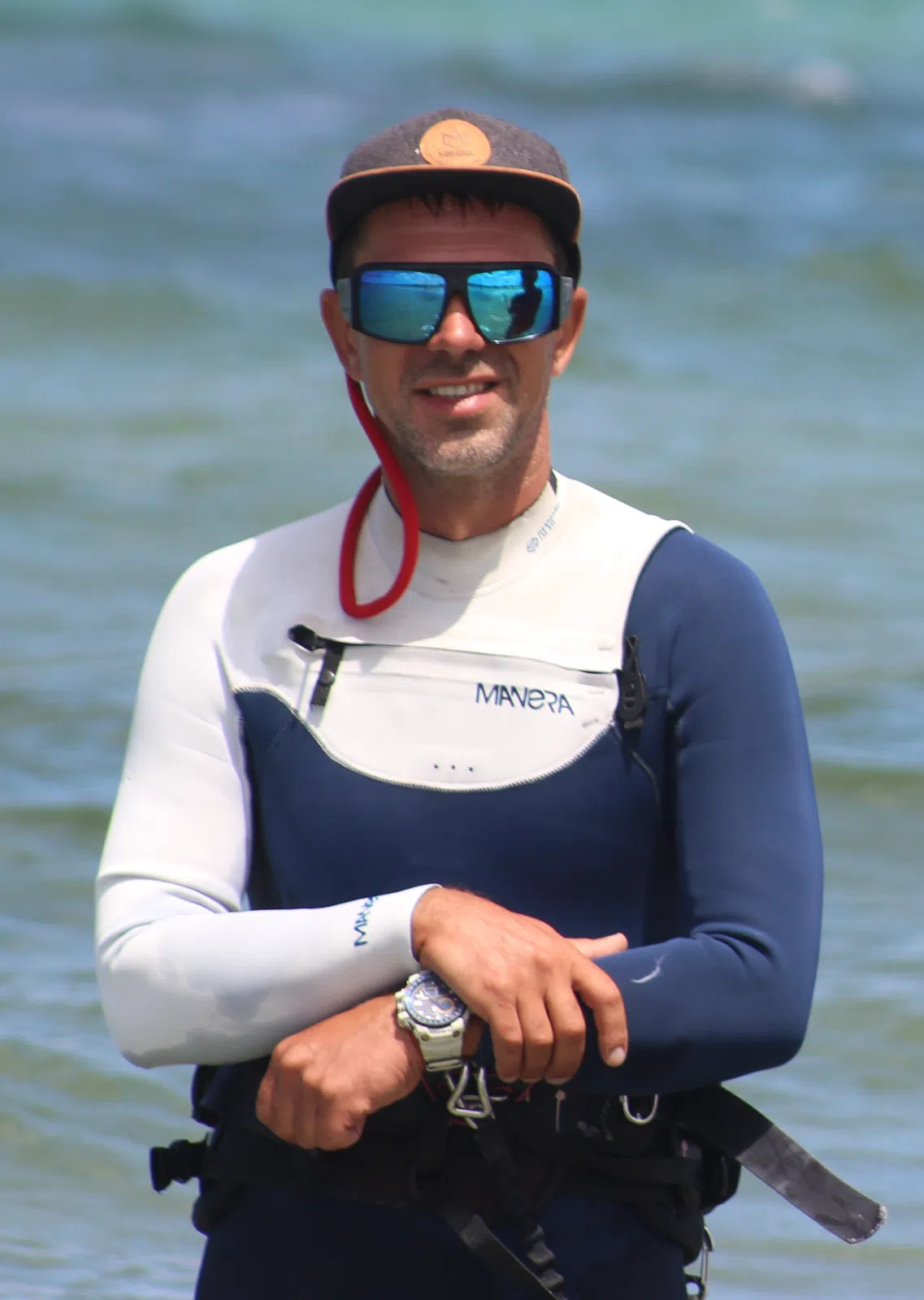
Wind Seasons in Southeast Asia: Where and When to Go
Monsoons set the schedule for the whole region: Vietnam, Thailand, the Philippines, Indonesia. What the northeast and southwest monsoons are, and how to pick your month.
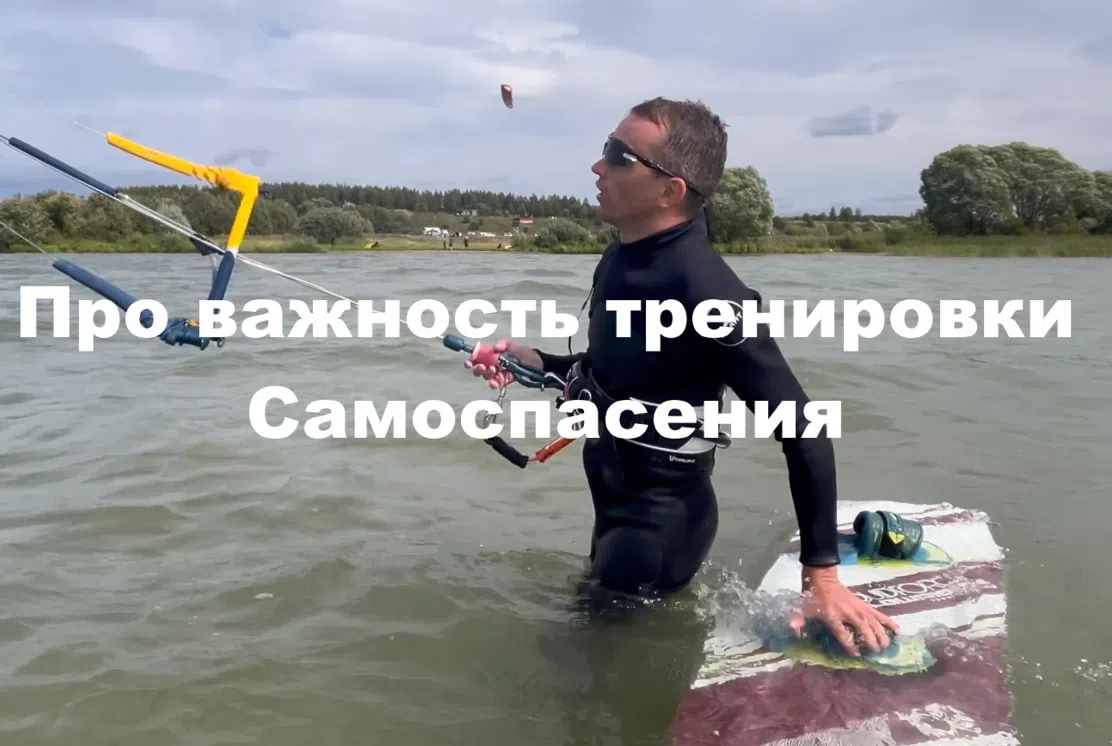
Thunderstorms at the Spot: Reading Them Early and What to Do If You Did Not
A storm gust front is the most dangerous weather in kiting: wind triples in minutes and changes direction. The warning signs, the thirty-second rule, and the order of actions.
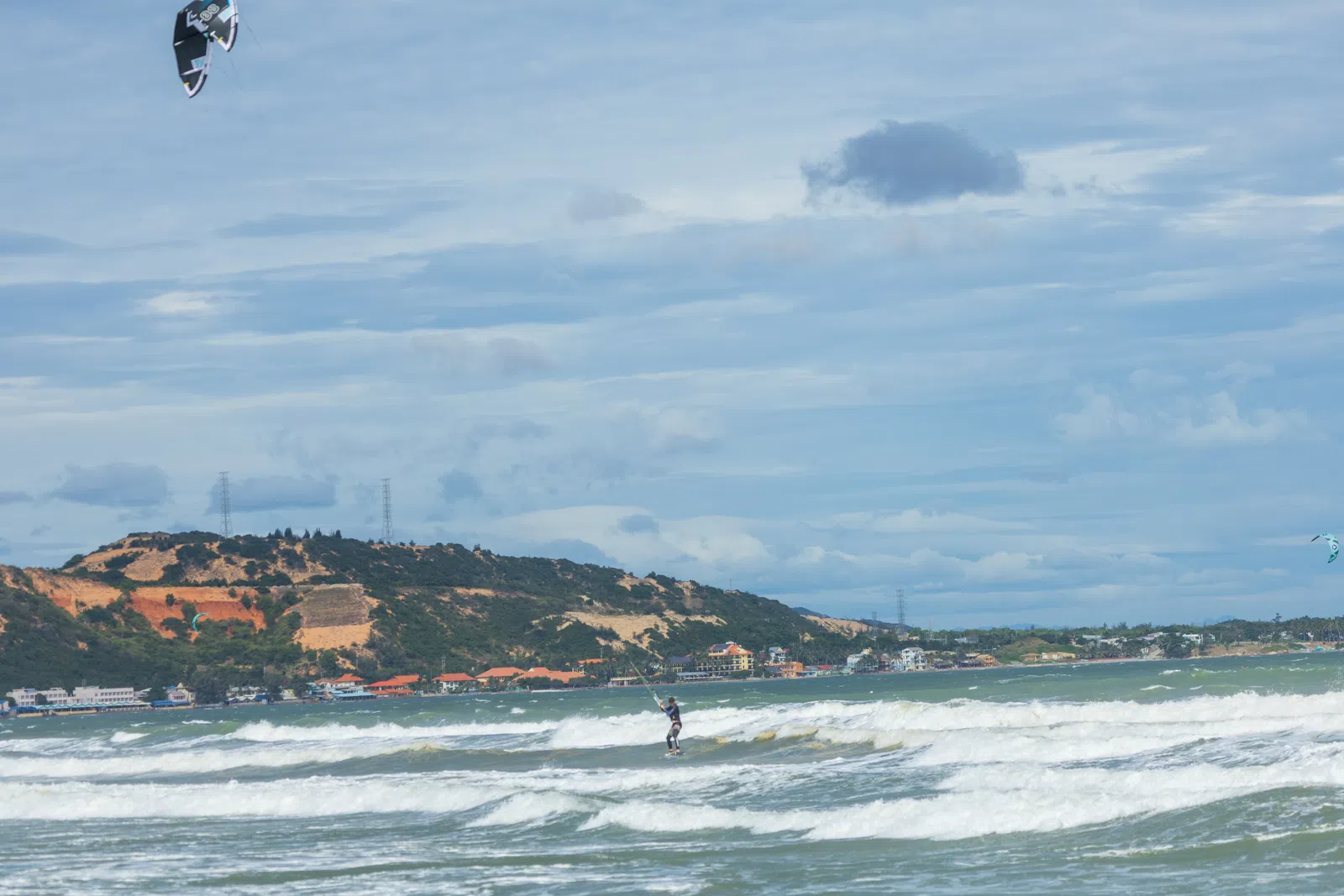
How to Read Gustiness in a Forecast: Gust Values, Spread and Terrain
The forecast says 15 knots and the spot delivers anything from 8 to 25. Where gustiness comes from, how to spot it in a forecast in advance, and why the spread matters more than the speed.
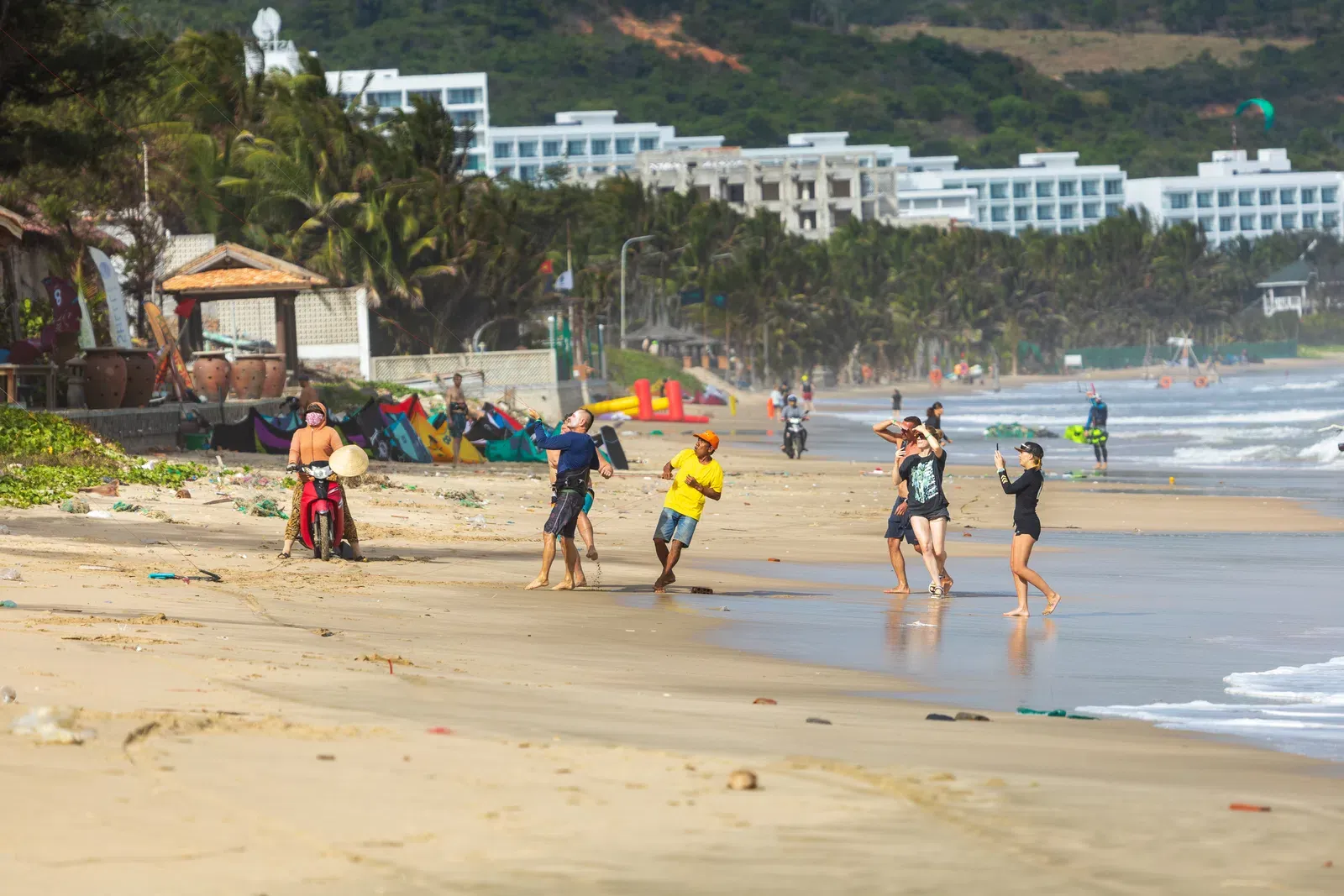
Sea breeze and thermal wind: why the coast blows on a timetable
Half the wind kitesurfers ride is made by the sun rather than by a pressure system. How sea and land breeze work, why the wind fills in by midday and dies by evening, what strengthens it, and why forecasts miss it.
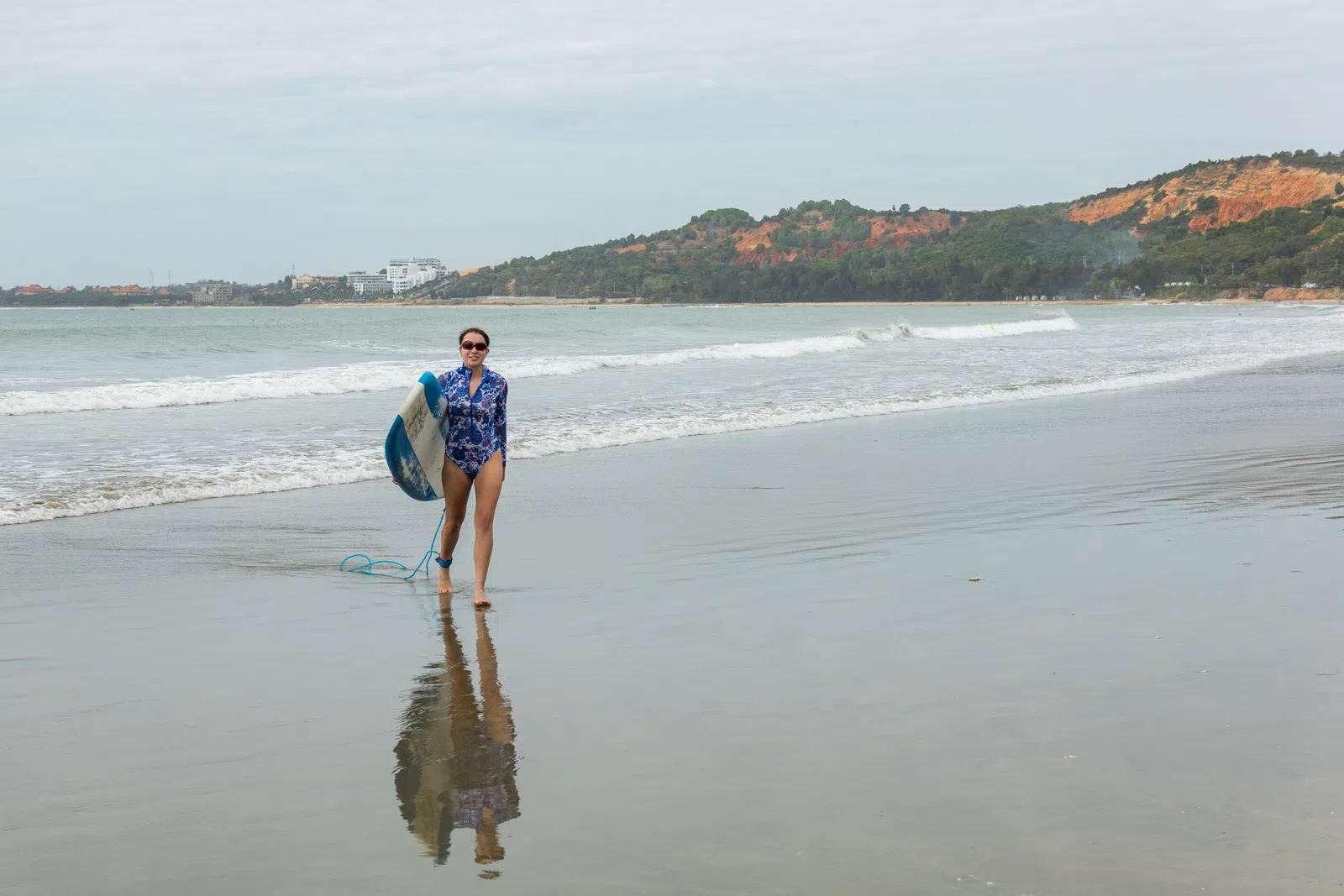
Mui Ne Live Webcam: Wind, Forecast and Real Conditions at K1
A forecast is a model, a camera is the water itself. The live stream from the K1 spot in Mui Ne, the wind sensor and the weekly forecast — and how to decide in thirty seconds whether it is worth going.
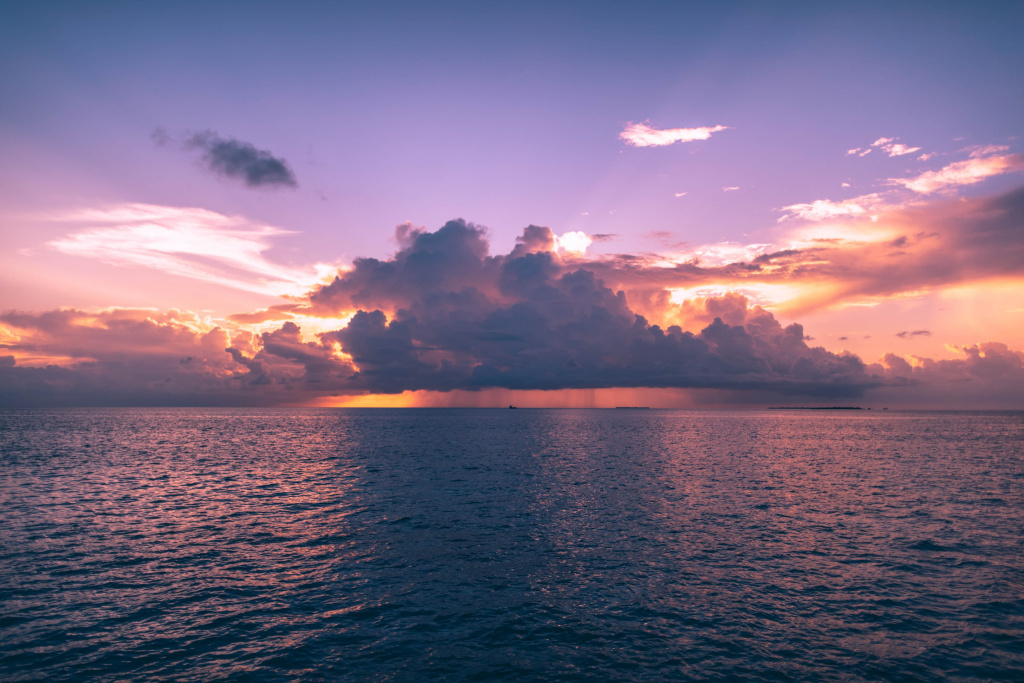
Reading clouds: how kitesurfers see the wind coming before the forecast does
A forecast is three hours old by the time you read it. The sky is live. Which cloud shapes mean gusts, which mean the wind is about to double, and which mean you should be on the beach — with the rule that keeps you out of trouble.
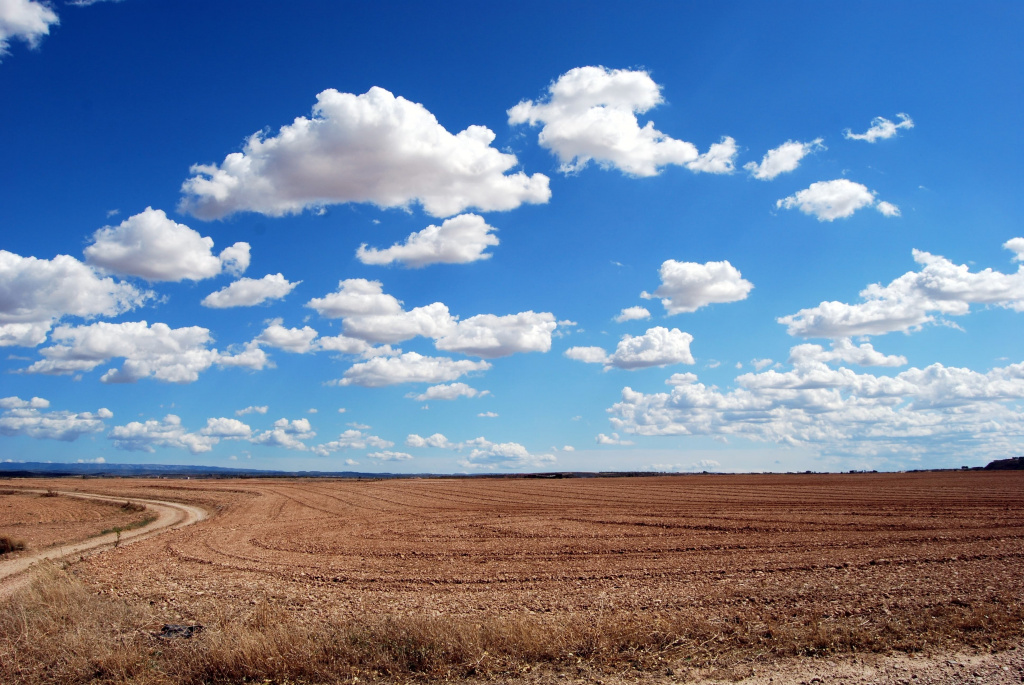
Clouds and kiteboarding: what each cloud type does to the wind
Cumulus, cumulonimbus, stratus, lenticular and the gust front — a working guide to what happens under each one, why the wind lulls before a cloud and gusts after it, and which sky means pack up now.
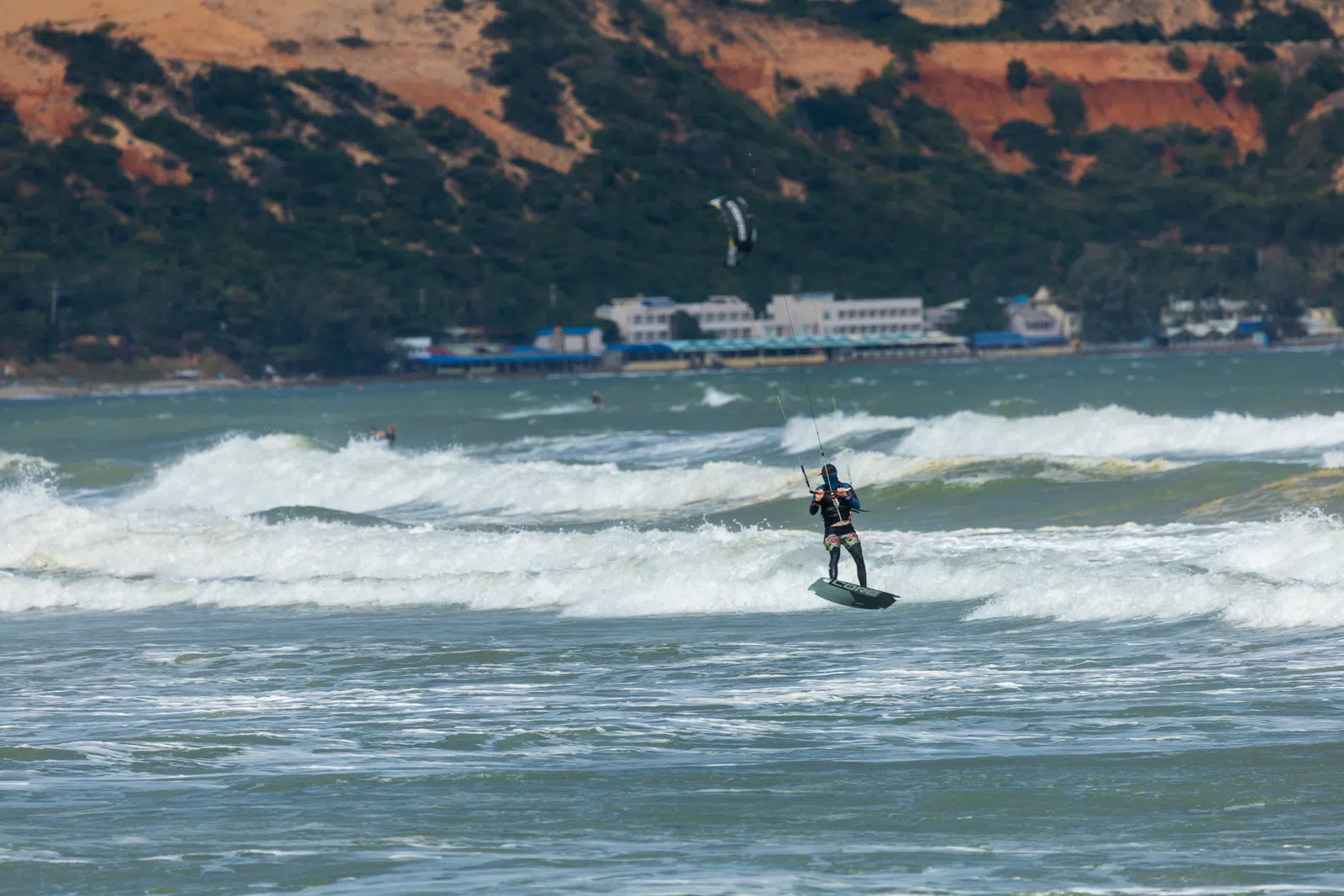
Waterspouts: what they are, why they form and what a kiter should do
A waterspout is a tornado over water, and they appear on kite spots more often than most riders think. How they form, how to recognise one early, how far away is far enough, and what to do if one develops while you are on the water.