Repairing a Canopy on a Trip: What to Pack, How to Patch, When Not To
A canopy tear on day one need not end the trip if you carry twenty grams of the right materials. Repairs step by step, what to glue with, and which damage you must not fix yourself.
Kite Model Years: Is Last Season Worth Buying, and How Much Cheaper Is It?
A North Orbit 2024 costs 750 €, the 2026 costs 1,729 €. Using real catalogue prices: what changes between seasons, where the saving is genuine, and how to check a kite's age.
Flying With a Foil: Packing, Weight and What to Say at Check-In
A foil is a metal structure with sharp wings and a mast approaching a metre. How to strip it down, pack it, stay within size limits and avoid trouble at security.
Kite Trip Packing Checklist: What to Bring, What Gets Forgotten, What to Buy There
Compiled from years of running a station in Mui Ne: what you actually need to bring, which small items end sessions, what is cheaper on site, and how to stay within your baggage allowance.
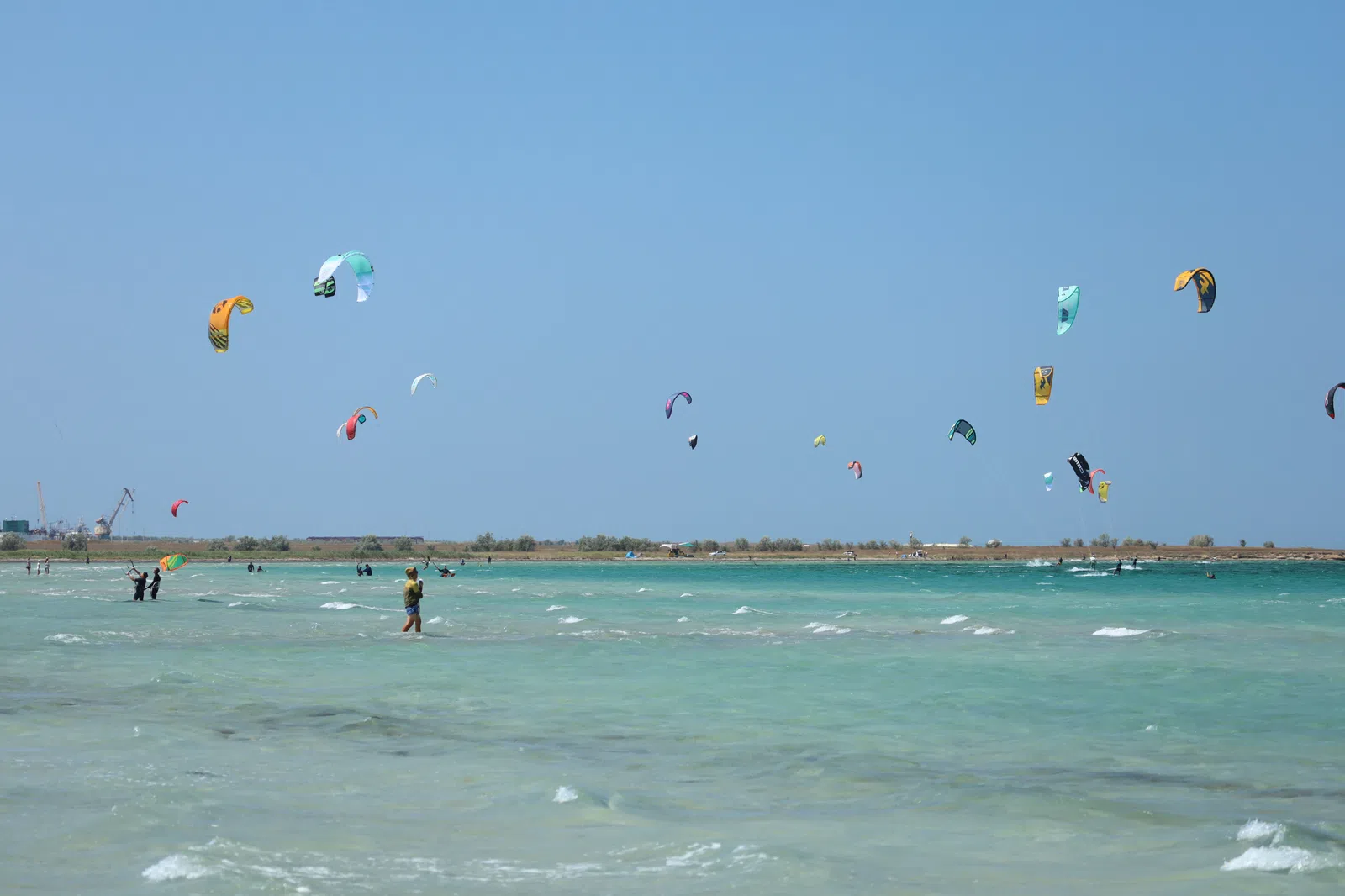
How to Choose a Wetsuit: Thickness, Type, and Why Water Decides — Not Air
3/2, 4/3, shorty, steamer — what the numbers mean and when you need which. A table by water temperature, why a suit must fit tight, and three buying mistakes.
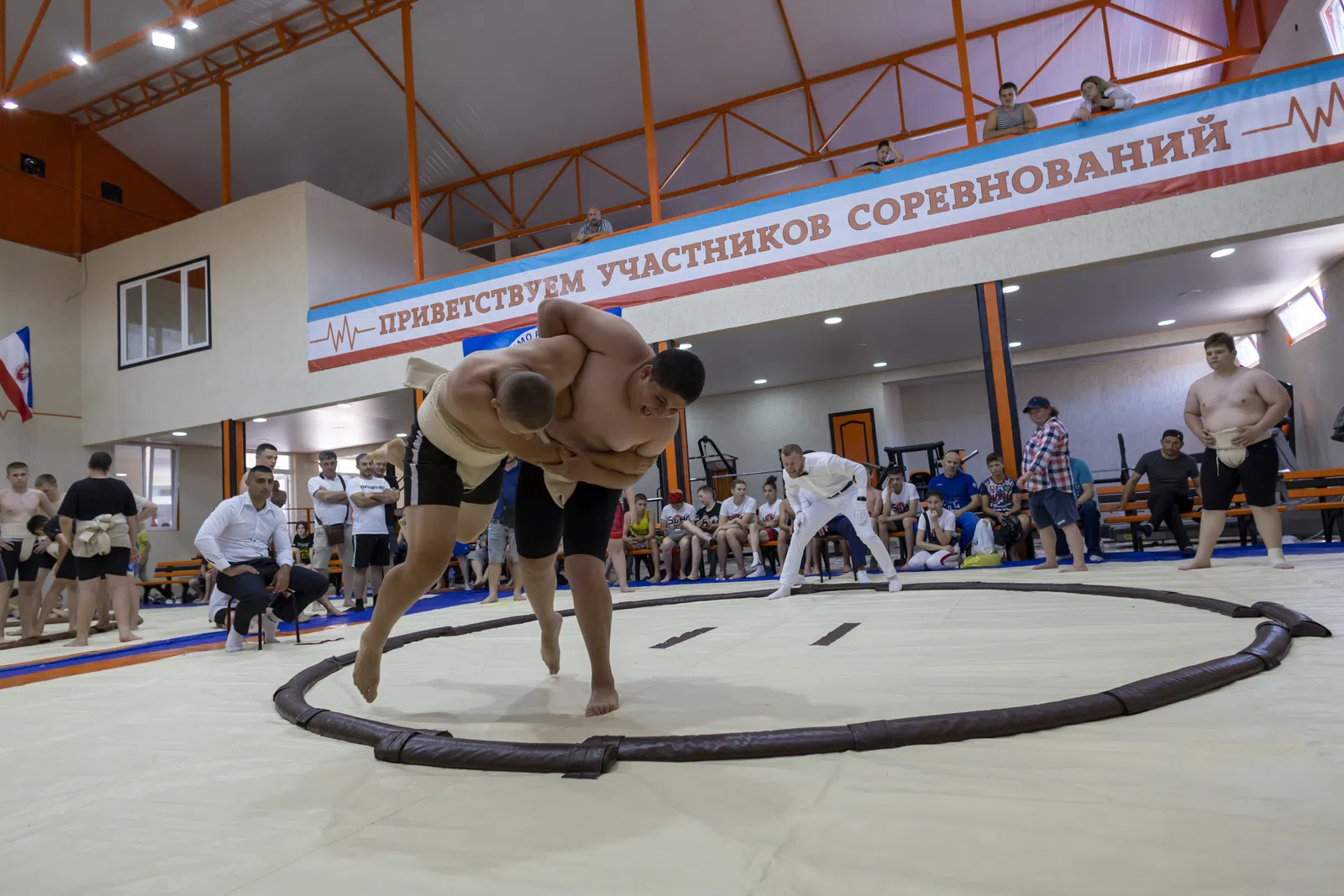
How to Fit a Harness to Your Back: Torso Height and Three Signs It Is Wrong
A harness should sit on your waist, not your ribs and not your hips. How to measure, why shell height matters more than size, and the three signs a harness is not yours.
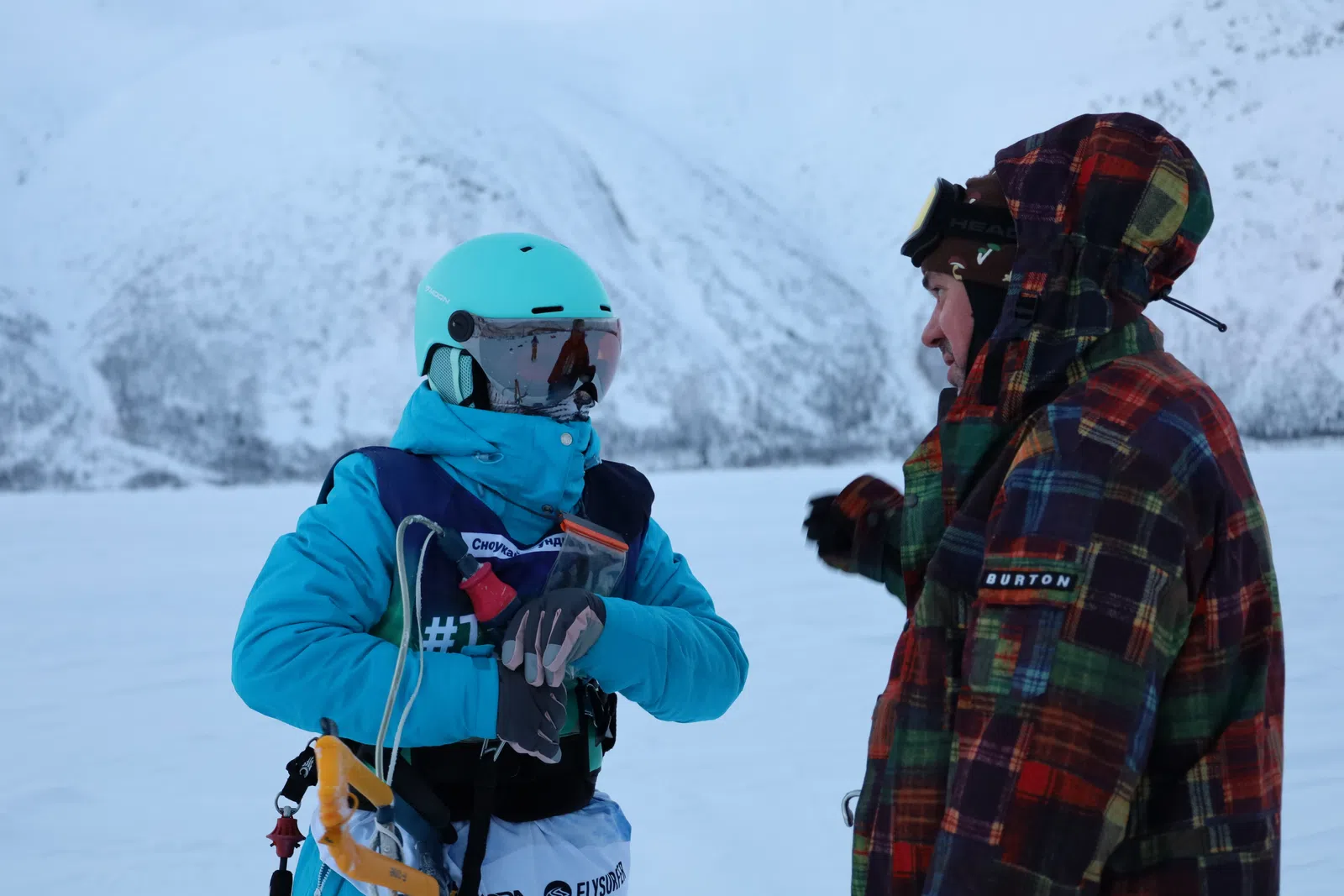
Relaunching a Foil Kite: What to Do When the Canopy Collapses
A collapse is not a breakage but a normal event with a clear procedure. Step by step: relaunching a closed-cell foil kite from water, reopening one on snow, and what not to do.

How to Dry and Store a Foil Kite: Five Rules That Extend Its Life
Sand in the cells, salt, UV and damp kill a foil kite faster than riding does. How to dry, fold and store one properly, including between seasons.
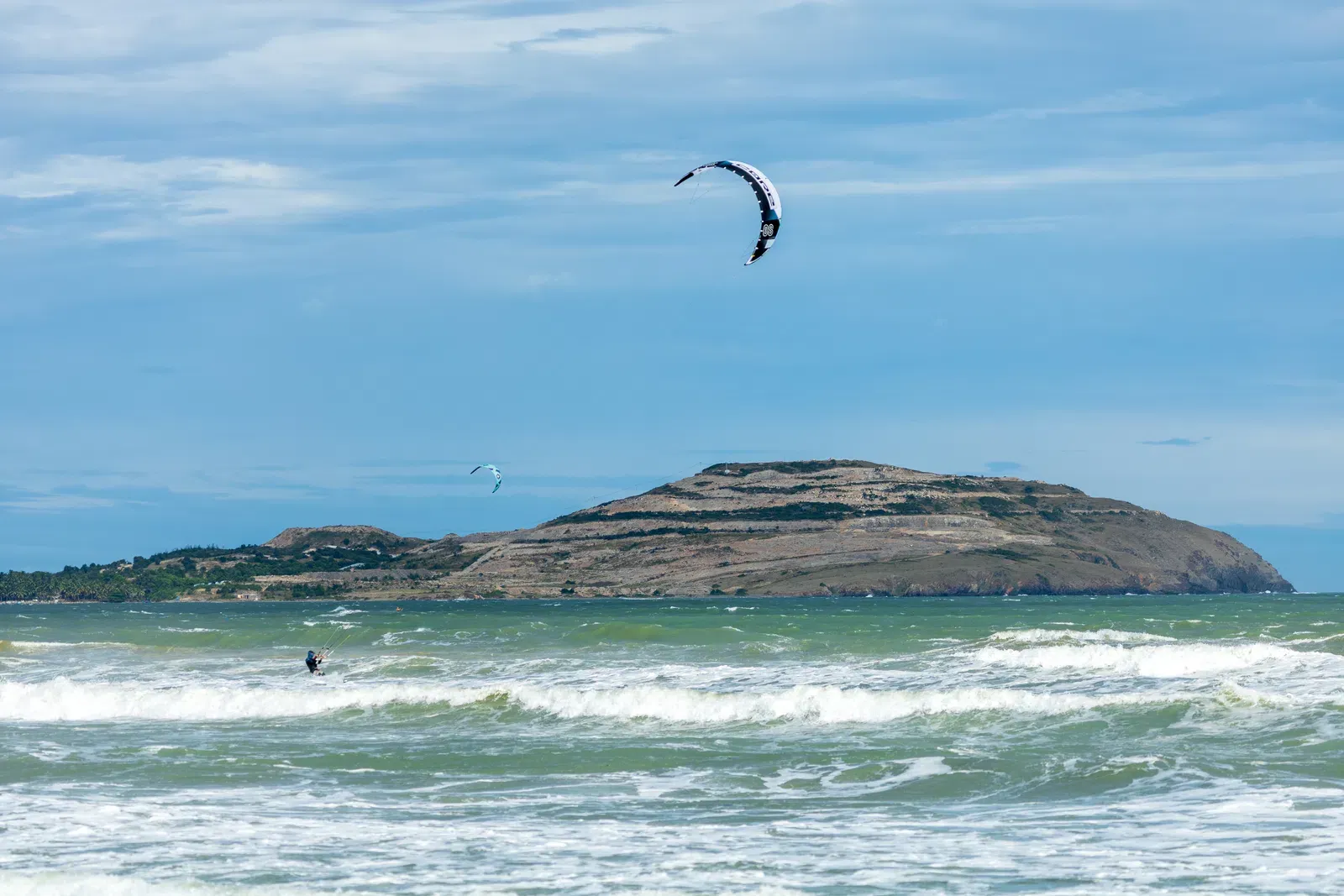
Kitesurfing in Mui Ne: the complete guide for anyone coming to learn
A full guide to kitesurfing in Mui Ne, Vietnam: when the wind blows and when it does not, how many hours it takes to ride independently, lesson and rental prices, visas, flights, where to stay and what a two-week trip costs. Written by the kite school that sits on this beach.
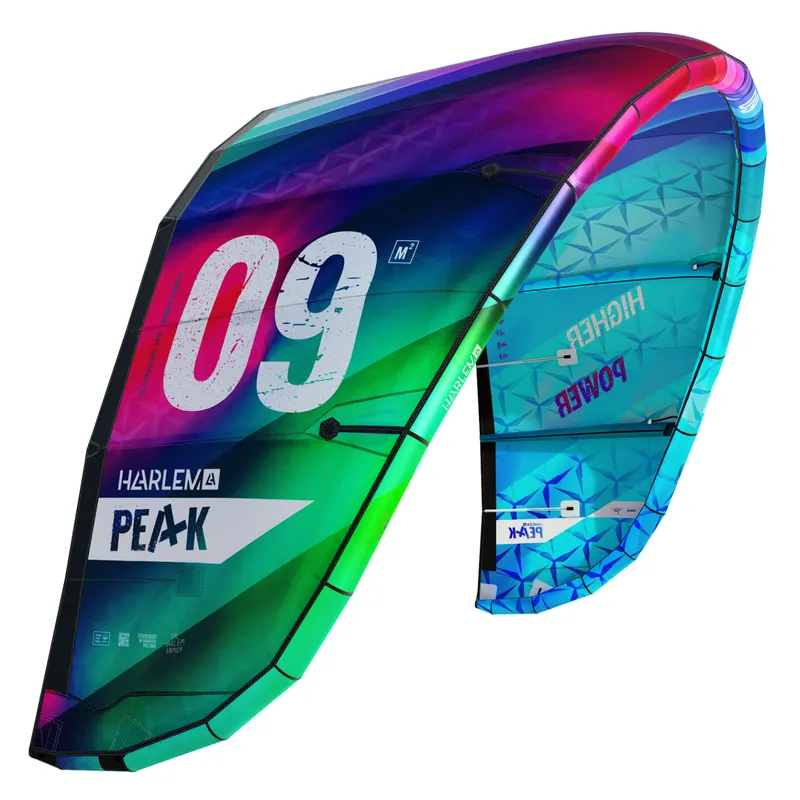
Custom Harlem kites: your own design on a production kite, and how to order one
Harlem is one of the few brands that openly offers customisation of production kites and wings through its Game Changer programme. Two options, what stays branded, what it costs and how the order actually works.
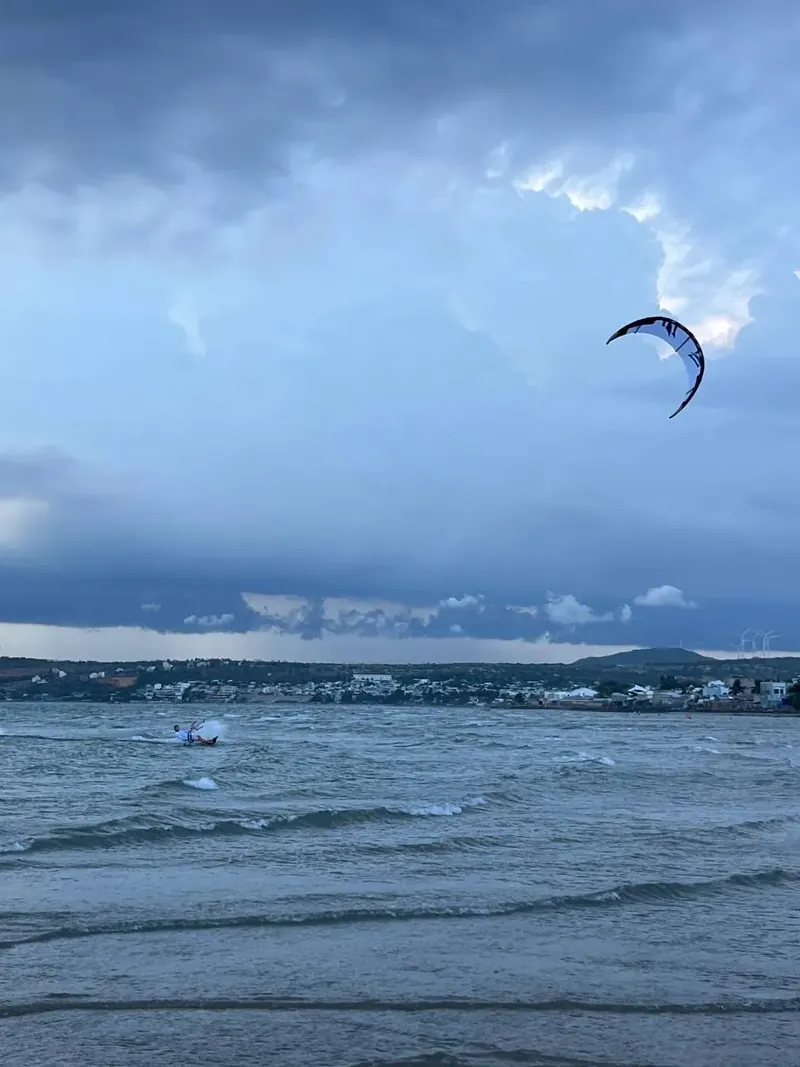
The Cape Kite Spot in Mui Ne: Summer Wind, Tides and Access
A local guide to the Cape — Mui Ne's summer kite spot by the whale temple: WSW wind of 13–15 knots, a sand bottom, why the tide completely changes the session, and how to find it.
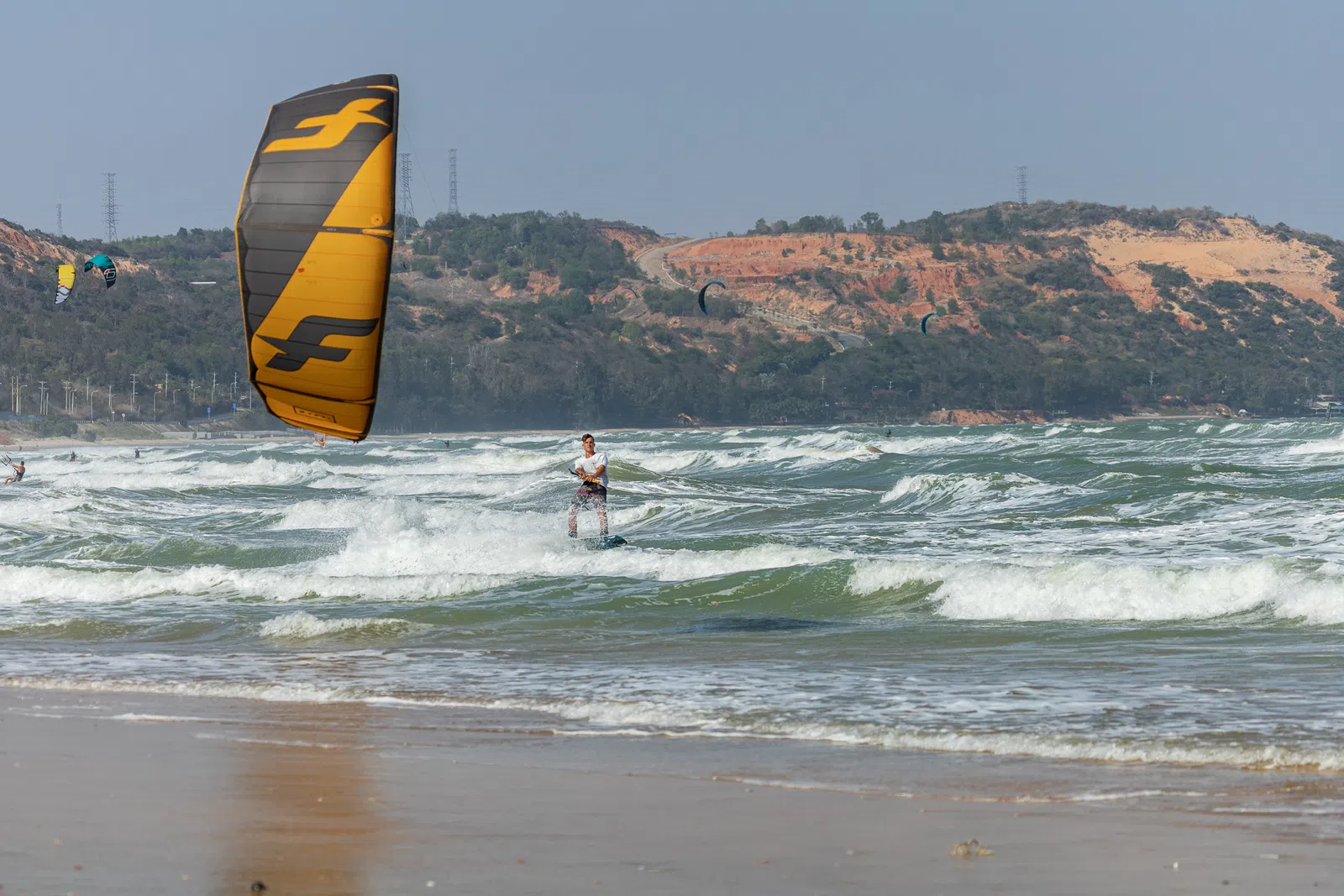
How Much Time and Money It Takes to Learn Kitesurfing
An honest breakdown: 8–15 hours to ride independently, what K1 lessons and courses actually cost in Mui Ne, what else to budget for a learning trip, and why you shouldn't buy gear before your course.

What to Do in Mui Ne Between Kite Sessions: A Local's Guide
Temples, dunes, a lighthouse, the best pho in town and a secret oyster grill — what to do in Mui Ne on no-wind days, from someone who has wintered here for years.
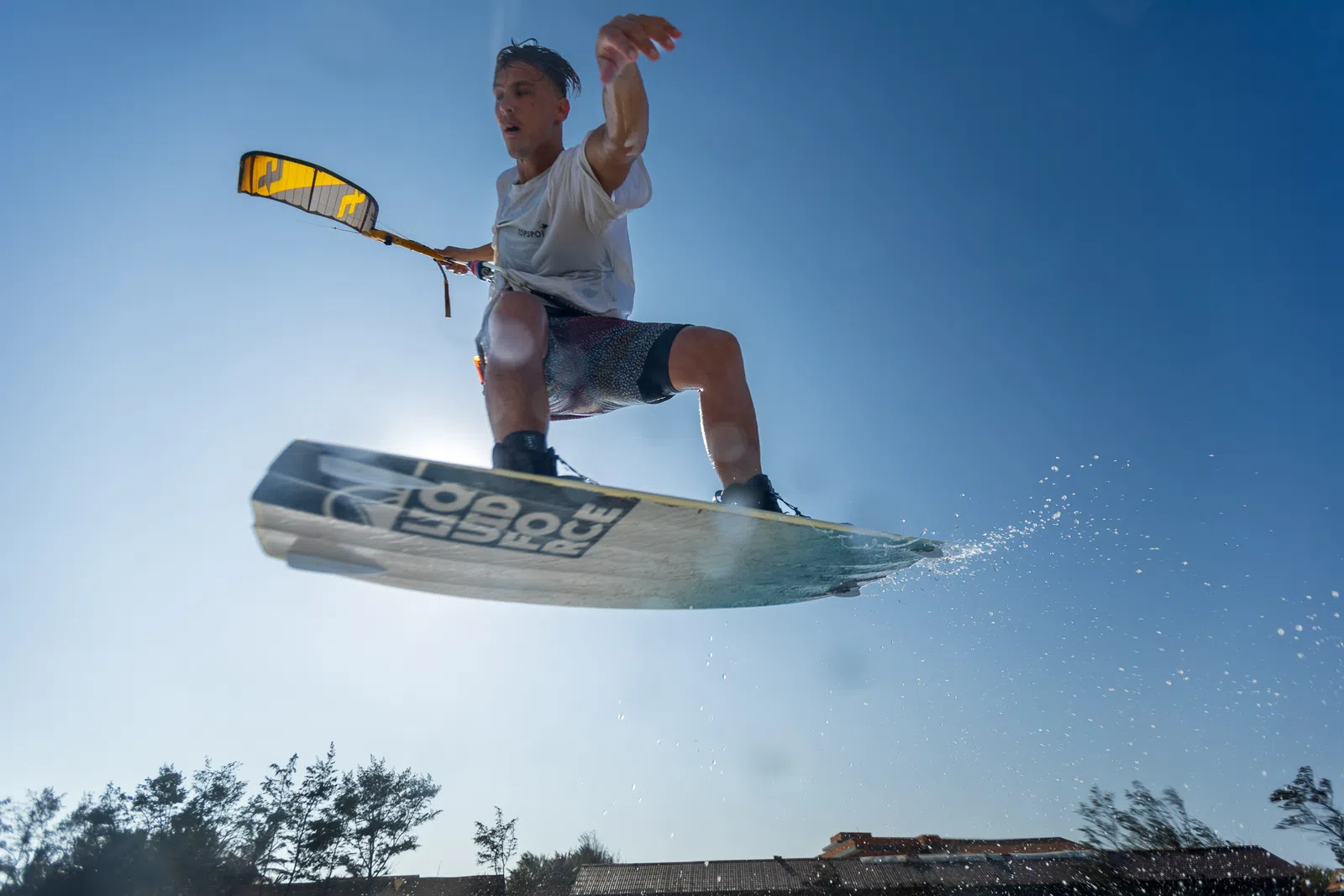
Confidence on the water: what actually makes kitesurfing click
Most people stall not because they lack skill but because they are tense. Practical ways to build confidence on a kite — what to fix first, why smaller is faster, and how to tell nerves from a genuine warning.
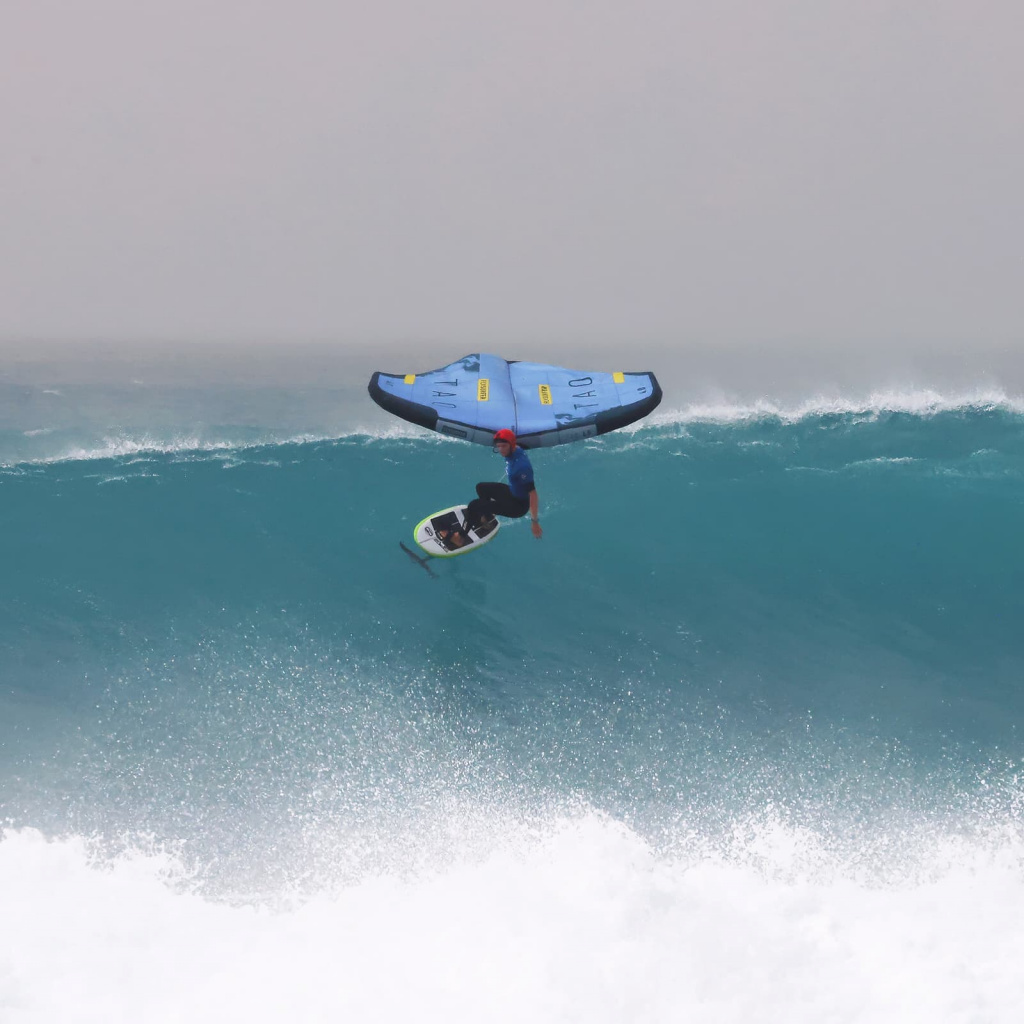
Wingfoiling: the fastest-growing water sport, and why it suits Mui Ne
A wing needs less wind, less space and less equipment than a kite, and there is nothing above your head to drop on anyone. What wingfoiling actually is, how hard it is to learn, and how it fits into a trip to Vietnam.

Teaching kitesurfing theory so students actually remember it
The ground lesson is where safety is decided and where most schools lose their students' attention. What to cover, in what order, and the practical tricks that turn twenty minutes of theory into something people use on the water.
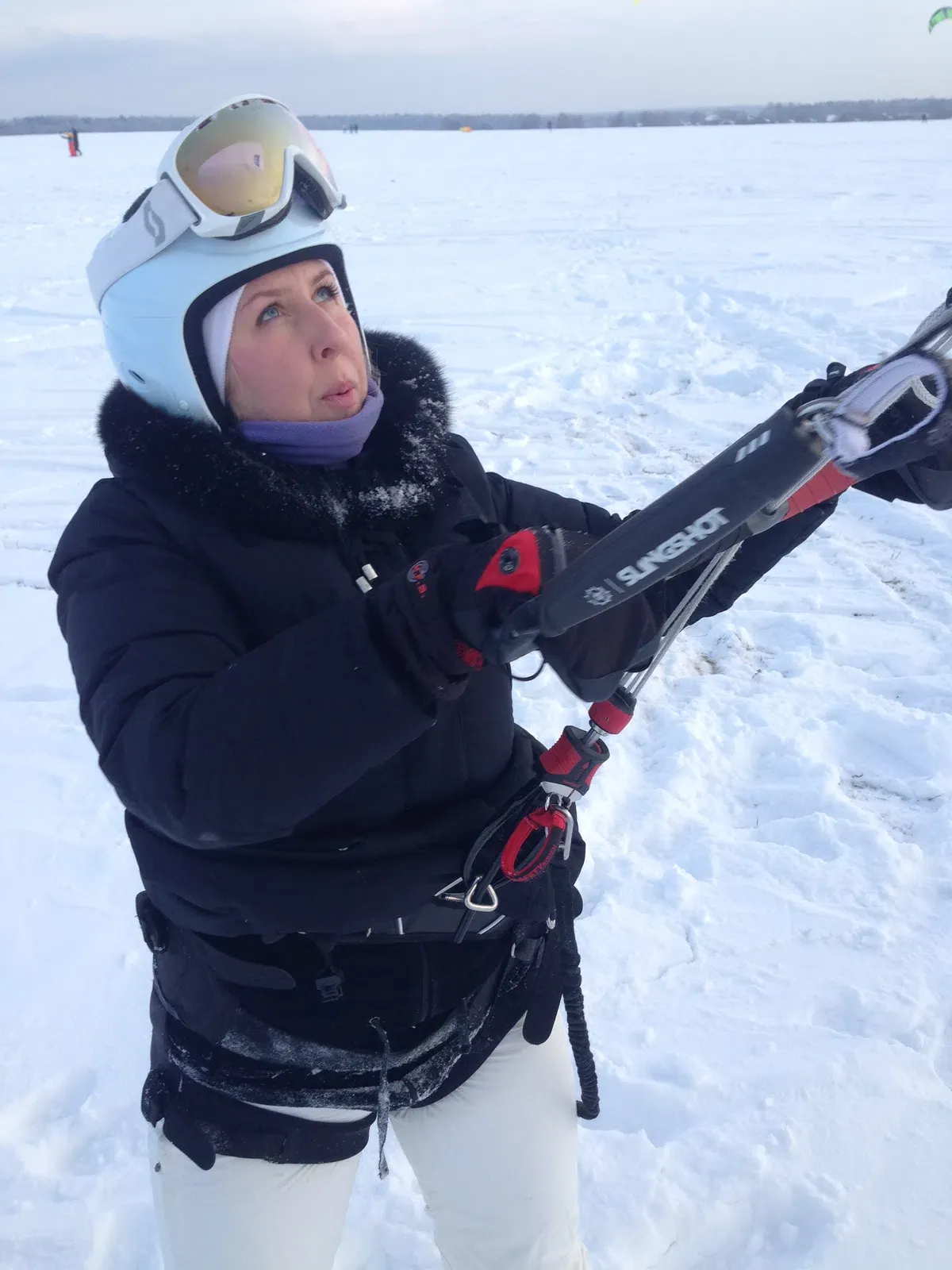
Getting ready for the snowkite season: equipment, ice and staying safe
What to check before the first winter session — kite and lines after a summer in storage, clothing that actually works at −15 °C, how to read ice on a frozen lake, and the safety rules that differ from riding on water.
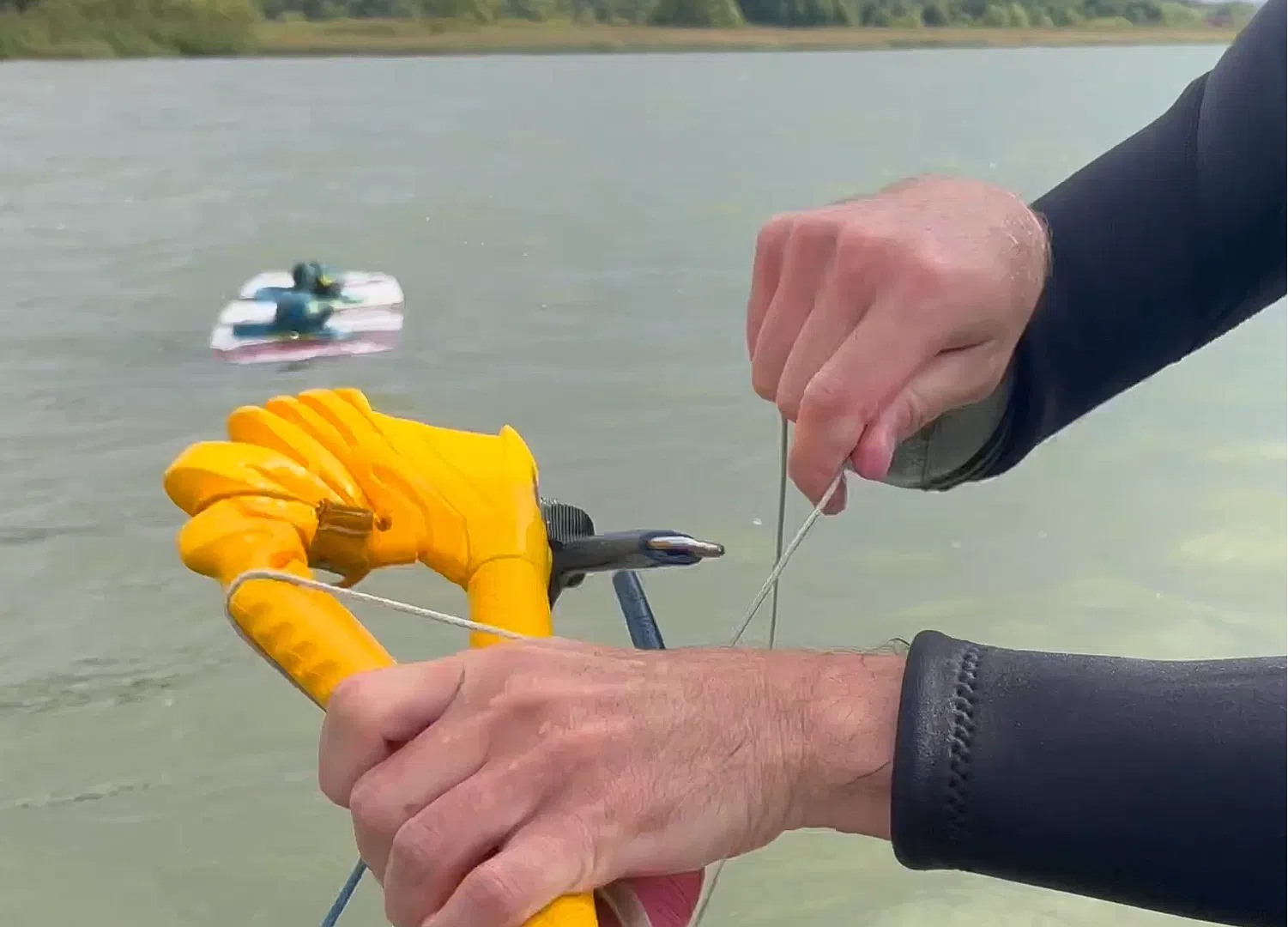
Self-rescue on a kite: seven steps that get you back to the beach
What to do when the wind dies, a line snaps or the kite will not relaunch and you are half a kilometre offshore. Seven steps of self-rescue, in the order an IKO instructor teaches them — and the one piece of equipment that decides whether the story ends well.
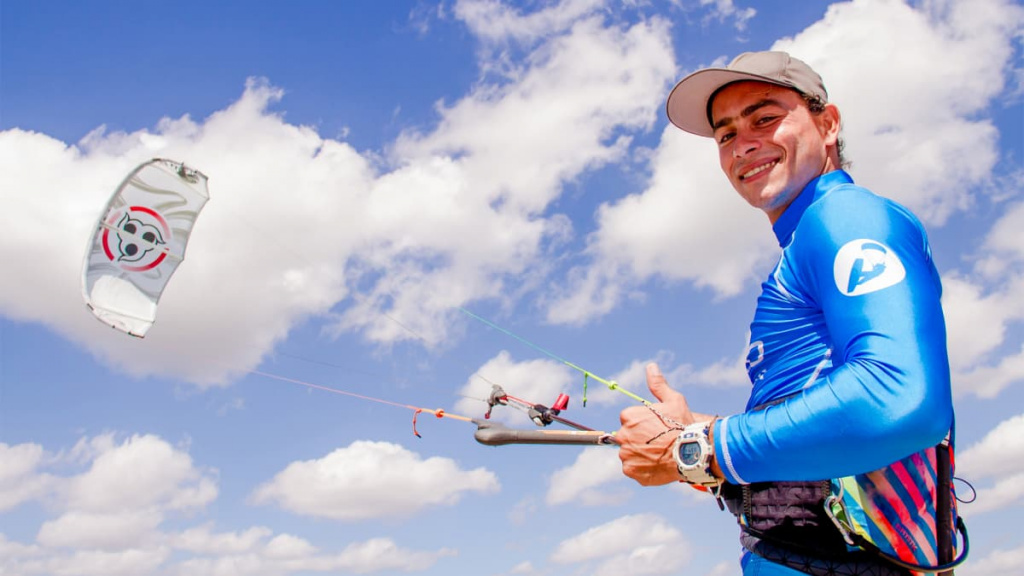
Why learn kitesurfing to IKO standards: what the certification actually means
IKO is the certification system behind most kite schools worldwide. What the levels contain, what an instructor is trained in, why the order of lessons matters more than the number, and the practical reason the student card matters after your course ends.
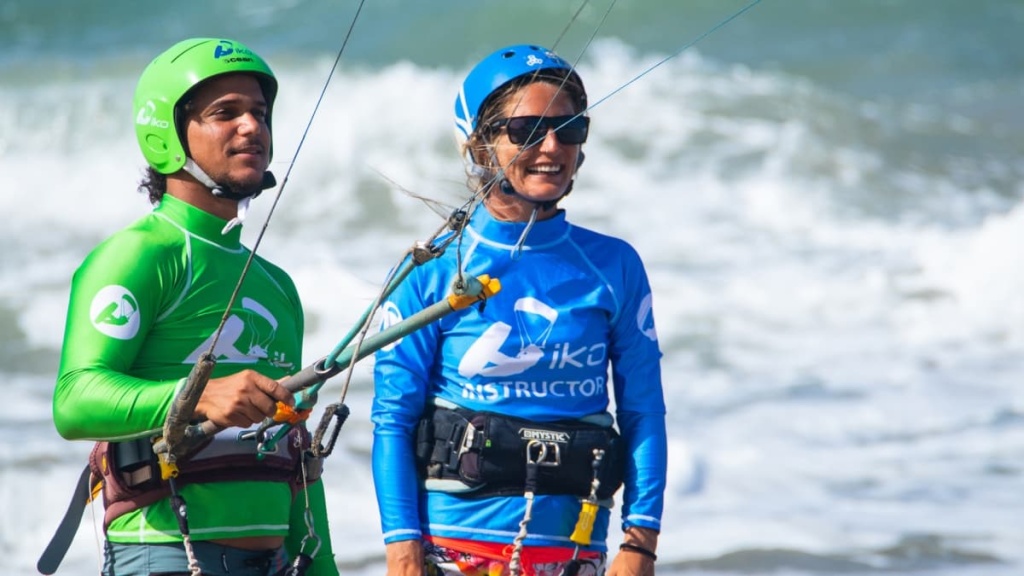
How to learn kitesurfing: the six steps, the real hours and the mistakes that cost a week
What actually happens between your first lesson and riding away on your own: the sequence instructors teach, how many hours each stage takes, what decides your speed of progress and the six mistakes that waste a trip.
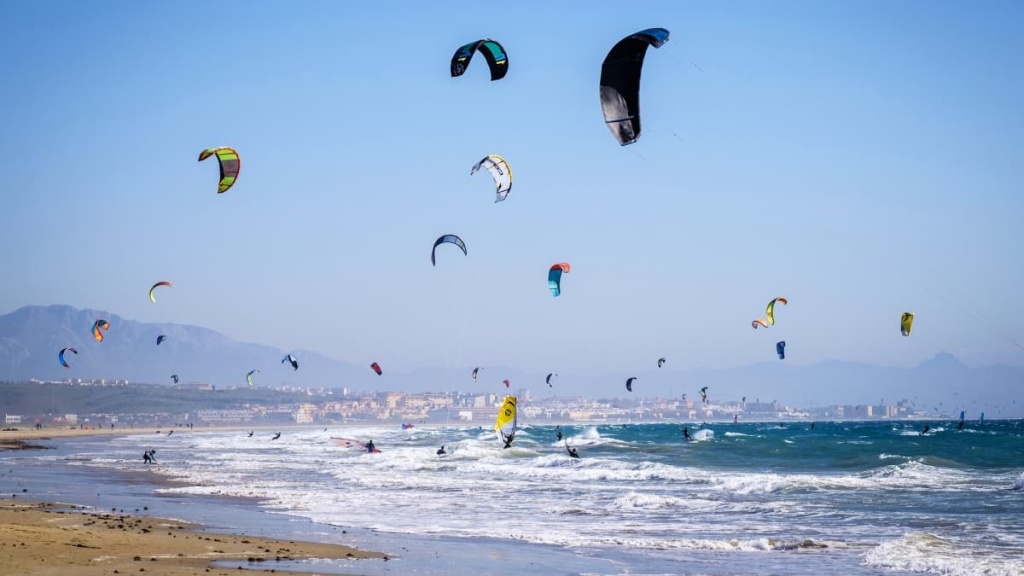
What is kitesurfing? A plain explanation of the sport, the gear and what it costs
How a kite, a bar and a board actually work together, what the wind window is, how long it takes to learn, what is genuinely dangerous and what a first year costs. Written by instructors rather than by a marketing department.
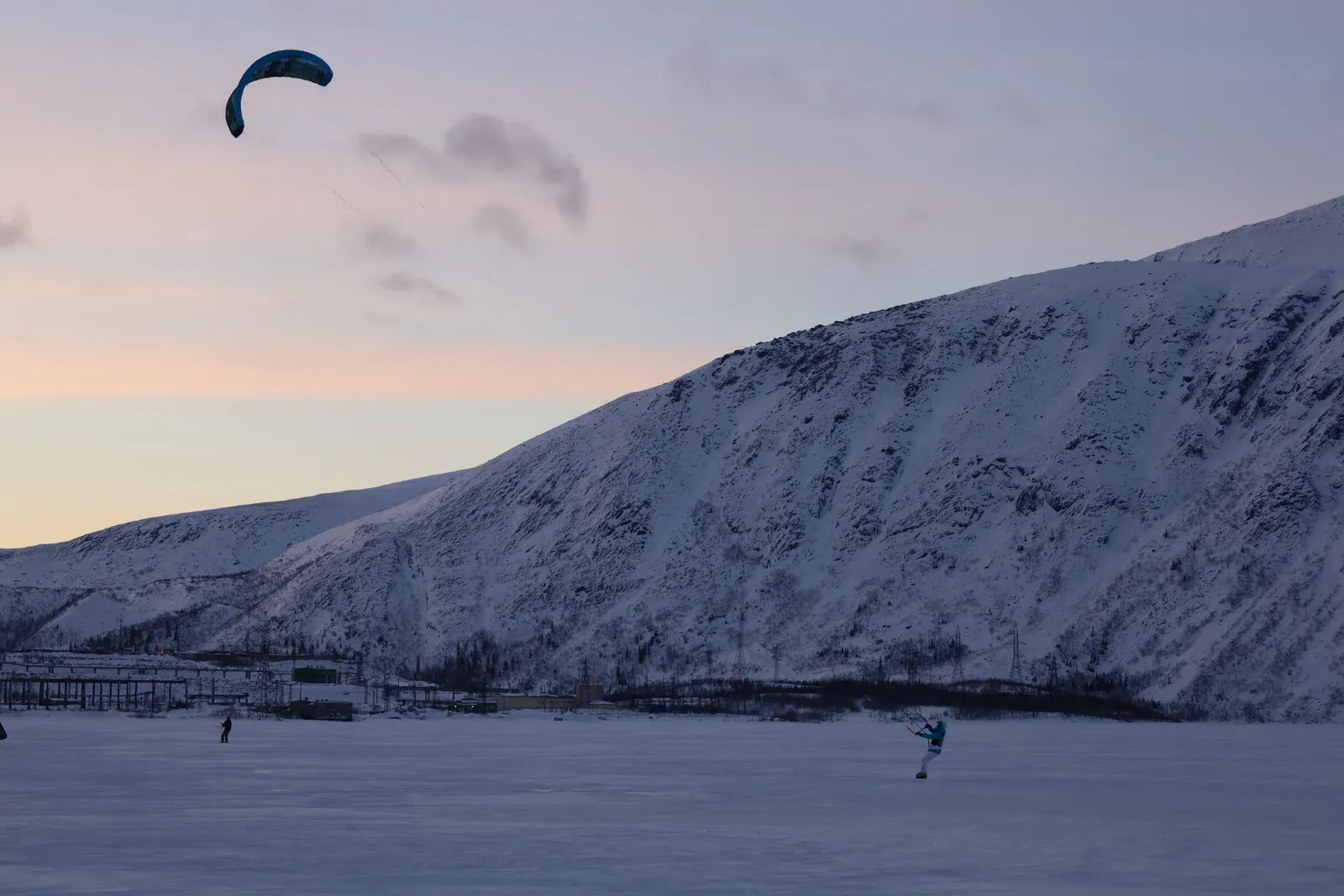
Teriberka: snowkiting in the Russian Arctic, on the shore of the Barents Sea
A village 150 km from Murmansk, above the Arctic Circle, where the tundra runs flat to the horizon and the sea keeps the frost bearable. What the conditions are really like, when to come and why experienced snowkiters keep going back.
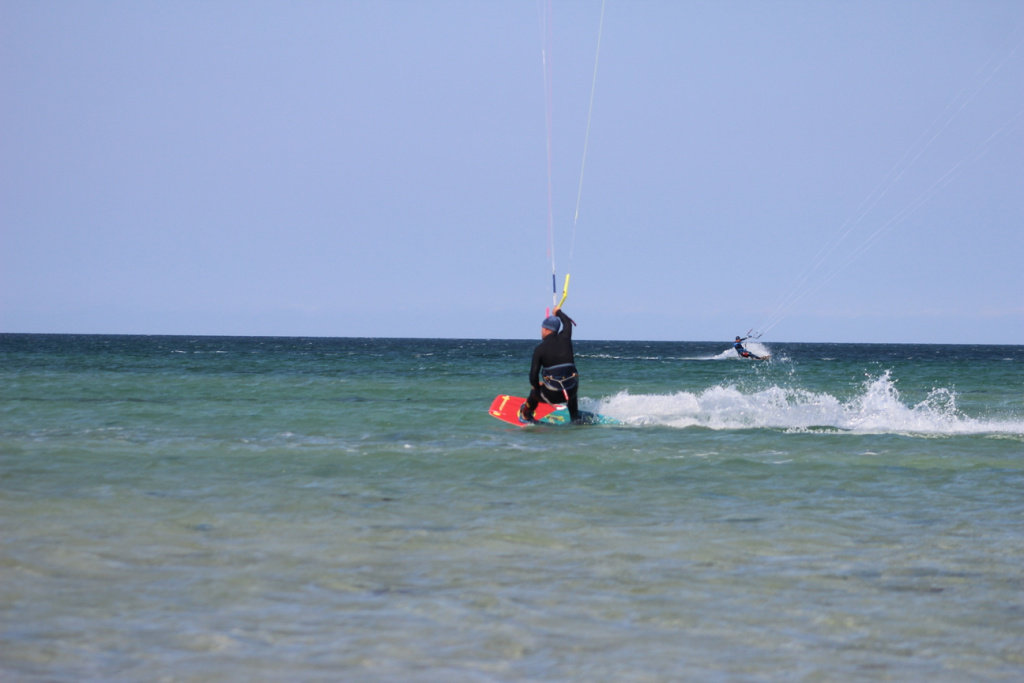
Where to learn kitesurfing: how to choose a school, a spot and a season
The place you learn decides how fast you learn. What makes a spot beginner-friendly, which questions separate a real school from a man with a kite, and how to plan a trip so the wind does not waste it.
Kitesurfing FAQ: the questions people actually ask before their first lesson
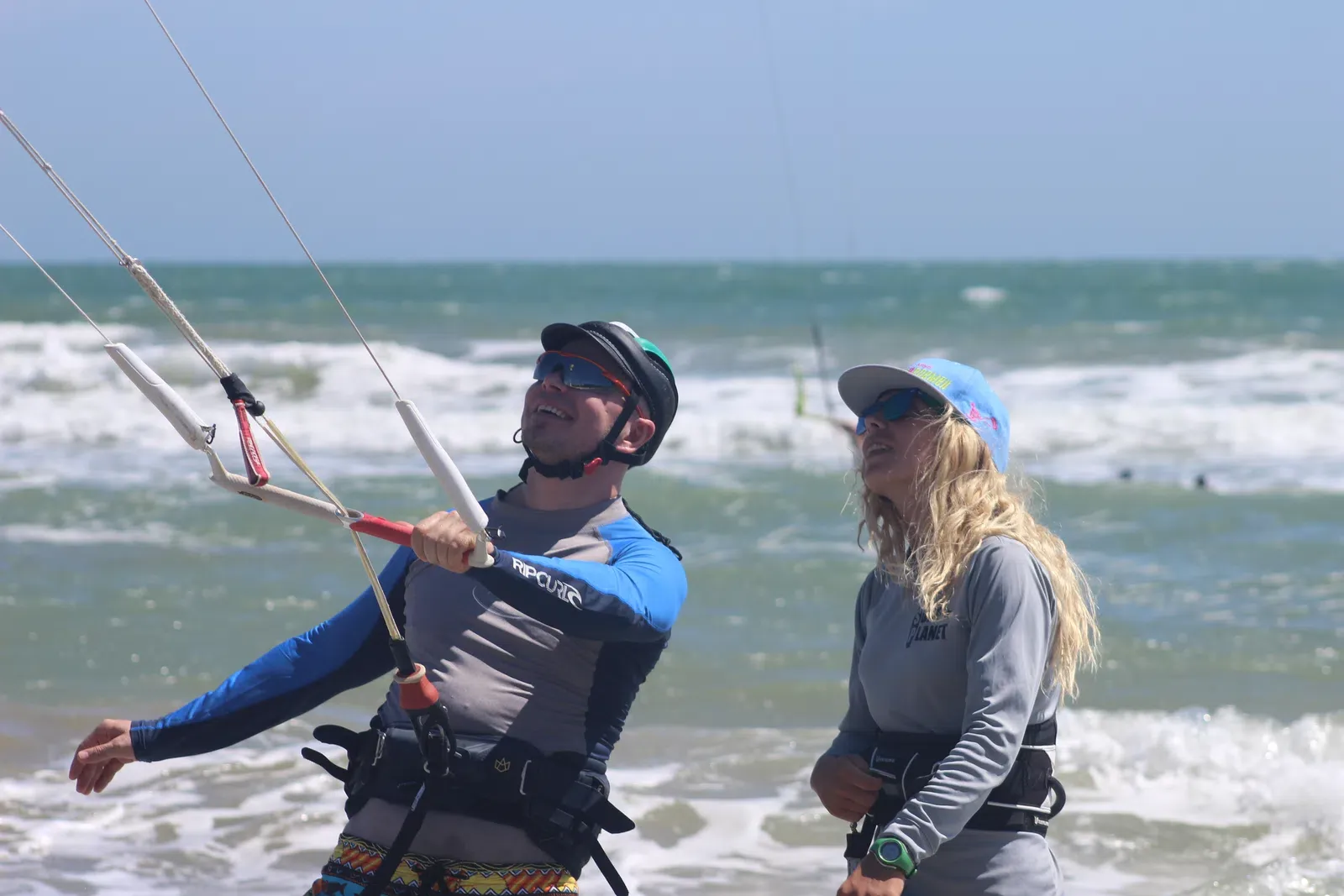
Is it hard? Is it dangerous? Do I need to be fit? How long does it take and what does it cost? Straight answers from instructors who hear these questions every day on the beach.
Kitesurfing Glossary: Every Term a Beginner Actually Needs
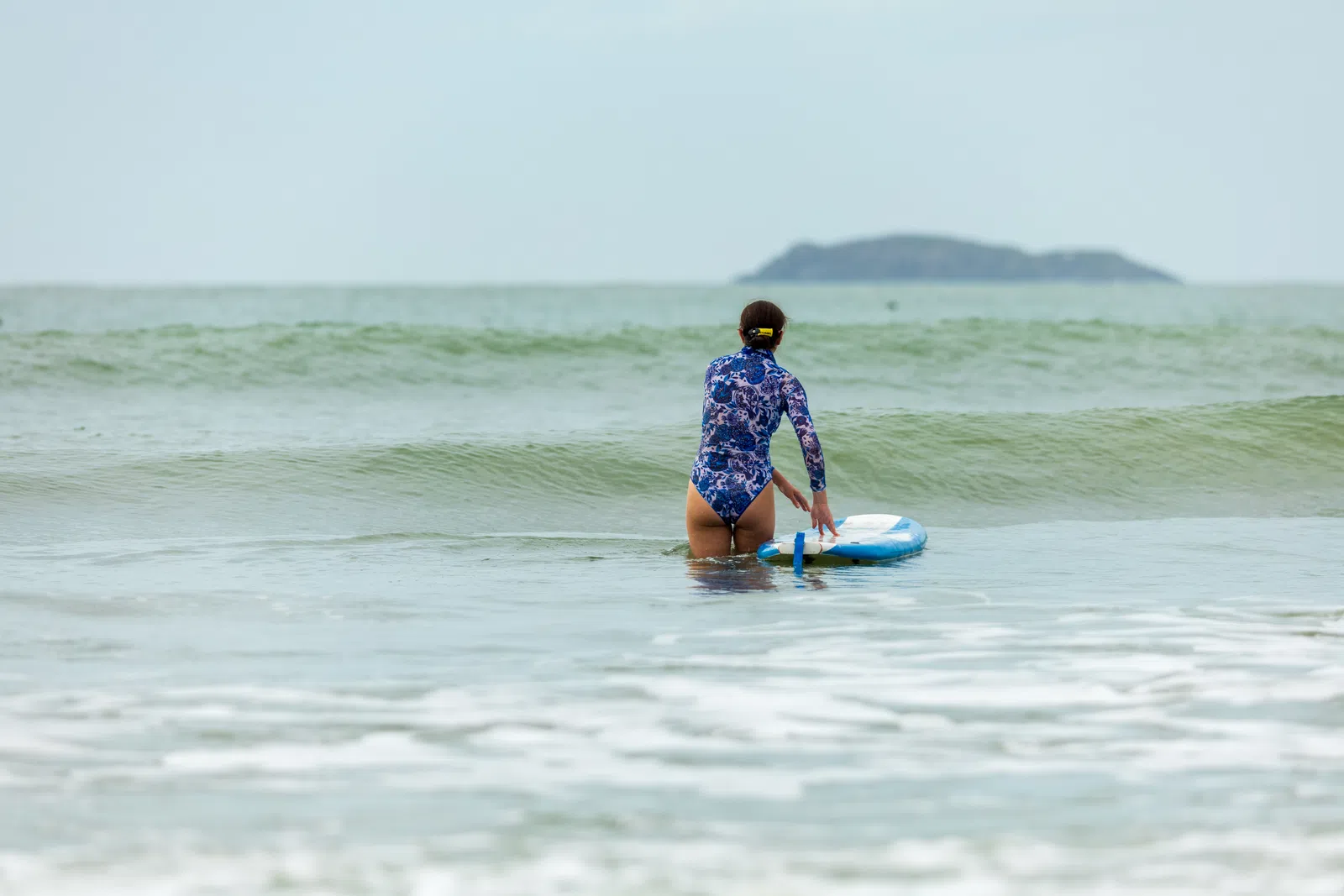
A plain-English kitesurfing glossary — wind window, depower, body drag, chicken loop and the rest. Grouped by topic so you can find what you heard on the beach.