How to Read a SUP Board Size: 10'8" x 33", Litres and What Matters
Three numbers — length, width and volume — decide whether you paddle or fall. What each one means and how to match a size to your weight and purpose.
![SLS, D/LAB, Ultra, TEC, [Q]Series: How to Read Kite Name Suffixes](/media/foto/vietnam/viet-sherepaha/img-7472.webp)
SLS, D/LAB, Ultra, TEC, [Q]Series: How to Read Kite Name Suffixes
Every brand has its own labelling and they all mean the same thing. Duotone, North, F-One, Naish, Ozone and Ensis suffixes in one table, and when the premium repays.

How a Bridle Works: What Holds a Kite's Shape and What Never to Touch
The bridle is the web of lines on a kite's leading edge that sets its angle of attack. What it does, how pulley and pulley-less systems differ, and why improvising here is dangerous.
A Wingfoiler's Glossary: 25 Terms Nobody Translates
Pumping, breach, touch-and-go, glide, carve, HA and LA, stab, fuselage, shim. Wingfoil jargon in plain language — so you follow what people say on the beach and in product listings.
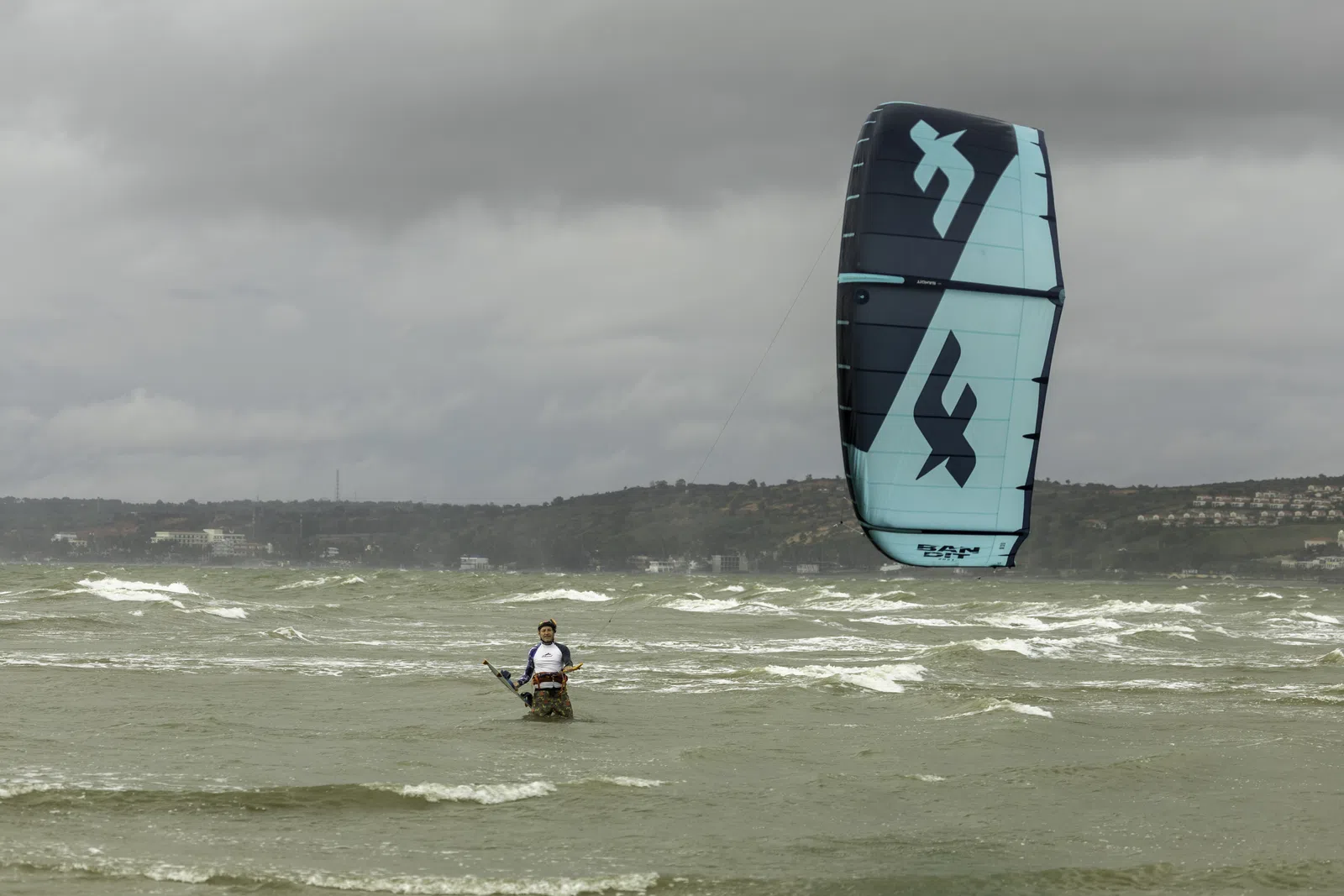
How to Choose Your First Wing: Size, Rider Weight, and the Absence of Depower
Wing sizing is stricter than kite sizing: being overpowered cannot be compensated. A table by weight and wind, boom versus handles, and three first-purchase mistakes.
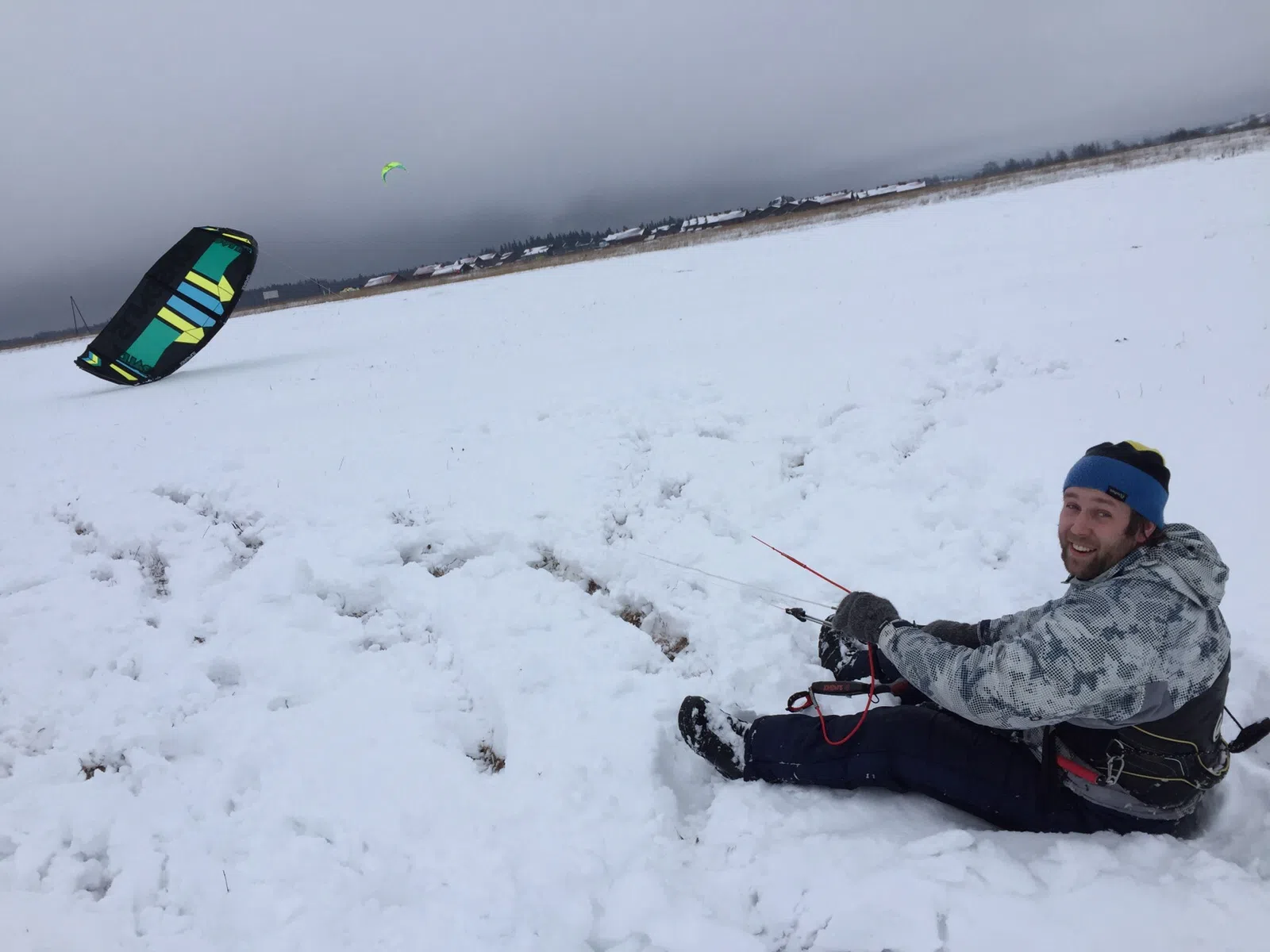
Five Lines vs Four: What the Fifth Line Is Actually For
Four lines is the water standard, five the mountain one. What the fifth line physically does, why it matters more on snow, and how it ties into the safety system.
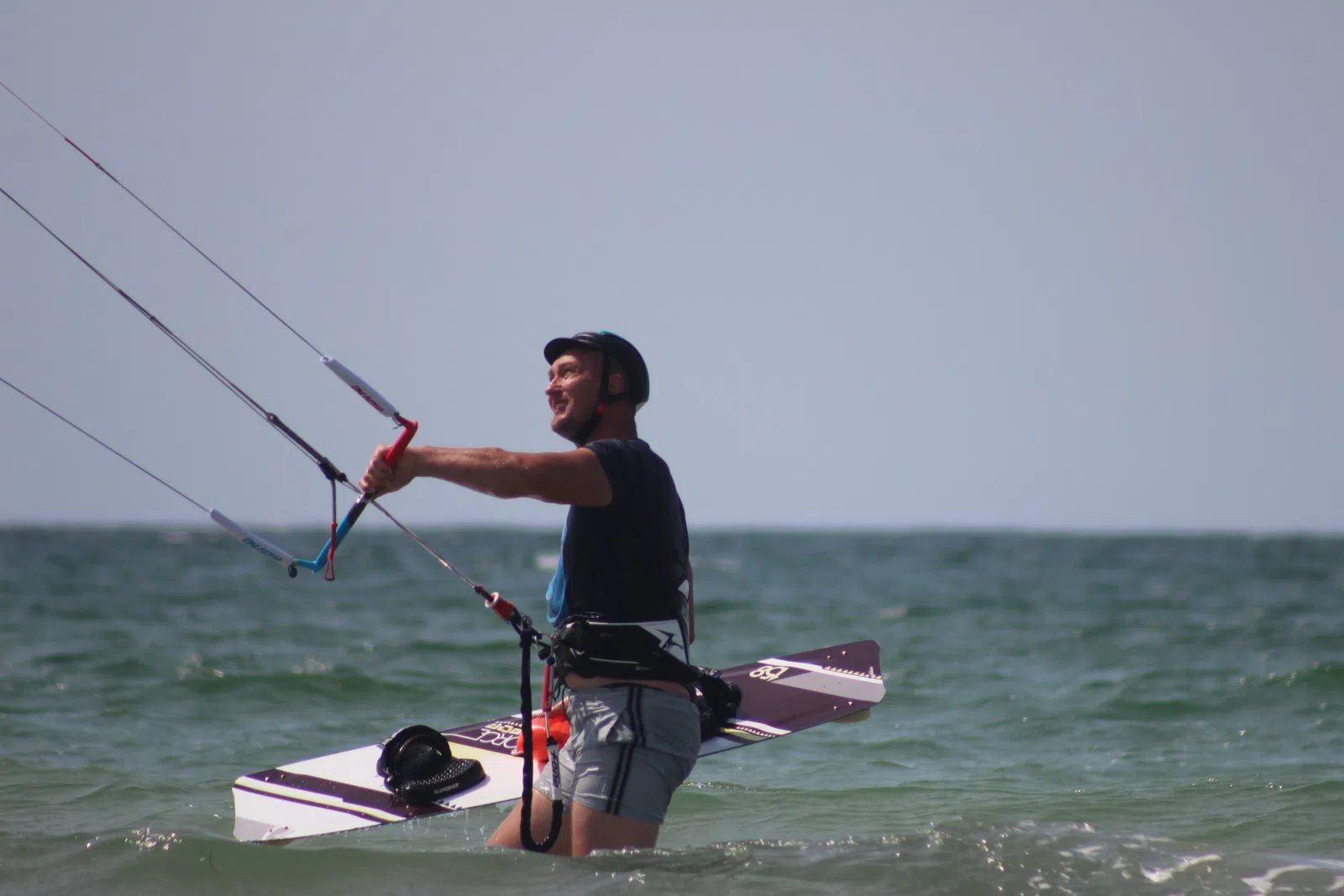
How to Choose Twintip Size: Weight, Wind and Three Beginner Mistakes
Length, width, rocker and stiffness — what each one actually changes. A size table by rider weight, plus the three mistakes that keep people on the wrong board for years.

What depower is and how to use it
Depower is what separates a kite from a toy: the ability to remove the pull at any moment. How it works, why every beginner pulls the bar the wrong way, and how depower, trim and safety fit together.
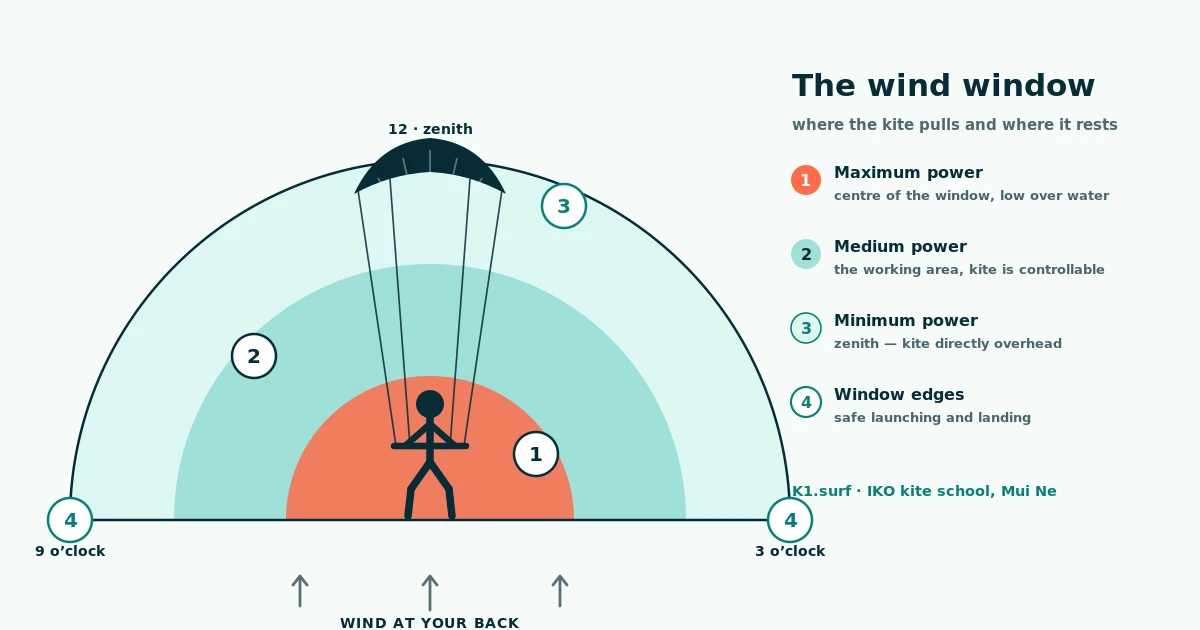
The Wind Window and Neutral Points: Kite Control Basics
The wind window in plain English: what it is, where the kite pulls hardest (the power zone), where it rests (neutral and the zenith), how to describe kite position on a clock face, and why it saves beginners on the water.
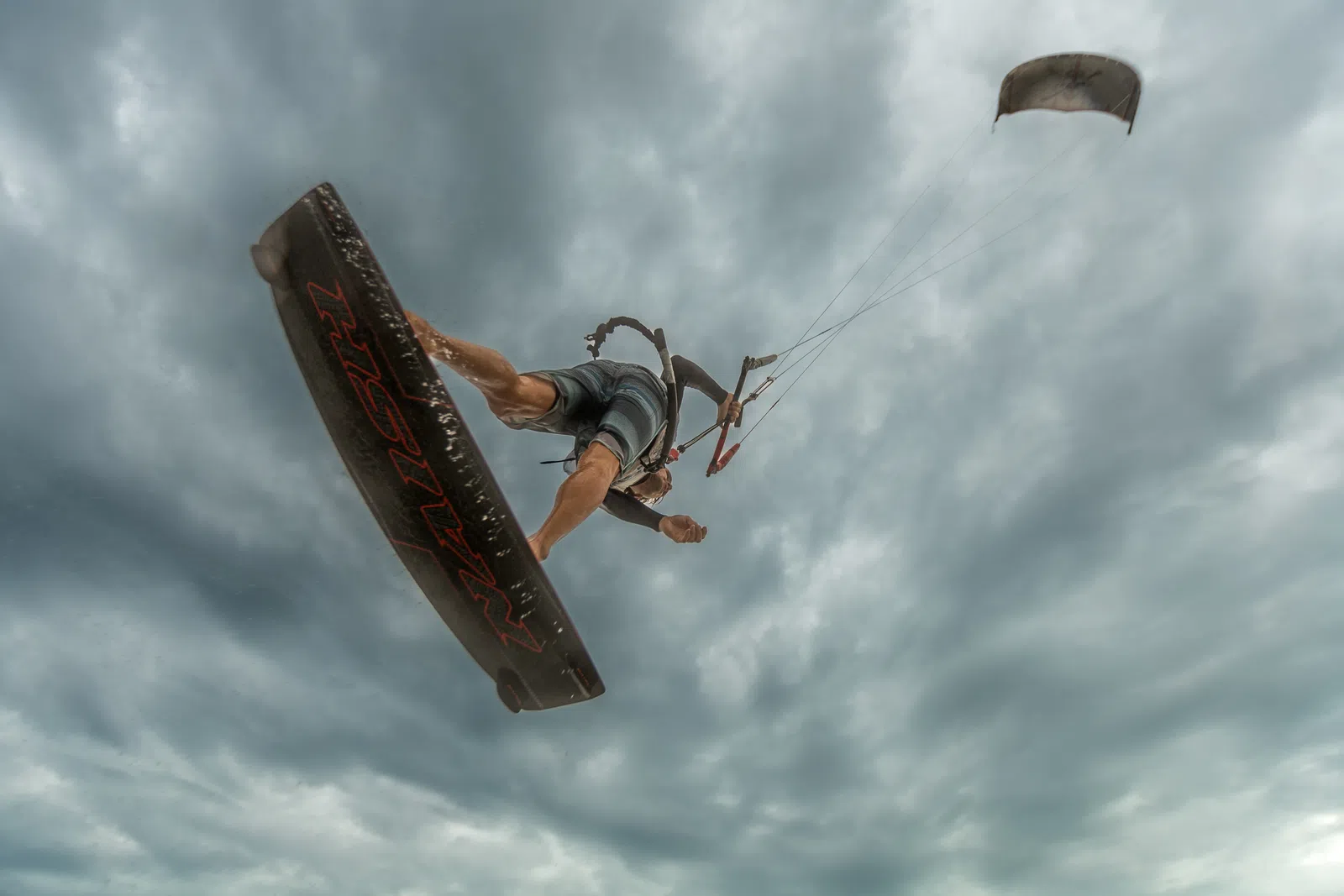
How a kitesurfing course is structured: what happens on each day
A day-by-day picture of a full course: what you do in hour one, when the board appears, what usually goes wrong on day three, and how the levels line up with real progress on the water.
How to Read a Wind Forecast for Kitesurfing: Windguru and Windy
Reading a wind forecast properly: what the knots ranges mean, why gusts matter as much as average wind, how GFS and ECMWF differ, and why offshore wind is dangerous.
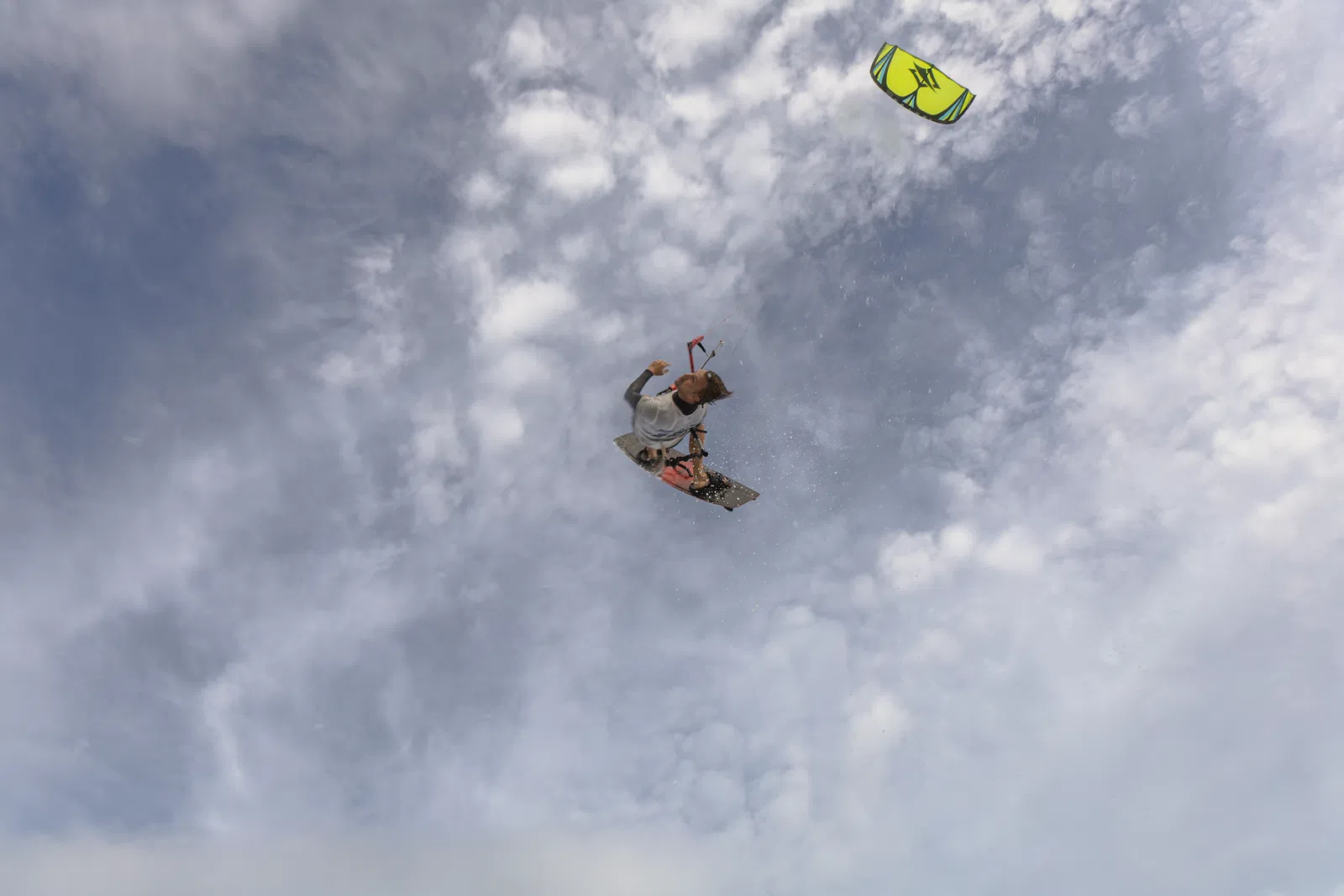
Kite Size by Weight and Wind: Chart and Practical Guide
How to pick a kite size for your weight and the wind: a working chart used by our school, why two kites cover a season in Mui Ne, and why bigger is not better for beginners.