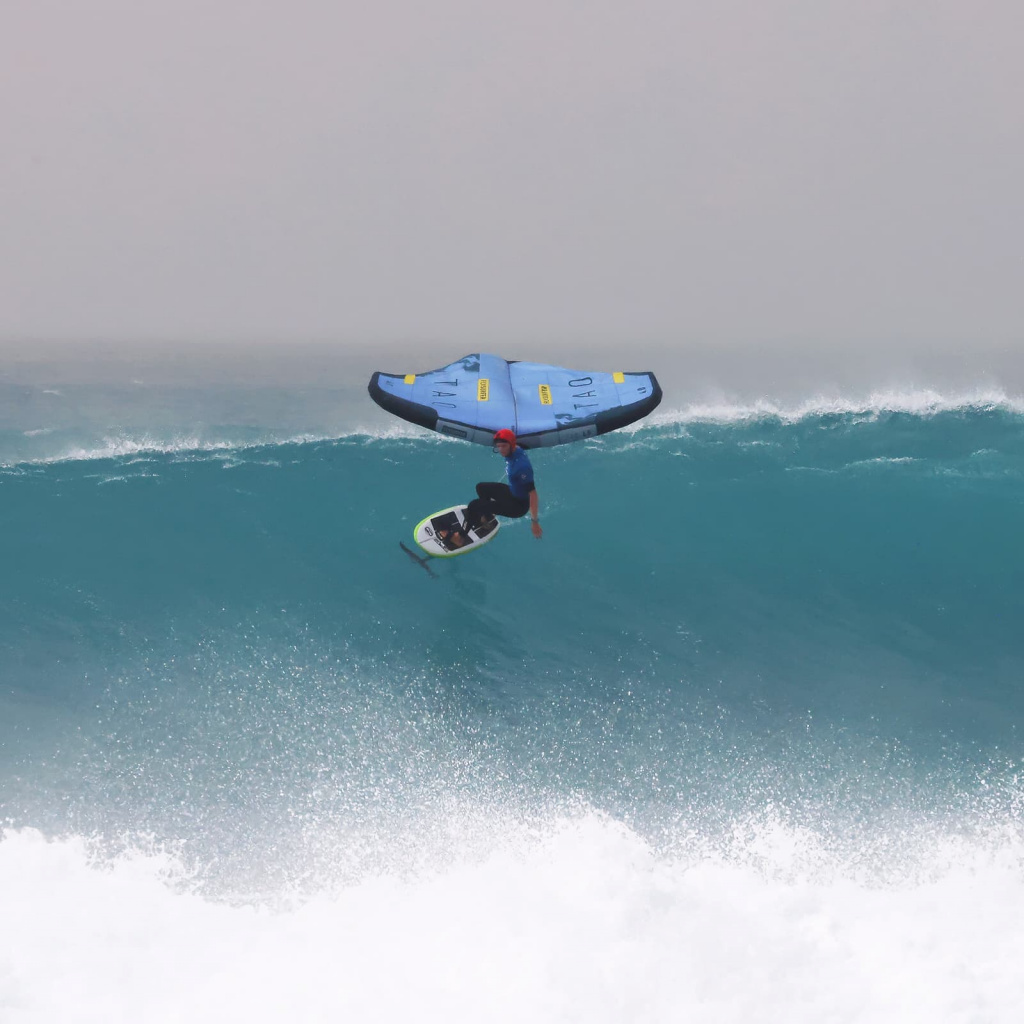
Ten years ago the beach was kites. Today a growing share of it is wings — a hand-held inflatable sail and a board on a hydrofoil. It is the fastest-growing water sport in the world right now, and there are practical reasons for that rather than fashion.
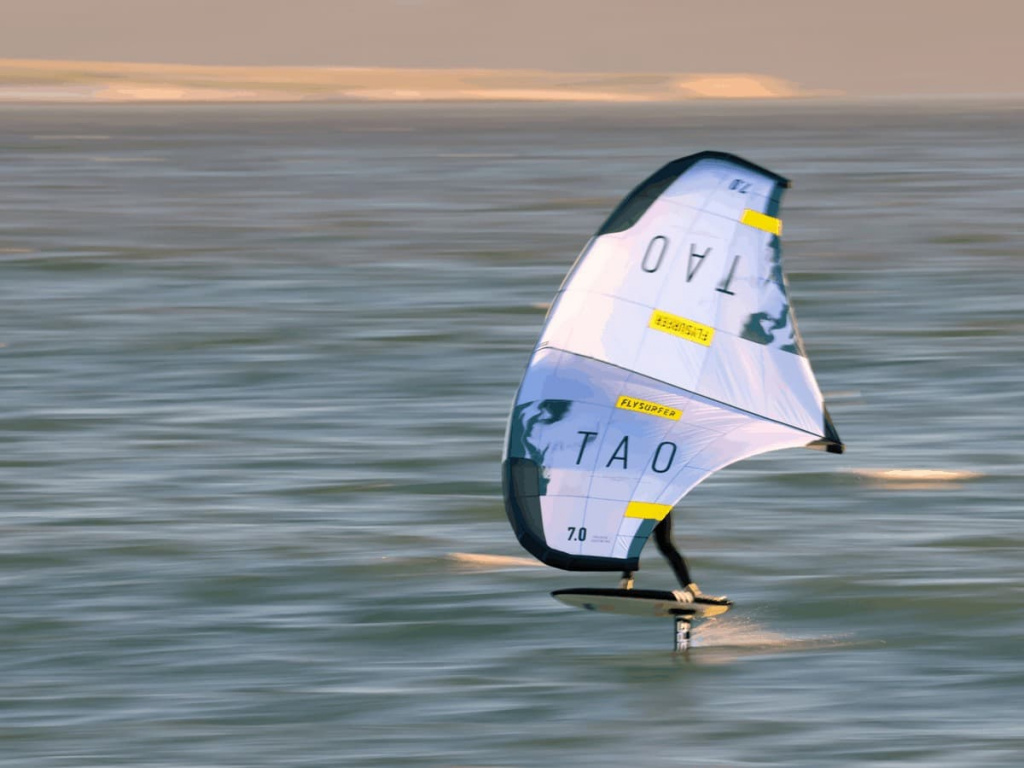
What a wing actually is
An inflatable wing you hold by handles or a boom, and a board with a hydrofoil under it. The wing gives you power; the foil lifts the board clear of the water once you are moving. Above about 12 knots you are flying silently a foot above the surface, which is the part everyone becomes addicted to.
Why people switch, or start here
Less space. A kite needs a corridor of clean air and a launch area. A wing needs a patch of water and one person — you.
Less wind. The foil carries you in conditions where a kite would sit on the beach. Days that used to be written off become sessions.
Nothing overhead. No lines, no kite falling on the crowd, no launch assistant. On a busy beach this matters more than it sounds.
It packs small. Wing, mast, fuselage, board — one bag, no bar and no line set to inspect.
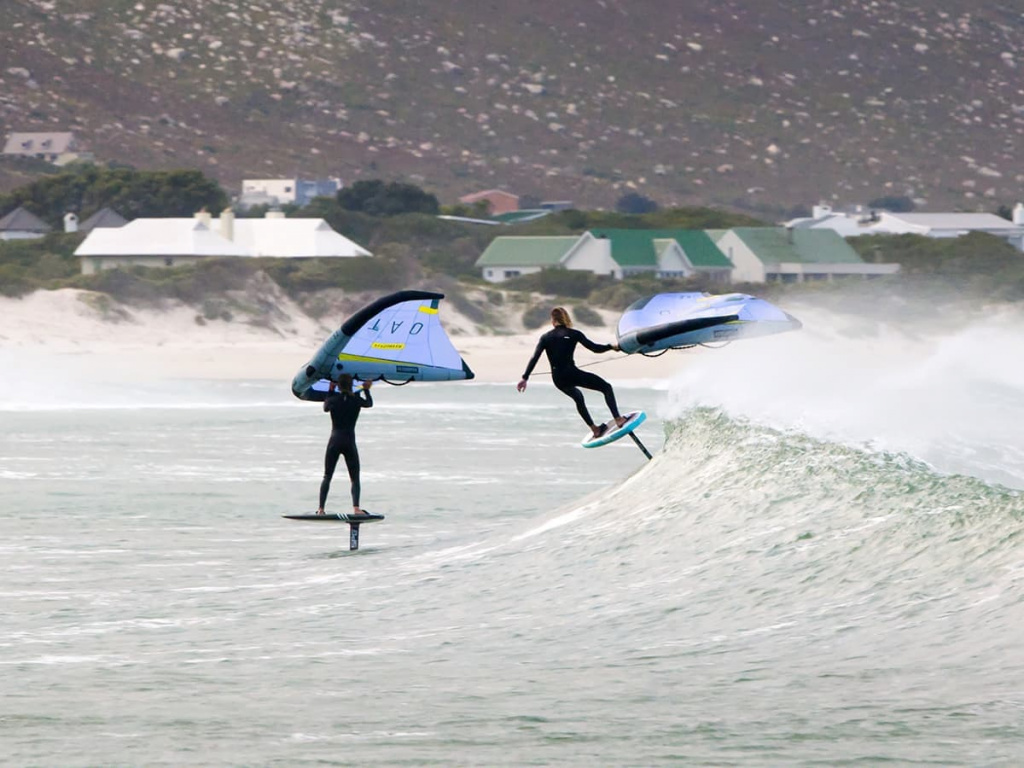
How hard is it
Honestly: the wing is easy and the foil is not. Handling the wing takes an hour or two. Learning to fly the foil without breaching or crashing takes several sessions — the foil is sensitive to weight shifts that a normal board would forgive.
Most people get up on the board on day one and start sustaining flight somewhere between hours four and eight. Existing kiters learn the wing faster but often struggle with the foil exactly as much as beginners do; the skills are not the same.
Why Mui Ne suits it
Shallow standing water for the first sessions, a sandy bottom that forgives dropping a foil, warm water, and a beach long enough to make mistakes on. In light-wind spells — the shoulder of the kite season — a wing is often the only thing moving on the bay.
Getting started
Take a lesson rather than teaching yourself. A foil mast is a metre of carbon with a sharp edge, and the first hours are where people hurt themselves. We run a wingfoil course with the same structure as our kite courses, and wing-and-foil rental costs
20 € per hour once you can ride.If you are choosing between kite and wing for a first trip, write to us and describe your dates and your goals — the honest answer depends on both.
Want advice from an instructor?
Our IKO instructors will help you choose gear or plan a kite trip to Mui Ne — free of charge.
Read next
Starboard came out of windsurfing and became the leading name in SUP. The range: inflatable and hard boards, p…
Inflatable SUP vs Hard Board: What to Choose and the Real DifferenceAn inflatable fits in a boot; a hard board goes faster. Eight differences you feel on the water, and when payi…
How to Read a SUP Board Size: 10'8" x 33", Litres and What MattersThree numbers — length, width and volume — decide whether you paddle or fall. What each one means and how to m…