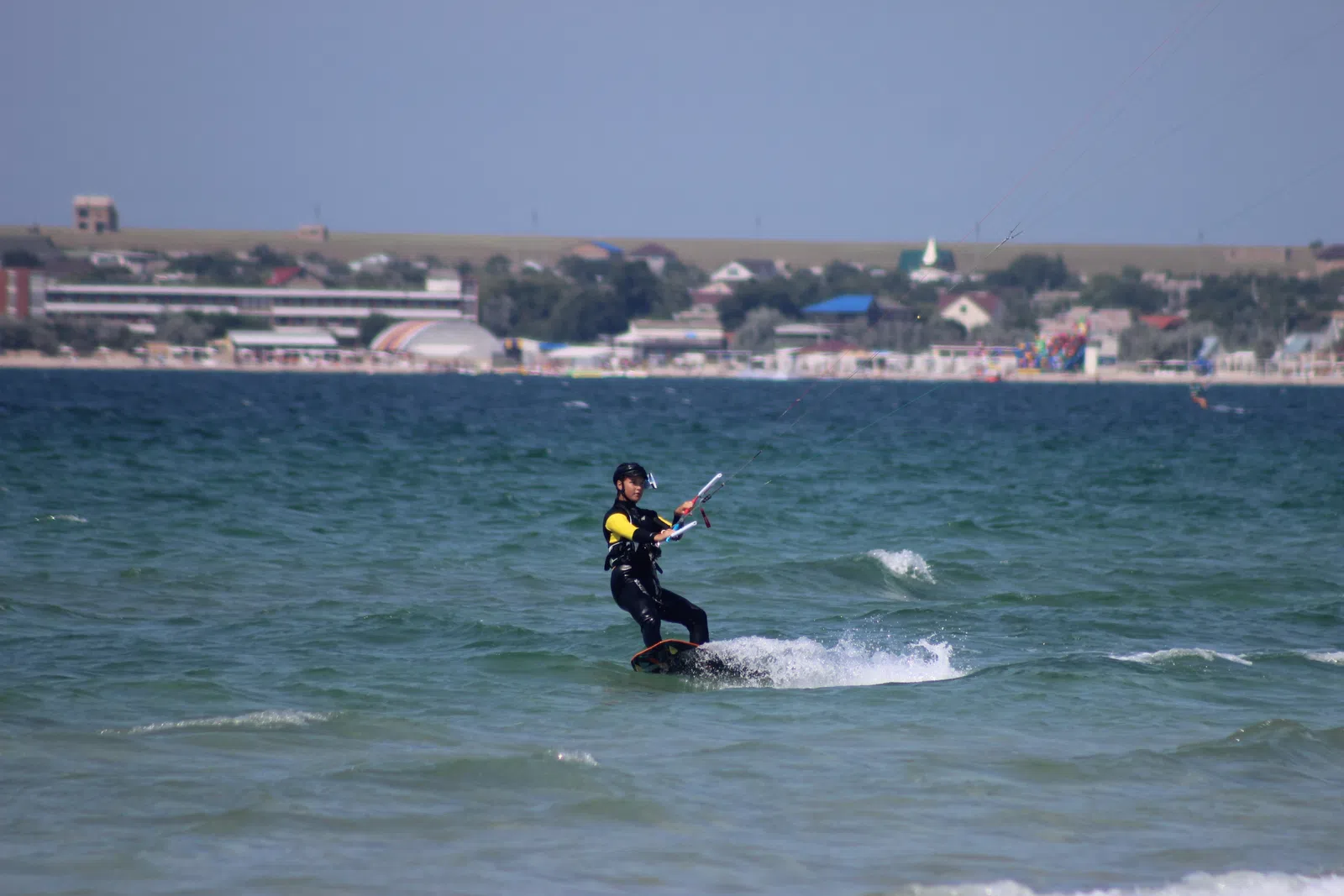
A question we get every spring. Here is the answer point by point — with prices and an honest split between "must" and "later".
The first decision: buy or rent
Counted honestly, because everything else follows.
Renting makes sense if: you are going once, have no storage at home, or do not yet know what you will actually do.
Buying makes sense if: you go to the water every year, have a summer house or river nearby, or the family is larger than two — renting for four repays a purchase in one trip.
The middle option people forget: buy what is fitted to a person and weighs little, and rent the bulky items. Wetsuit, rash guard, shoes — yours; board — rented.
What you always need, whatever the discipline
1. Sun protection. A long-sleeved UPF 50+ rash guard each. In the tropics it is not optional — why.
2. Vests for children. Always, whether or not the child swims.
3. Reef boots, if the bottom is rocky. A coral cut heals over weeks and ruins a holiday more reliably than any weather.
4. Floating sunglasses —
4 €. A small item that saves a two-hundred-euro pair.5. A dry bag for phone and documents.
6. A first aid kit. Specifically: burn treatment, plasters that stick to wet skin, something for jellyfish.
Scenario 1: relaxed days, all ages
What to take:
- One large SUP from 11 feet — an adult plus a child fit on it. A GONG Pack First from
The key idea: buy the widest board you can find. Stability decides whether someone enjoys their first session — and width delivers stability more than length does.
Scenario 2: someone wants to learn kiting or winging
Do not buy equipment before lessons. The single most money-saving piece of advice here.
Why: after three lessons you will know your size, your level and — crucially — whether you enjoyed it at all. Before lessons you know none of that, and the odds of buying the wrong thing approach certainty.
What you can buy in advance: a rash guard, shoes, a helmet. Those are fitted to you and useful regardless.
What to buy after: kite, board, harness. The full breakdown is in our honest cost of entering kitesurfing.
Scenario 3: a coast with waves, wanting to try surfing
A softboard is the only sensible starting option: safer, more voluminous and cheaper. A Catch Surf Easy Rider 9'0" at
416 €.For children — a 6 to 7 foot softboard and nothing else.
A leash is mandatory — from
32 €. A loose board in the impact zone endangers everyone.Softboard versus hard board — covered here.
Where you cannot economise
On children's vests. Not up for discussion.
On sun protection. A burned back on day one costs three days out of fourteen.
On lessons. Two sessions with an instructor save a week of solo attempts and remove half the risk.
On shoes, if the bottom is coral.
On a pressure gauge. Inflating by feel is the main source of disappointment with inflatable boards.
Where you can
On board class. For two weeks on calm water a budget board performs as well as a premium one — why.
On the paddle. A first paddle can be basic; upgrading matters once you start covering distance.
On a wetsuit in the tropics. At 28-degree water a rash guard is enough.
On quantity. One board per family works if you do not all go out at once.
A buying order that works
- Protection: rash guards, vests, shoes, sunglasses.
- A lesson if a discipline is planned.
- One board — the most versatile and widest.
- Hardware: pump with gauge, leashes, dry bag.
- And only next summer — a second board or an upgrade, knowing what you need.
What to keep in the bag every session
- Water. Dehydration on the water creeps up unnoticed.
- Sunscreen — reapplied before going out.
- A phone in a dry pouch.
- A repair kit for an inflatable board.
- A multitool for fin screws.
Common questions
Buy equipment or rent it?
Rent if you are going once and do not know what you will do. Buy if you go every year or the family is larger than two.
What should I buy before kite lessons?
Only what is fitted to you: rash guard, shoes, helmet. Kite and board after lessons, once you know your size.
Which SUP for a family?
The widest available, from 11 feet: width delivers stability more than length.
Do I need a wetsuit in the tropics?
Usually not; at 28-degree water a rash guard suffices. A top is worn against harness chafe and jellyfish.
Where can I definitely not economise?
Children's vests, sun protection, lessons, and shoes on a coral bottom.
Where to start
Lessons in Mui Ne for the whole family, equipment rental, and inflatable SUP from
99 €.Try kitesurfing in Mui Ne
A trial hour with an IKO instructor is €55, all gear included. Then a course to independent riding or a December kite camp.
Read next
59 items: boards, kayaks, platforms, vests and apparel. A brand built around recreation rather than sport — an…
Aquatone Kayaks and Platforms: When a SUP Is Not the Only OptionInflatable kayaks for one, two or three, a SUP-kayak hybrid, and floating platforms up to twenty feet. A branc…
A SUP at 200 and at 1,400 Euros: What Differs on the WaterA sevenfold price gap between outwardly similar boards. What actually changes, point by point, and the three c…